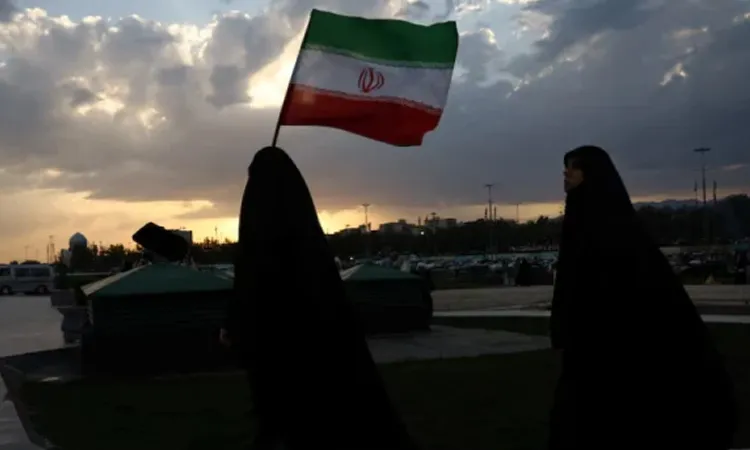
US President Donald Trump and Iranian President Masoud Pezeshkian have signed an interim agreement aimed at ending hostilities between their countries, according to statements released on Wednesday. However, Trump warned that military action could resume if Iran fails to comply with the deal's terms.
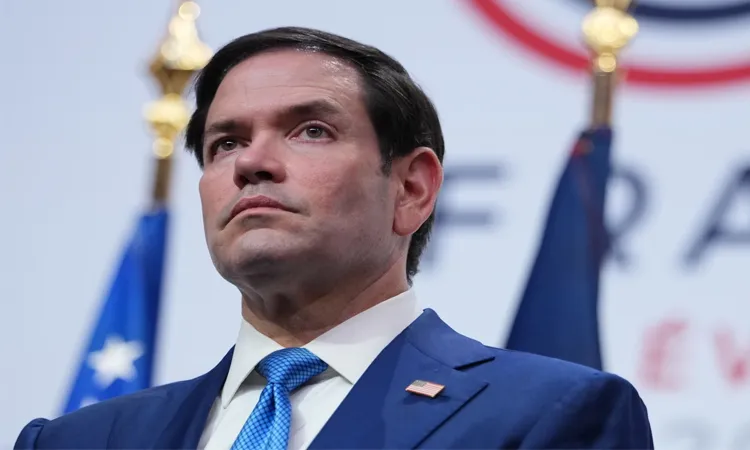
Speaking during the G7 summit in France, Trump said the United States would respond forcefully to any violation of the agreement.
"We're going to bomb the hell out of them if they violate the agreement," Trump told reporters, while expressing hope that the accord would lead to long-term peace in the Middle East and help lower global oil prices.
Trump also appeared to soften his previous position on Iran's ballistic missile program. While he had earlier pledged to eliminate Iran's missile capabilities, he later said it would be "unfair" for Iran to be denied missiles if other countries possess them.
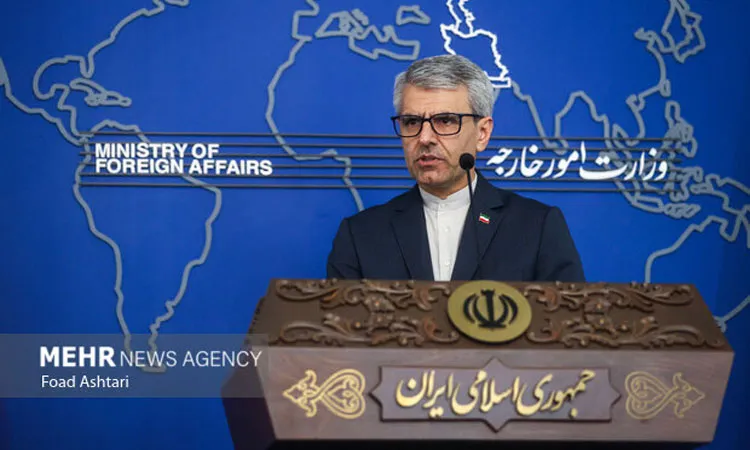
Iranian officials did not directly respond to Trump's latest remarks. Instead, they highlighted the agreement as a diplomatic achievement. Iranian negotiator Mohammad Baqer Qalibaf said the deal had secured through negotiations what military action could not.
The 14-point memorandum extends an existing ceasefire for another 60 days, allowing both sides to negotiate a permanent settlement. According to officials, the agreement includes provisions related to sanctions relief, the unfreezing of Iranian assets, maritime access through the Strait of Hormuz and reconstruction funding.
The deal also includes Iranian commitments regarding its nuclear program. Tehran agreed to international supervision of its enriched uranium stockpile and reiterated that it does not seek to develop nuclear weapons.
Despite the agreement, significant differences remain. Iran's political system remains unchanged, its missile program continues and its regional alliances, including support for Hezbollah, have not been addressed directly in the memorandum.
Oil prices initially fell on expectations that shipping through the Strait of Hormuz would return to normal, although prices later recovered after Trump's renewed threats of military action.
G7 leaders welcomed the agreement, describing it as a positive step toward reducing tensions in the Middle East. However, uncertainty remains over the implementation of the deal and whether negotiations can produce a lasting peace agreement.
Trump also commented on Israeli Prime Minister Benjamin Netanyahu's military approach in Lebanon, urging restraint and suggesting a less aggressive response to Hezbollah activity.
Meanwhile, reports indicated that hostilities continued in parts of southern Lebanon despite ceasefire efforts, underscoring the challenges facing regional peace initiatives.