The United States and Iran are preparing to sign a 60-day memorandum of understanding (MoU) this Friday, June 19 to extend a tenuous ceasefire and pave the way for a permanent end to the war that began in late February.
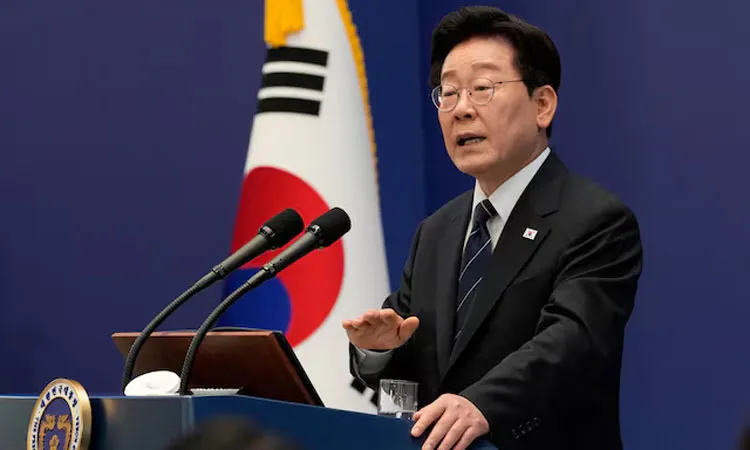
The agreement, scheduled to be formalized at the Bürgenstock resort in Switzerland, was mediated heavily by Pakistan and Qatar. The framework establishes a two-month window to negotiate a permanent truce while immediately addressing critical global supply chain bottlenecks and domestic economic pressures.
The Deal on the Table
The interim agreement focuses on immediate economic relief and de-escalation, explicitly sidelining more intractable issues like Iran’s ballistic missile program and its support for regional militias. US Commitments are end the naval blockade of Iranian ports, authorize immediate Iranian oil and fuel sales and will restore banking, transport and insurance services of Iran. Accordingly, Iranian Commitments are reopening the Strait of Hormuz to global shipping, Prevent the development of nuclear weapons and will coordinate maritime traffic de-escalation.
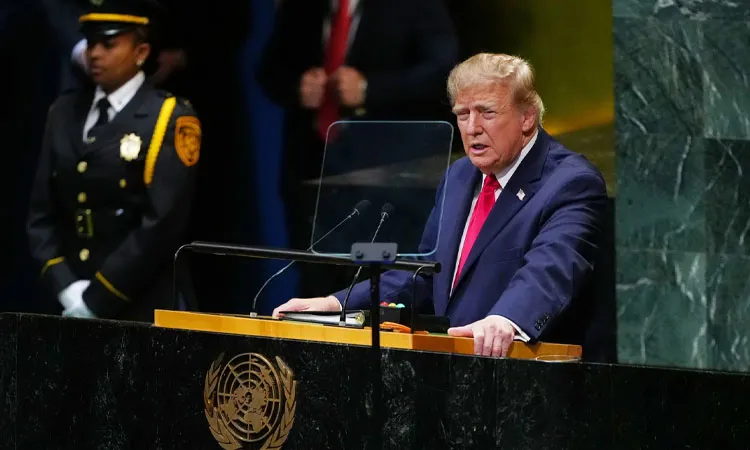
U.S. President Donald Trump has stated the agreement acts as "a wall to a nuclear weapon" for Tehran. In exchange, the immediate lifting of the blockade allows Iran to re-enter the global energy market, a critical lifeline for its heavily sanctioned economy.
The $300 Billion Reconstruction Fund
A central pillar of the long-term negotiation strategy is a proposed $300 billion "Reconstruction and Development Fund." Designed to incentivize a final peace treaty, this mechanism will only become operational if a permanent agreement is signed.
Entirely private capital. No government grants or public funds are involved. Commitments have already been secured from corporations in the U.S., South Korea, Japan, Singapore, Malaysia and Gulf Arab states.
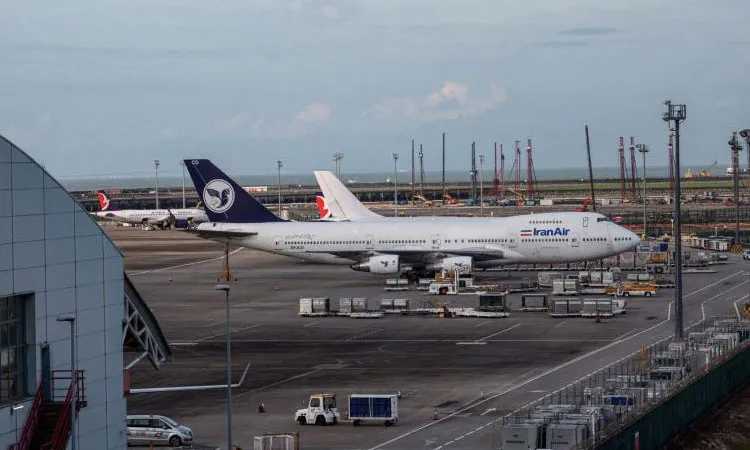
The fund will finance the rebuilding of war-damaged infrastructure including the Mobarakeh Steel complex, refineries and airports while expanding into energy, manufacturing, and logistics.
While operational details remain under negotiation, the 60-day MoU period will be used by fund administrators and Iranian officials to scope and plan specific regional projects.
This investment track remains entirely separate from parallel negotiations regarding the unfreezing of Iranian sovereign assets abroad.
Regional Friction and the Hezbollah Factor
While the U.S. and Iran move toward stabilization, broader regional conflicts threaten the peace process. The war, which has claimed over 7,000 lives predominantly in Iran and Lebanon, remains active on secondary fronts.
Israel, which launched the initial February 28 strikes alongside U.S. forces, has distanced itself from the current negotiations. Israeli Prime Minister Benjamin Netanyahu confirmed that Israel is not bound by the US-Iran ceasefire and currently refuses to withdraw forces from southern Lebanon.
In response, Iran’s Khatam al-Anbiya Central Headquarters has threatened severe retaliation if Israeli strikes in Lebanon continue. A Hezbollah spokesperson explicitly warned that Iran would likely reject any permanent truce that leaves southern Lebanon under Israeli occupation, contradicting claims by U.S. Vice President JD Vance that the agreement adequately covers both Israel and Lebanon.
Global Economic Impact
The prospect of a reopened Strait of Hormuz—a crucial artery that handles roughly 20% of global oil and liquefied natural gas (LNG) trade—has triggered immediate market reactions. Following news of the deal, oil prices tumbled nearly 5% on Monday, sliding an additional 2% by Tuesday to reach new three-month lows.
Under the framework, the U.S. expects the Strait to operate toll-free for the next 60 days. However, Iranian state television indicated that vessels must still coordinate transit with Iran's Revolutionary Guards and major global shipping firms have signaled they will wait for tangible proof of safety before resuming normal operations. Industry experts project it will take several months for Middle Eastern oil and gas output to fully recover to pre-war levels.