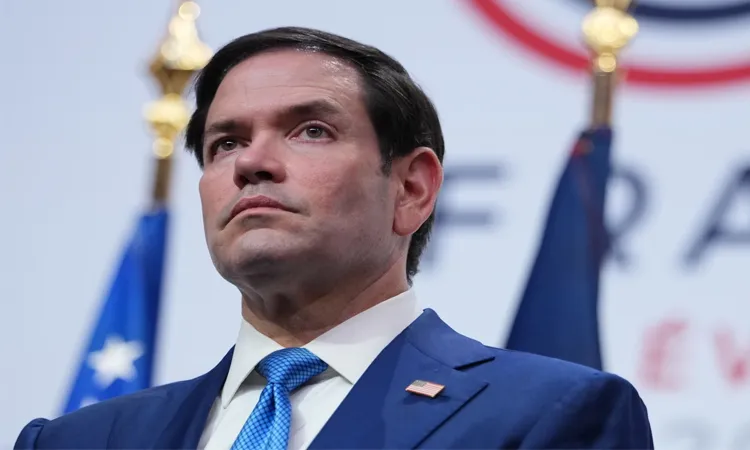
US Secretary of State Marco Rubio is touring the Gulf to reassure allies about the fragile 60-day US-Iran ceasefire agreement. Visiting the UAE, Kuwait, and Bahrain, Rubio delivered a firm message: the Strait of Hormuz must remain a toll-free international waterway. This directly counters Iran’s suggestion that it has the right to charge shipping fees in the critical maritime route.
The recent ceasefire has left Gulf nations divided and anxious. Regional allies fear that unfreezing billions of dollars in Iranian assets could fund Tehran’s military rather than humanitarian needs. While US officials assert the released funds are strictly controlled to purchase food and medicine, Iran insists it will spend the money as it sees fit based on market needs.

Further complicating the peace efforts are disputes over nuclear oversight. The US claimed Iran agreed to allow UN inspectors back to monitor its nuclear facilities, a statement Tehran has explicitly denied. Additionally, Iran has warned that its ballistic missile program is not up for negotiation.

As Rubio attempts to ease tensions, Gulf states are demanding absolute clarity on the toll-free status of the Strait and seeking firm limits on Iran’s military capabilities. Meanwhile, Iran continues diplomatic efforts of its own, aiming to build new regional alliances to eventually push US forces out of the Middle East.