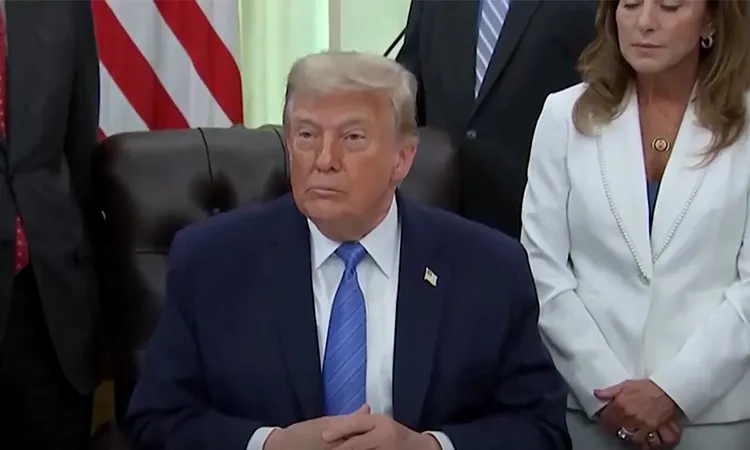
US President Donald Trump has threatened to hit Iran "very hard" with a fresh wave of military strikes, pushing the Middle East to the brink of further escalation despite active mediation efforts.
The latest flare-up follows an overnight exchange of hostilities triggered by Monday's downing of an American Apache attack helicopter near the strategic Strait of Hormuz. In retaliation, the US military launched targeted strikes against Iranian air defenses and radar installations. Iran responded with missile and drone salvos aimed at US bases in Jordan, Kuwait and Bahrain, though US officials reported no casualties or significant damage.

"We hit them hard yesterday and we're going to hit them again hard today," Trump told reporters in the Oval Office linking the escalation directly to the downed aircraft. He expressed intense frustration over stalled peace negotiations, warning on social media that Tehran "will have to pay the price" for delaying a deal.
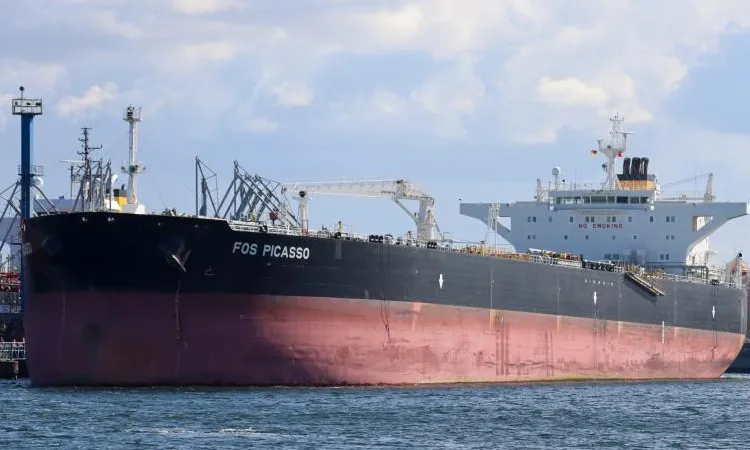
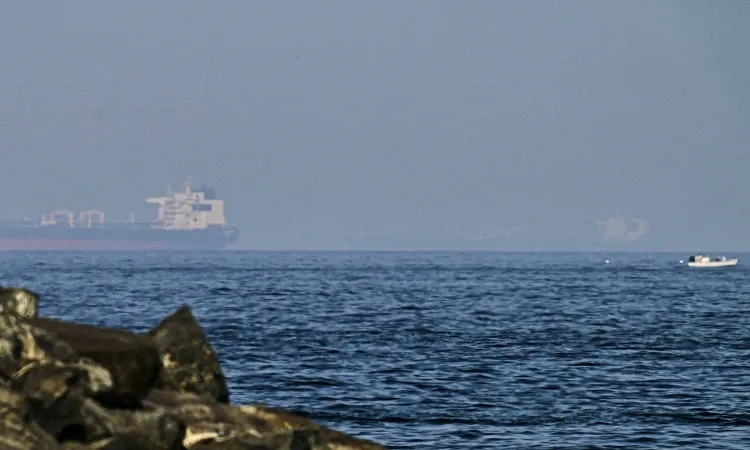
The conflict, which erupted on February 28 following joint US-Israeli strikes on Tehran that killed Iran's Supreme Leader has severely destabilized the region. A fragile tentative ceasefire brokered in April has fractured repeatedly. Adding to the friction the US military confirmed it struck the oil tanker Settebello in the Gulf of Oman on Wednesday for allegedly violating an ongoing maritime blockade against Iranian ports. The Indian government reported that 21 crew members were rescued from the vessel, while three Indian sailors remain missing.
In Tehran, Iranian President Masoud Pezeshkian fired back on social media, declaring that Iran "will stand firm against any pressure or threat."
Iranian Foreign Ministry Spokesperson Esmaeil Baqai accused Washington of crippling the peace process through contradictory messages, ceasefire violations and deliberate attacks on civilian infrastructure. Tehran claimed that overnight US strikes destroyed two water reservoirs near the southern port town of Sirik, cutting off drinking water for thousands of villagers an act Baqai classified as a "calculated war crime."
Amid the belligerent rhetoric, a diplomatic lifeline remains active. A mediating delegation from Qatar landed in Tehran on Wednesday afternoon in a desperate bid to de-escalate the three-month-old war before it spirals into a wider global conflict.