- National
- Bangladesh
- Business
- International
- Sports
- Entertainment
- Politics
- Technology
- Life Style
- Religion
- Opinion
Tuesday, 10 March 2026

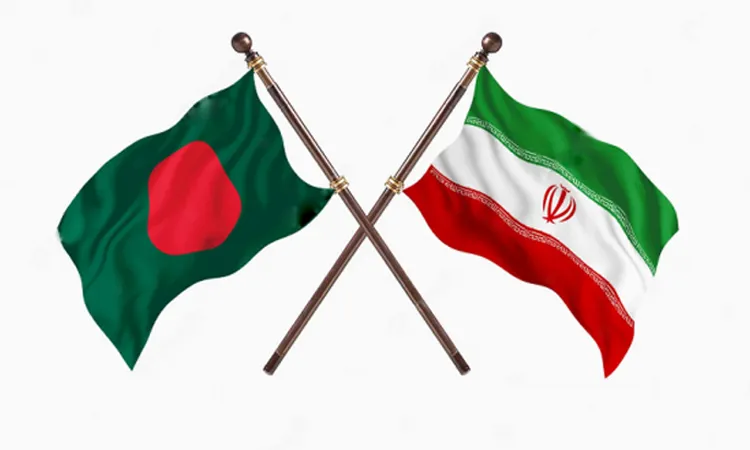
Iran has provided a critical assurance to Bangladesh, pledging not to obstruct ships carrying oil and Liquefied Natural Gas (LNG) through the Strait of Hormuz. The move comes as a major relief for Dhaka, which had requested safe passage to maintain national energy security despite the escalating regional conflict.
Energy Ministry officials confirmed that Bangladesh proactively contacted Tehran after the Strait of Hormuz—one of the world's most vital energy arteries—faced heightened risks. In response, Iran agreed to allow Bangladeshi tankers through the waterway, provided they notify Iranian authorities in advance of transit.
While global uncertainty persists, Bangladesh's immediate supply remains stable. A Singaporean tanker carrying 27,000 tons of diesel docked at Chittagong Port on Monday, with four more vessels carrying an additional 120,000 tons expected later this week.
According to the Energy Department: Total Expected Inflow: Approximately 147,000 tons of fuel. National Coverage: The upcoming shipments will cover roughly 16 days of national demand. Current Supply: The government is currently supplying 9,000 tons of diesel daily against a normal demand of 12,000 tons.
To mitigate supply chain risks associated with long-term contracts, the government is moving toward direct purchases. Plans are underway to procure 300,000 tons of diesel from alternative sources to meet the peak demand in April.
Finance Minister Amir Khasru Mahmud Chowdhury noted that Bangladesh is maintaining constant communication with various international partners to prevent a crisis. "There is no immediate threat of an energy shortage," Chowdhury stated, highlighting ongoing support from regional powers like China and India. Chinese Ambassador Yao Wen echoed this sentiment, affirming Beijing's willingness to provide emergency energy assistance if required. To prevent price gouging or artificial shortages, the Bangladesh Petroleum Corporation (BPC) has established monitoring cells at both central and regional levels. Furthermore, district administrators have been authorized to deploy mobile courts to crack down on hoarding and ensure transparent distribution at the consumer level.
Comment