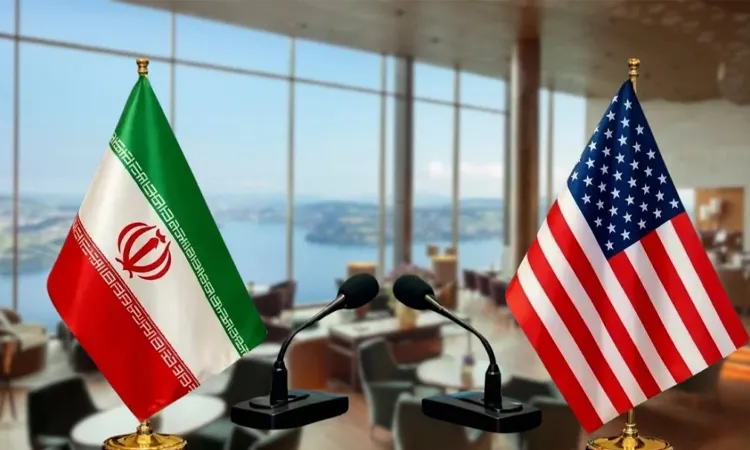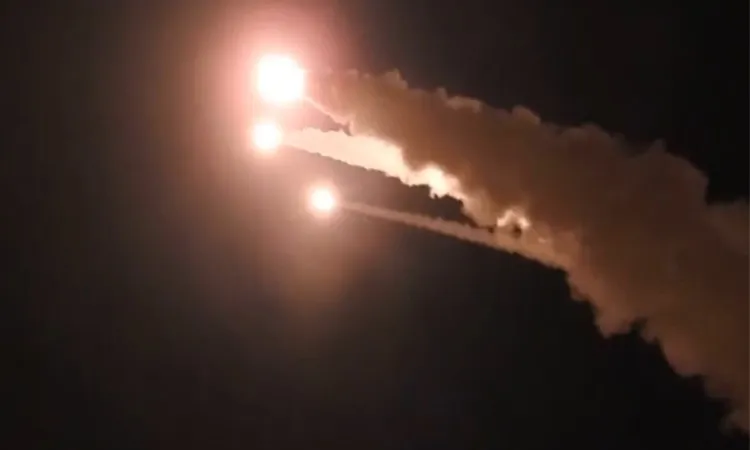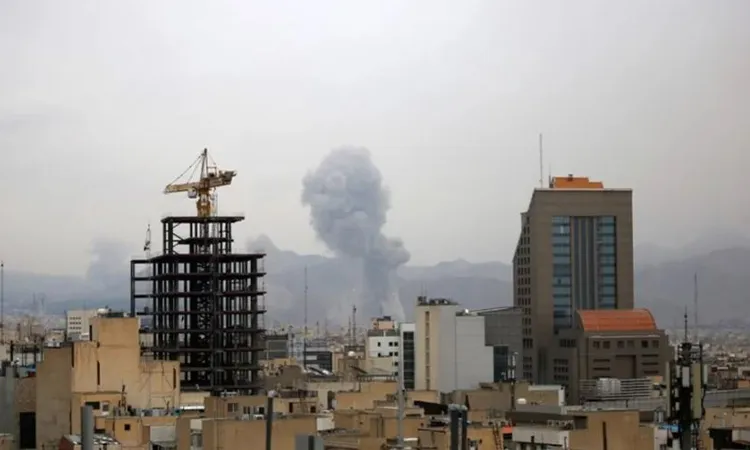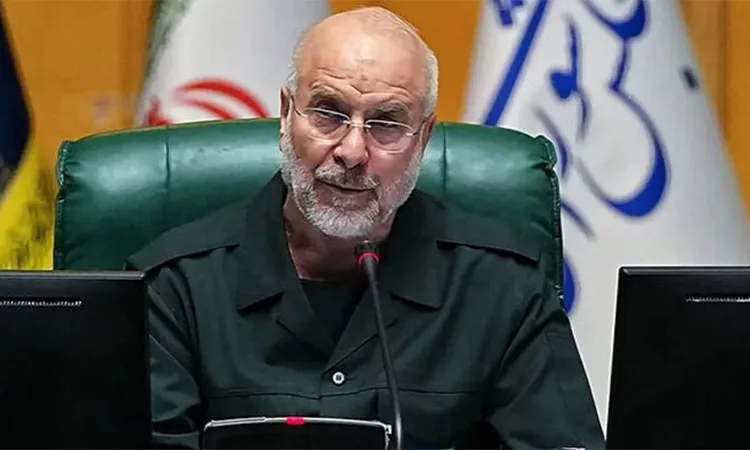
Tensions in the Middle East have surged following a stern warning from Iran’s Parliament Speaker and chief negotiator, Mohammad Bagher Ghalibaf. Despite a current ceasefire mediated by the US, Ghalibaf stated Sunday that Tehran "does not trust Washington at all" and warned that hostilities could resume at any moment.
Speaking on Iranian state television early Sunday (April 19), Ghalibaf expressed deep uncertainty regarding the extension of the two-week temporary truce. He emphasized that a permanent solution remains elusive, casting a shadow over diplomatic efforts.
In response to Tehran’s rhetoric, the Israeli military has been ordered to high alert. Israeli Army Radio, citing political and military sources, reported that armed forces are bracing for a potential surprise attack as the ceasefire agreement nears its expiration. Security has been significantly reinforced at borders and strategic national sites.
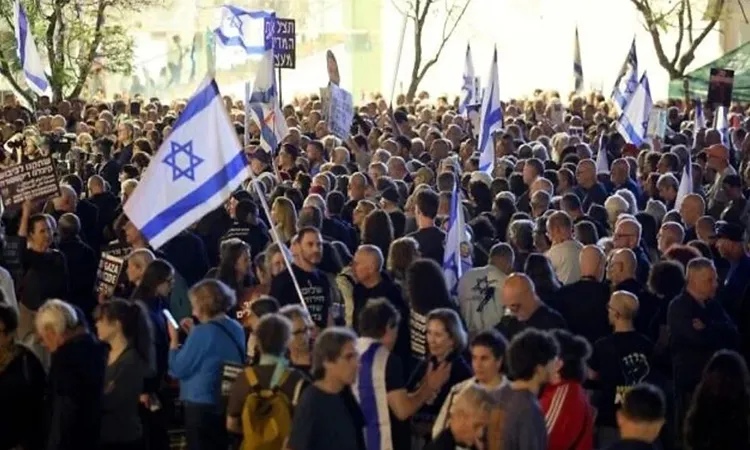
While facing external threats, Prime Minister Benjamin Netanyahu is also battling intense domestic pressure. On Saturday night, thousands gathered in Tel Aviv to demand his resignation and an immediate investigation into the security failures of October 7.
Protesters, including social activist Lee Hoffman-Aziv, accused Netanyahu of prolonging the conflict to serve his own political survival. "The Prime Minister is destroying Israeli society from within and damaging our western diplomatic ties," said Rafael Pinaina, one of the demonstrators.
The protesters are calling for an impartial inquiry into the government's handling of the war, which many now view as a strategic blunder. Critics like Haim Trivax argue that the escalation in Lebanon and Iran was a calculated move by Netanyahu to avoid potential imprisonment related to his ongoing legal challenges, rather than a move for national security.