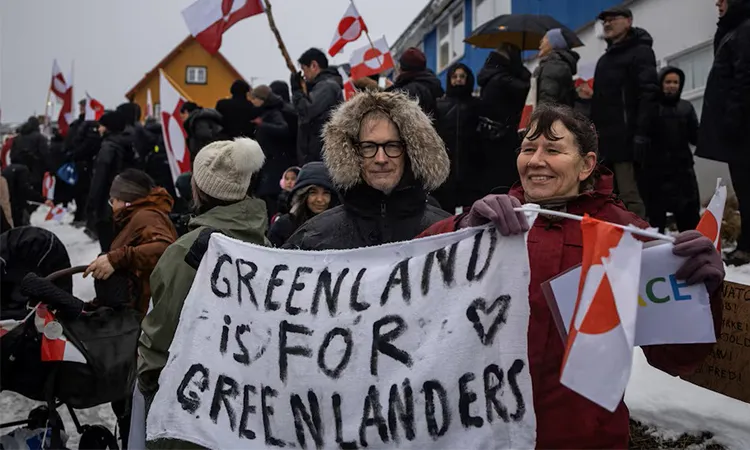
Major European Union nations, led by France and Germany, have fiercely condemned U.S. President Donald Trump’s threat to impose escalating tariffs on eight European allies unless the U.S. is allowed to purchase Greenland.
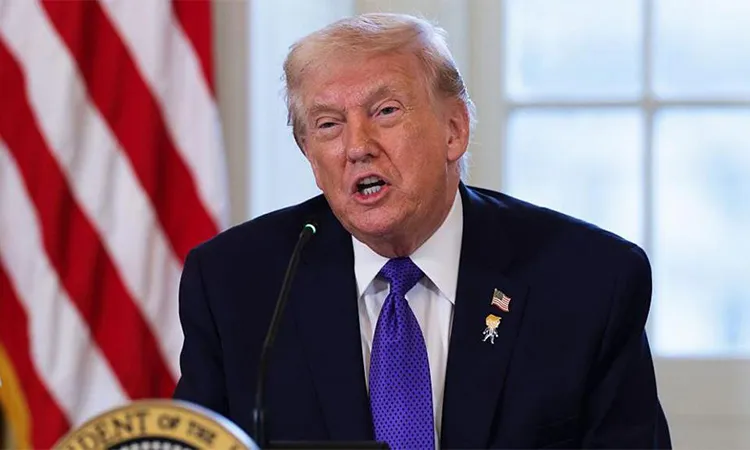
On Saturday, Trump vowed to implement a 10% tariff starting February 1 on goods from Denmark, Norway, Sweden, France, Germany, the Netherlands, Finland, and the United Kingdom. He stated the levy would rise to 25% on June 1 and remain in place until a deal for the "complete and total purchase" of the autonomous Danish territory is reached.

The targeted nations, which recently deployed military personnel to Greenland for the "Arctic Endurance" security exercise, issued a joint statement warning that the threats risk a "dangerous downward spiral" in transatlantic relations.

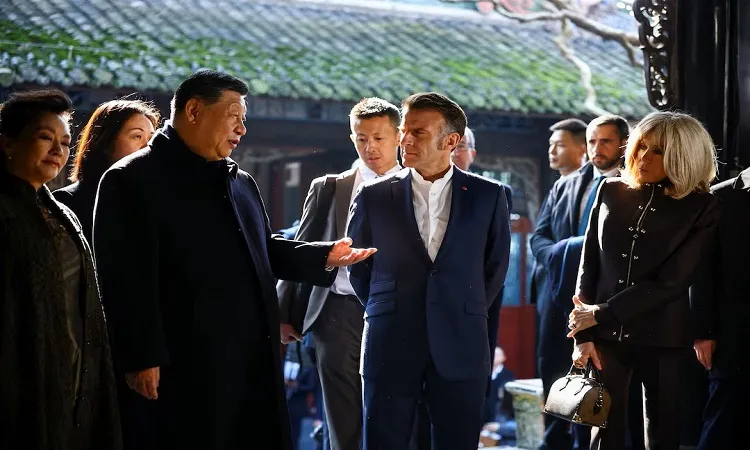
France: President Emmanuel Macron is reportedly pushing to activate the EU’s "Anti-Coercion Instrument," a powerful trade tool that could restrict U.S. access to public tenders, investments, and digital services. Denmark: Prime Minister Mette Frederiksen asserted that "Europe will not be blackmailed," a sentiment echoed by Dutch Foreign Minister David van Weel and Swedish Prime Minister Ulf Kristersson. United Kingdom: Culture Secretary Lisa Nandy stated that Britain’s stance on Greenland’s sovereignty is "non-negotiable."
The dispute has cast a shadow over recent trade agreements. The European Parliament is now likely to suspend its vote on an EU-U.S. trade deal originally scheduled for late January. Manfred Weber, head of the European People's Party, confirmed that approval is "not possible at this stage."
While Italian Prime Minister Giorgia Meloni called the threat a "mistake" after a direct call with Trump, other officials are suggesting more drastic measures—including a potential boycott of the 2026 FIFA World Cup, which the U.S. is co-hosting this summer.