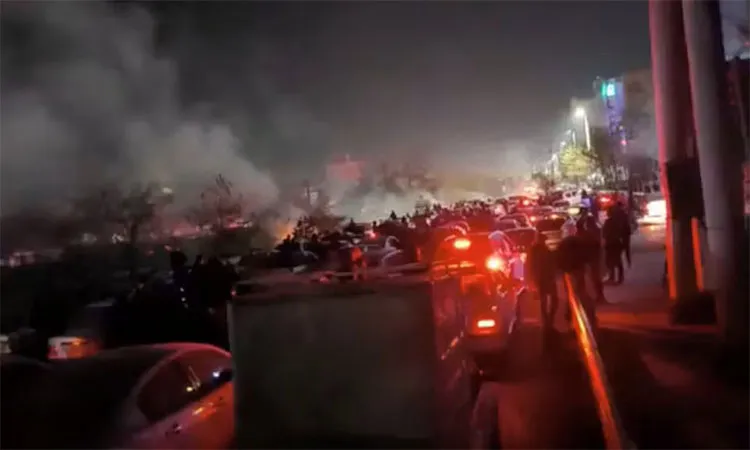
Iran is prepared for both conflict and negotiations, its foreign minister said Monday, while US President Donald Trump claimed Tehran is seeking talks after he threatened military intervention over a deadly crackdown on anti-government protests.
The unrest, sparked by soaring inflation on December 28, has evolved into a massive challenge for Supreme Leader Ayatollah Ali Khamenei. Rights groups estimate that nearly 500 people have been killed in the two-week uprising.

Speaking aboard Air Force One, President Trump warned that the US would act if Iranian security forces continued to open fire on demonstrators.4 He revealed that he is weighing "very strong options," which reportedly include military strikes, cyber warfare, and expanded sanctions.

Trump also stated that Iranian leaders had reached out to discuss their nuclear program—which was heavily damaged during a 12-day war with Israel and the US in June 2025."They want to negotiate," Trump said, though he added that the US "may have to act" before any meeting occurs.
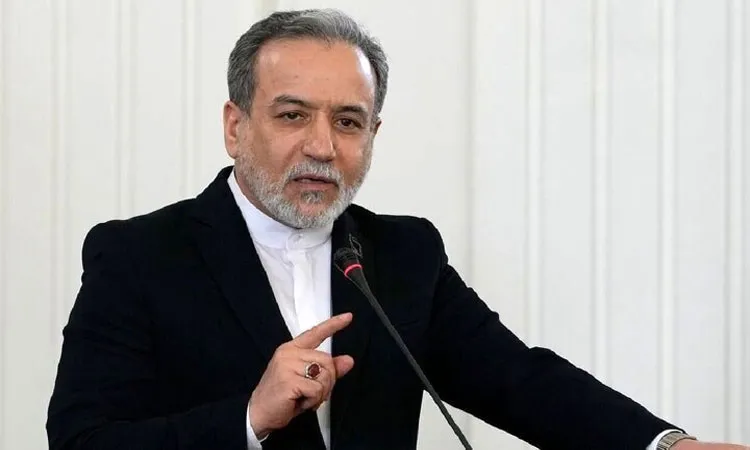
In Tehran, Foreign Minister Abbas Araghchi told ambassadors that while Iran does not seek war, it is "fully prepared" for one.8 He accused the US and Israel of fueling the unrest, describing it as a "terrorist war" rather than a protest movement.9 Araghchi insisted that any negotiations must be based on "mutual respect."

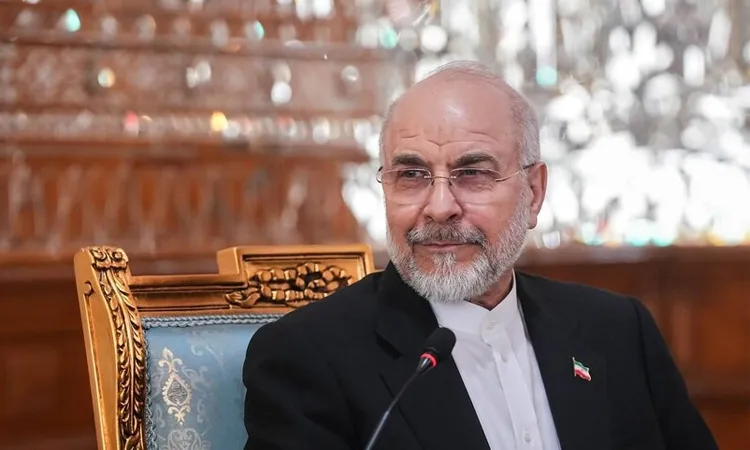
Parliament Speaker Mohammad Baqer Qalibaf issued a sterner warning, stating that any US attack would make Israel and American regional bases "legitimate targets."
An internet blackout has entered its fifth day, severely limiting information flow. In Tehran, residents describe a city in near paralysis, with food prices doubling and shops closing early as security forces deploy masse.
President Trump also indicated plans to speak with Elon Musk about deploying Starlink satellite internet to help Iranians bypass the government blackout.