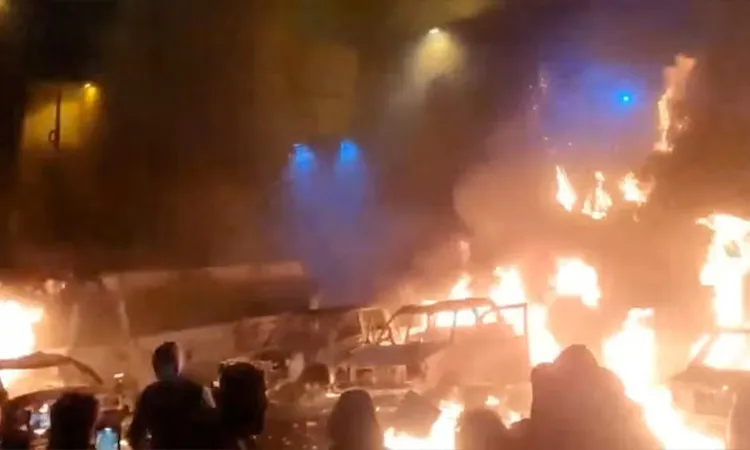
On Saturday, Iranian officials indicated a significant increase in their reaction to the largest anti-government protests in years. The Islamic Revolutionary Guard Corps (IRGC) described the unrest as "terrorist activity" and pledged to use all necessary force to defend the ruling system.

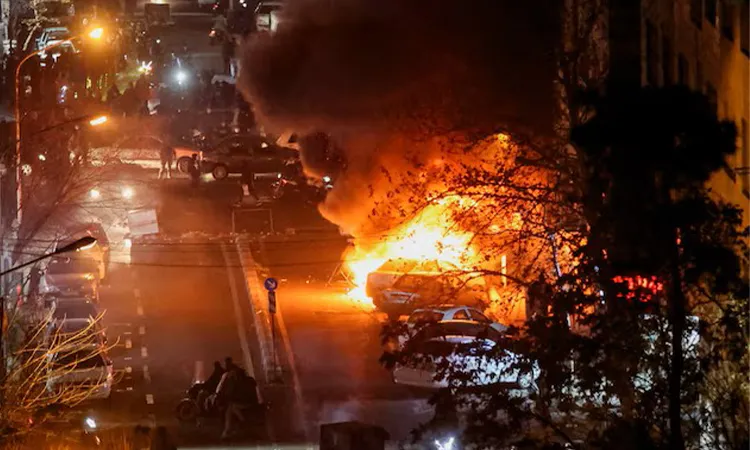
Despite a widespread internet blackout, new reports of violence surfaced throughout the country. The rights group HRANA states that at least 50 protesters and 15 security personnel have lost their lives since the protests began on December 28. Around 2,300 individuals have been detained so far.
In western Iran, witnesses noted the IRGC deploying units and firing on crowds. In the northwest, medical sources confirmed that they treated numerous protesters for severe beatings and gunshot wounds. At least five individuals reportedly died in one hospital due to injuries from live ammunition.
State media aired footage of funerals for security officers who were killed in Shiraz, Qom, and Hamedan. Additionally, officials in Baharestan announced the arrest of 100 "armed rioters."

Initially triggered by rising inflation, the protests have quickly transformed into a movement calling for an end to clerical rule. In Tehran’s Saadatabad district, protesters were seen chanting "Death to the dictator."
From exile, Reza Pahlavi, the son of Iran’s last shah, urged that the demonstrations evolve into a full-scale revolt to take over city centers. While some protesters have voiced pro-monarchy slogans, the majority are still focused on economic relief and political reform.
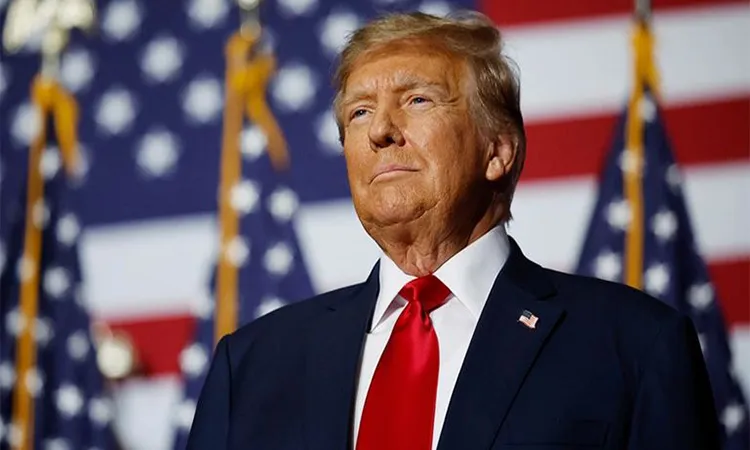
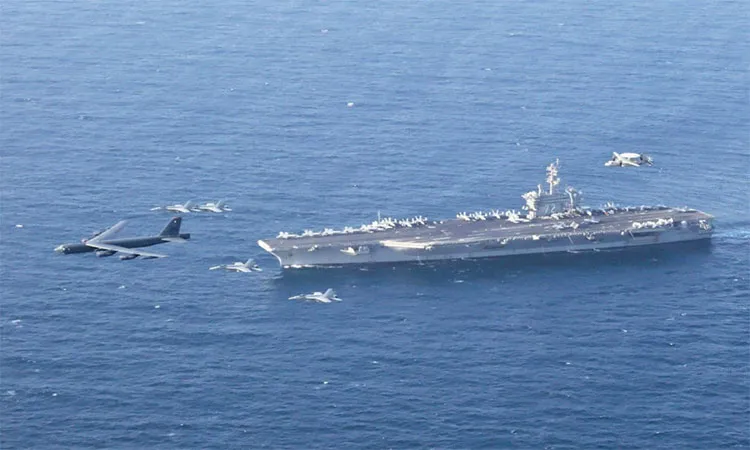
U.S. President Donald Trump issued a strong warning to Tehran, stating that the United States might intervene if the violence persists. "You better not start shooting because we'll start shooting too," Trump remarked on Friday.
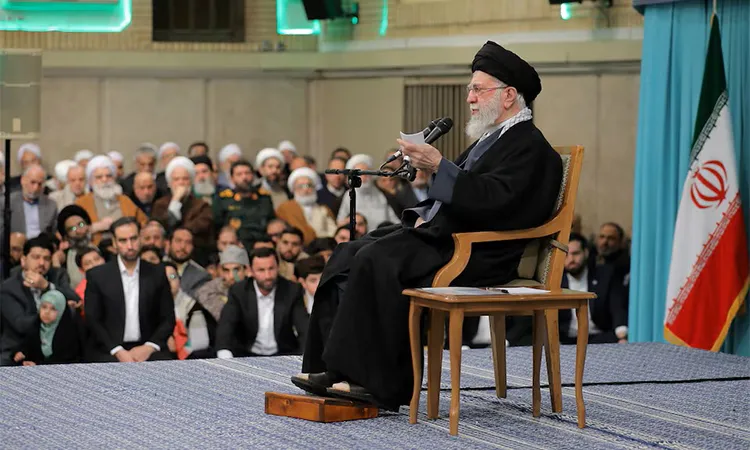
Supreme Leader Ayatollah Ali Khamenei has dismissed the movement as a conspiracy led by foreign powers, accusing the protesters of being "mercenaries" for the U.S. and Israel.