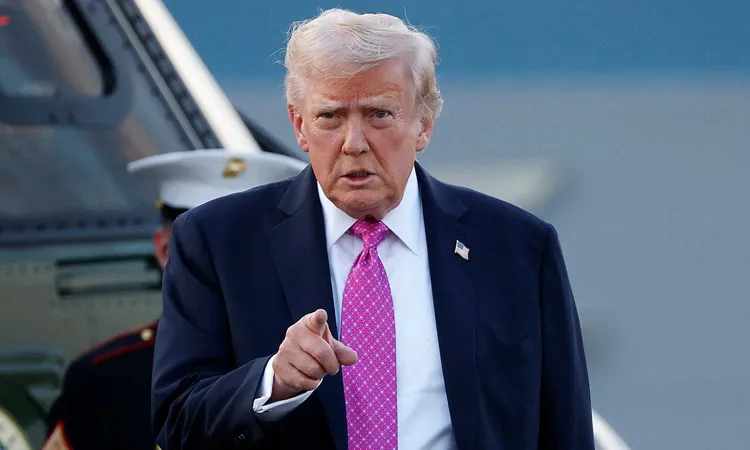
ABOARD AIR FORCE ONE — President Donald Trump issued a stern warning to Tehran on Sunday, stating the U.S. is prepared to deliver a "strong blow" if the Iranian government continues to use lethal force against demonstrators.
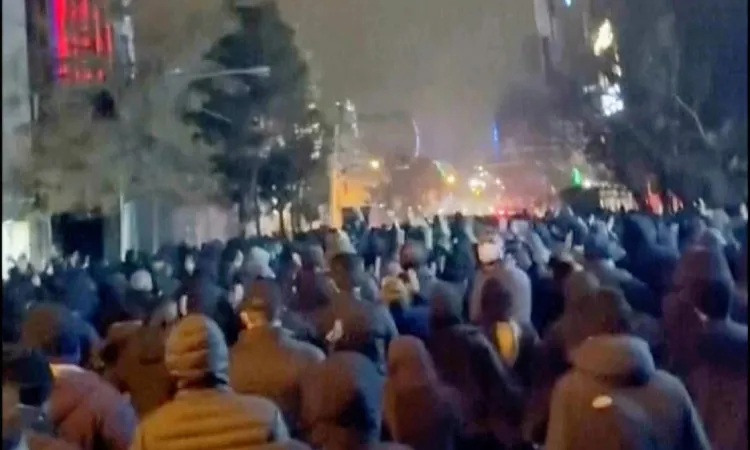
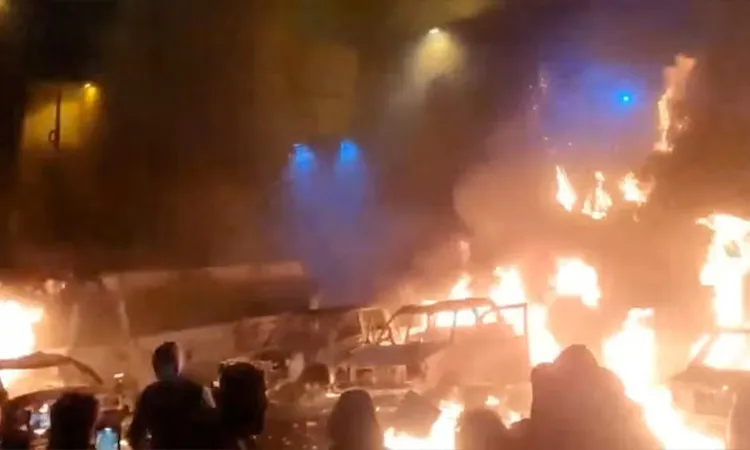
Speaking to reporters on Air Force One on Jan. 4, Trump said the administration is monitoring the week-long unrest "very closely." "If they start killing people like they have been doing before, I think there will be a strong blow from the United States to that country," Trump said. This marks the president's second major warning this week. On Jan. 1, Trump posted on Truth Social that the U.S. was "locked and loaded," adding that "if Iran shoots and violently kills peaceful protesters, the United States is ready to come to their rescue."
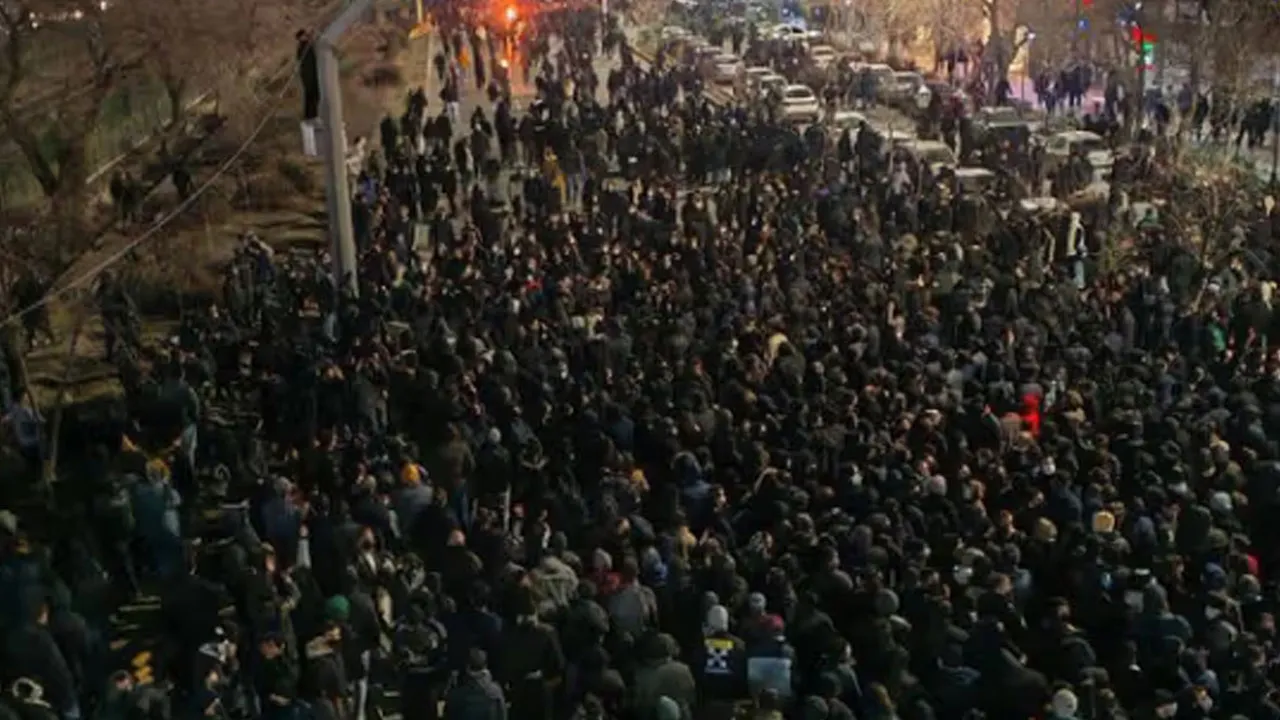
Currency collapse sparks nationwide unrest The warnings come as Iran faces its most significant domestic crisis since 2022. Protests, which entered their eighth day on Sunday, were triggered by a catastrophic collapse of the national currency. On Dec. 31, the Iranian rial hit a record low of 1.45 million to the U.S. dollar, effectively erasing the savings of millions and sending food inflation soaring above 70%. Human rights monitors report that the unrest has spread to at least 222 locations across 26 provinces. While the exact death toll is difficult to verify, advocacy groups state that at least 20 people have been killed in clashes with security forces, with nearly 1,000 arrests documented.
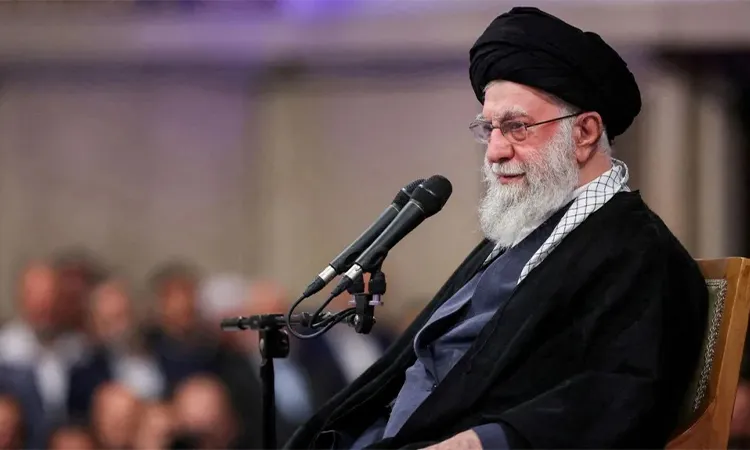
Tehran blames ‘foreign provocateurs’ Iran’s Supreme Leader Ayatollah Ali Khamenei has dismissed the demonstrations as the work of "foreign-backed provocateurs." While acknowledging that economic grievances are legitimate, Khamenei called for a tougher crackdown on "rioters" who he claims are acting on behalf of "hired enemies." Iranian officials have responded to Trump's rhetoric with their own threats, declaring U.S. troops in the Middle East "legitimate targets" if Washington intervenes. The current standoff follows a period of extreme volatility in the region, including the "Twelve-Day War" with Israel in June 2025 and the reimposition of U.S.-led "snapback" sanctions that have crippled Iran’s oil-dependent economy.
Comment