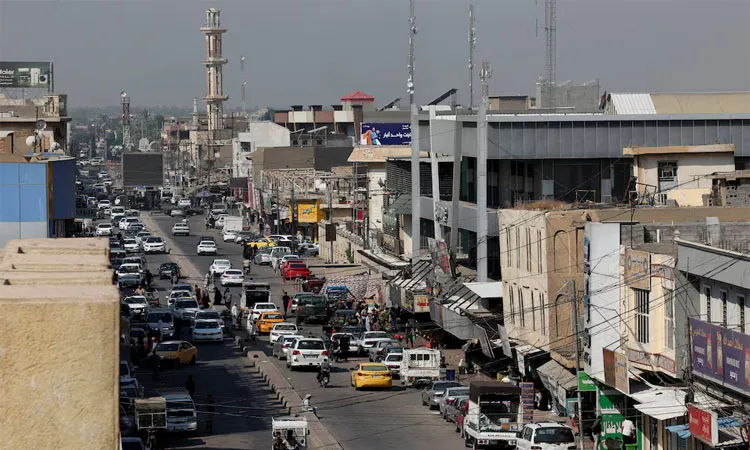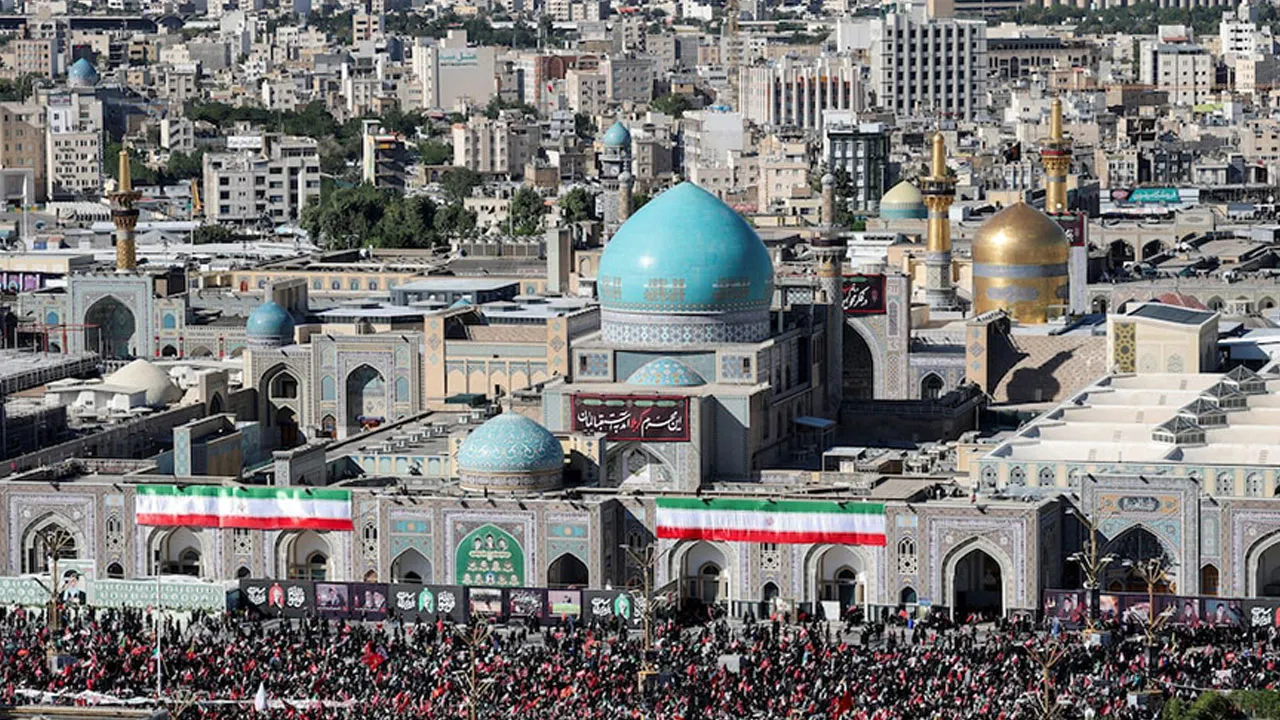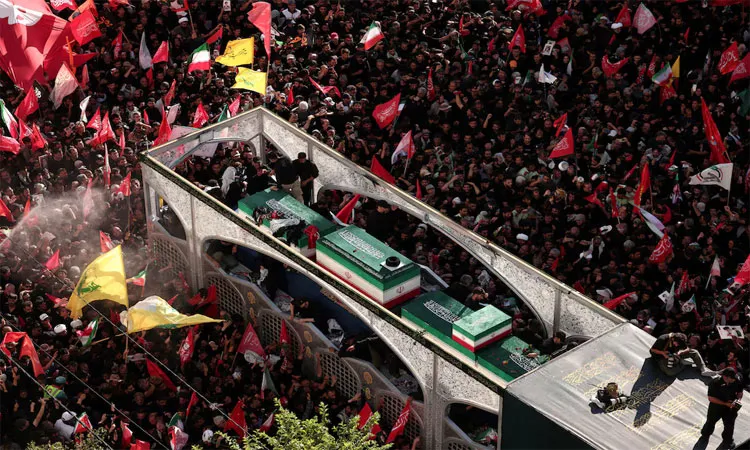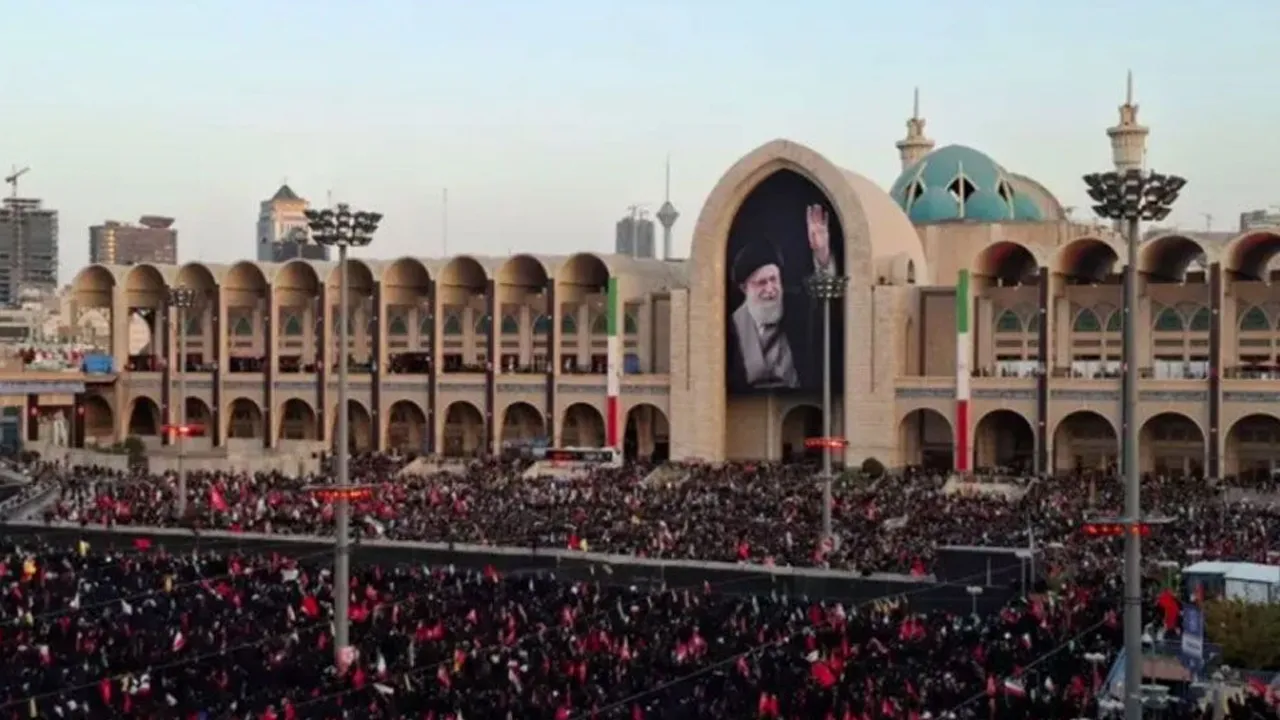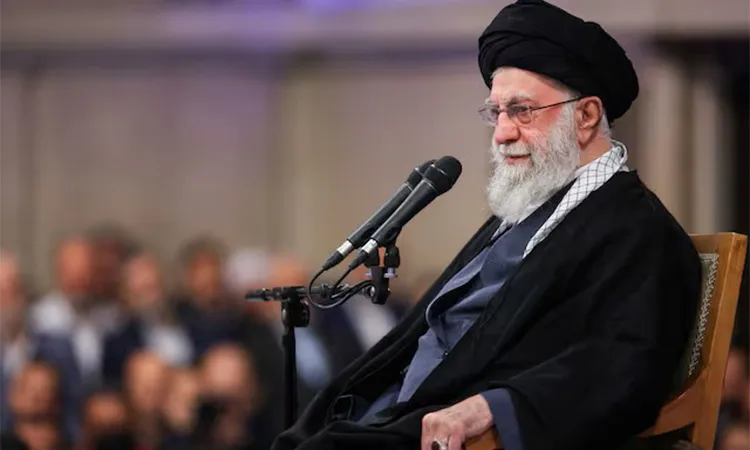
Iranian Supreme Leader Ayatollah Ali Khamenei vowed Saturday that the Islamic Republic "will not yield to the enemy," as security forces intensified a crackdown on nationwide protests sparked by soaring inflation and a collapsing currency.
In a recorded address, Khamenei distinguished between "legitimate" economic grievances and what he termed "rioting," stating that while the government would engage with peaceful protesters, rioters must be "put in their place." The unrest, fueled by the plummeting rial, marks the most significant domestic challenge to Tehran since the 2022 mass demonstrations.
The human cost is rising. State media reported three deaths on Saturday, including a security member, following clashes in the western town of Malekshahi. Human rights groups, however, estimate the death toll has exceeded 10 since Sunday. The Kurdish rights group Hengaw reported a surge in arrests, with at least 133 people detained—nearly double the previous day’s count.
The internal crisis coincides with escalating external pressure. U.S. President Donald Trump warned Friday that the United States is "locked and loaded" to intervene, though he did not specify what actions might be taken. This follows a summer of joint U.S.-Israeli airstrikes targeting Iranian nuclear sites and military leadership.
Tehran’s regional influence has also weakened significantly since the 2023 Gaza war. With the ousting of Bashar al-Assad in Syria and the degradation of Hezbollah’s capabilities by Israeli strikes, Iran’s leadership is navigating its most precarious period in decades.
Despite the crackdown, social media footage—which Reuters has not yet verified—shows marchers in southern and western Iran calling on bystanders to join the movement, chanting: "We don't want spectators: join us."