The conflict in Ukraine has entered a critical phase as Russian forces shift their strategic focus toward the southern port region of Odesa. Systematic strikes on energy infrastructure and maritime logistics have escalated, leading to widespread power outages and significant civilian casualties.
Ukrainian officials, including Deputy Prime Minister Oleksiy Kuleba, have warned that the "focus of the war" is now centered on Odesa. This shift follows threats from President Vladimir Putin to sever Ukraine’s access to the sea in retaliation for drone strikes against Russia's "shadow fleet"—the network of tankers used to bypass international sanctions.

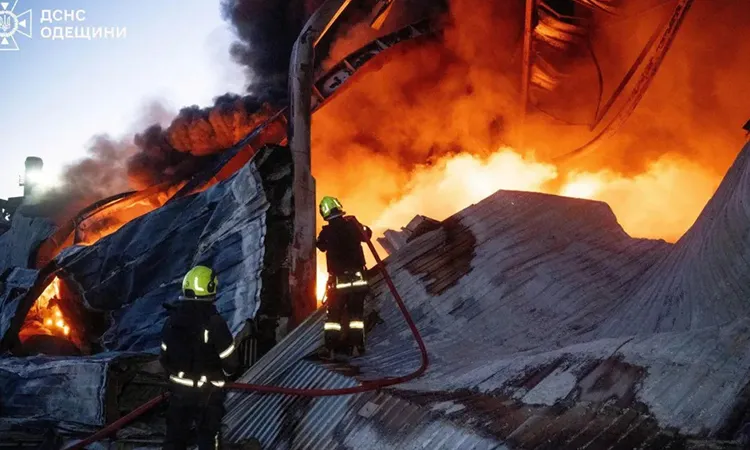
The recent wave of attacks has targeted the core of Ukraine’s economic survival strikes on Monday damaged civilian vessels and port infrastructure. A fire at a major port earlier in the week destroyed significant quantities of flour and vegetable oil intended for export.
Bombing has cut electricity to over 120,000 residents, leaving the region in a state of rolling blackouts. Meanwhile a ballistic missile strike on Pivdenniy port killed eight people, while other strikes have targeted transit routes, including the bridge linking Ukraine to Moldova.
Odesa remains Ukraine's last major operational maritime gateway for grain and corn exports. Since August 2023, the city has been the hub for a vital shipping corridor that hugs the coastlines of Romania, Bulgaria, and Turkey.
Despite the military escalation, diplomatic efforts in Miami led by the US have yielded "optimistic statements" but no concrete breakthroughs.
Discussions centered on a 20-point Ukrainian draft plan, an alternative to a November US proposal that many viewed as favorable to Moscow. Russian officials, including Yuri Ushakov and Sergei Ryabkov, dismissed European and Ukrainian modifications to the peace proposals.
Amidst European concerns of further aggression, the Kremlin stated it is willing to provide written legal guarantees that Russia has no intention of attacking EU or NATO territories.