Electricity consumers across Bangladesh may face higher bills from June, with the Bangladesh Energy Regulatory Commission (BERC) expected to announce a new retail tariff shortly after Eid-ul-Azha.
Sources familiar with the process said electricity prices could increase by an average of up to 20 percent. However, consumers under the lifeline category—those using up to 75 units per month—are expected to remain exempt from the hike and continue receiving existing benefits.
A BERC official said preparations for the tariff adjustment were completed before the Eid holidays, and only the formal announcement remains. The revised rates are planned to take effect from June.
According to officials, the move is linked to ongoing electricity sector reforms and commitments associated with Bangladesh's loan programme with the International Monetary Fund (IMF). A cabinet committee, formed two months ago under the leadership of Finance Minister Amir Khasru Mahmud Chowdhury, reportedly recommended increasing electricity tariffs by Tk 1 to Tk 1.50 per unit and implementing the adjustment through BERC in line with existing regulations.
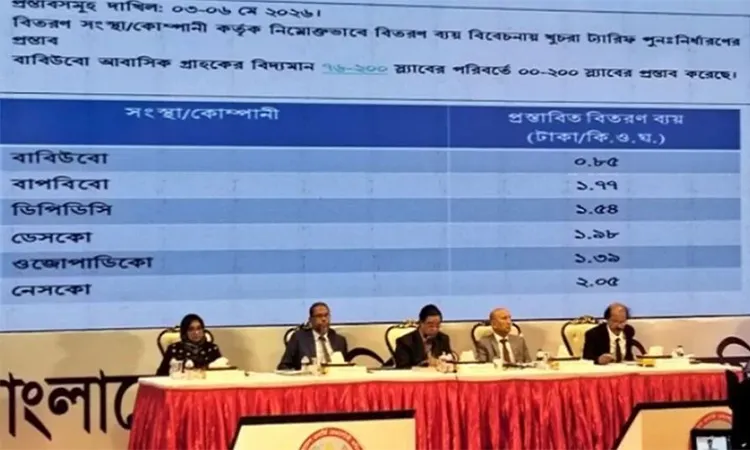
BERC held a two-day public hearing on April 20 and 21 to review proposals submitted by six electricity distribution companies. The companies sought tariff increases ranging from 85 paisa to Tk 2.05 per unit.
Under the proposals, the Bangladesh Power Development Board (PDB) requested an increase of 85 paisa per unit, the Rural Electrification Board (REB) Tk 1.77, Dhaka Power Distribution Company (DPDC) Tk 1.54, Dhaka Electric Supply Company (DESCO) Tk 1.98, West Zone Power Distribution Company (Ozopadico) Tk 1.39, and Northern Electricity Supply Company (NESCO) Tk 2.05.
The BERC technical committee has recommended an average increase of Tk 1.25 per unit for distribution companies. Sources said the commission is likely to consider this recommendation in its final decision.
A BERC commissioner, speaking on condition of anonymity, said the final tariff would be determined after reviewing stakeholder feedback. However, the increase is unlikely to be less than Tk 1 per unit.
The commissioner also indicated that lower-consuming households would face a smaller increase. Consumers using up to 200 units are expected to see a relatively modest adjustment, while higher rates may apply in stages for those consuming 200–400 units and 400–600 units. The largest increase is expected for consumers using more than 600 units per month.