- National
- Bangladesh
- Business
- International
- Sports
- Entertainment
- Politics
- Technology
- Life Style
- Religion
- Opinion
Wednesday, 03 June 2026

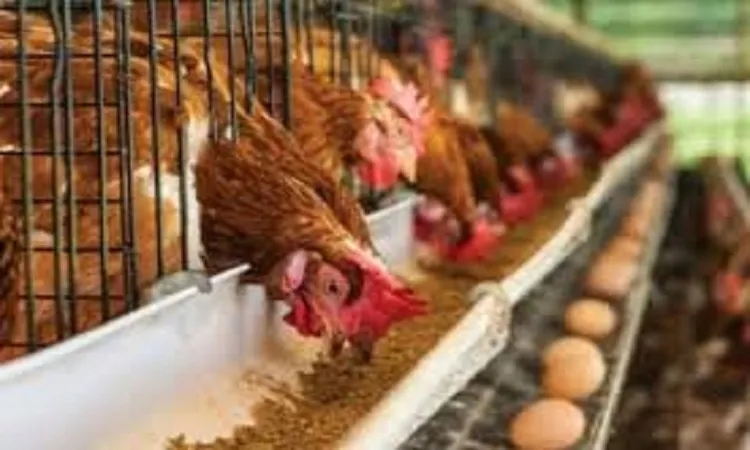
The government has rejected a proposal to include marginal fisheries, hatcheries, livestock, and poultry farms in the existing 20 per cent electricity bill rebate scheme, despite acknowledging their rising production costs.
The decision was made at a recent inter-ministerial meeting, chaired by Rahima Begum, Director General of the Finance Division's Monitoring Cell, which reviewed a proposal from the Ministry of Fisheries and Livestock (MoFL).
The meeting concluded that expanding subsidies to these sectors would strain the economy and contradict the government's ongoing efforts to reduce financial support, particularly ahead of the country's Least Developed Country (LDC) graduation.
Finance Division representatives cautioned against expanding subsidies, citing the country's preparation for LDC graduation and the IMF requirements to reduce subsidies.
Currently, these farm owners pay commercial power tariffs, which the MoFL official noted significantly increases the cost of producing essential protein items like fish, meat, eggs, and milk.
An official who attended the meeting observed that increased electricity costs are discouraging small producers, making essential protein items unaffordable for ordinary consumers.
Some 16 agricultural and agro-processing sectors currently enjoy the rebate, including food processing, dairy, spice grinding, salt processing, seed processing, poultry industry, and agricultural irrigation.
Over the last five fiscal years, the Rural Electrification Board (REB) reimbursed significant funds for related categories: Poultry feed: Tk 702 million, Fish feed: Tk 704.2 million, Poultry industry: Tk 767.2 million, Tk 567 million, and Tk 377.8 million (figures appear cumulative or non-annual in the source).
The meeting ultimately instructed the MoFL to prepare a 5-year concept paper detailing the total rebate disbursed over the last five years and the projected amount required for the next five years for the three main sectors (balanced feed production, fish feed production, and the poultry industry).