The International Monetary Fund (IMF) has raised its global growth forecast for 2026, citing a massive surge in Artificial Intelligence (AI) investment and a resilient global economy that is successfully navigating U.S. tariff disruptions.
In its latest World Economic Outlook update released Monday (19 January), the IMF projected global GDP growth at 3.3% for 2026, a 0.2 percentage point increase from its October estimate. The Fund also maintained a 3.3% growth forecast for 2025, signaling that the world economy is "shaking off" the trade shocks seen earlier in the decade.
The IMF highlighted AI as a primary driver of growth, particularly in the United States and Europe. Massive investments in data centers, chips, and infrastructure are fueling productivity expectations.
United States 2026 growth forecast raised to 2.4% while Globally AI adoption could lift global growth by up to 0.3 percentage points in 2026 alone.
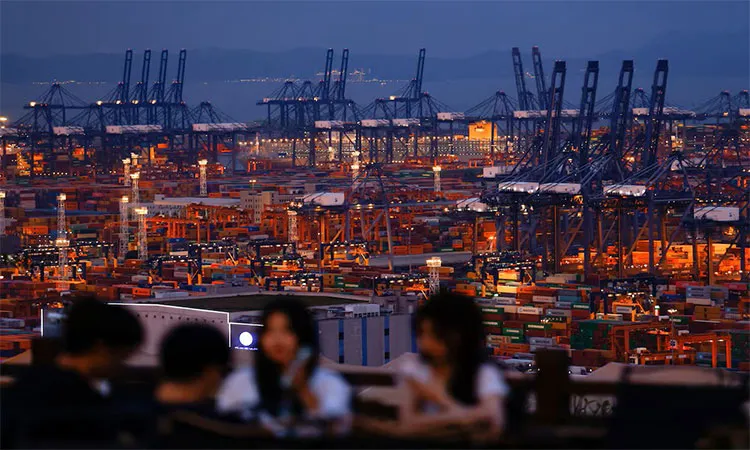
IMF Chief Economist Pierre-Olivier Gourinchas noted that businesses have proven remarkably adaptable to U.S. tariffs. By rerouting supply chains and finding new markets, global trade has remained stable. The IMF now assumes an effective U.S. tariff rate of 18.5%, down from previous projections of 25%.
China’s 2026 growth forecast was also adjusted upward to 4.5%, reflecting a slight easing in trade tensions and a successful diversion of exports to Southeast Asia and Europe.
While most major economies saw upgrades, the IMF warned of lingering risks of Euro Zone which Forecasted to grow by 1.3% in 2026, boosted by public spending in Germany and strong activity in Spain. Japan a slight upgrade due to new fiscal stimulus. Brazil is notable outlier, with growth downgraded to 1.6% due to tight monetary policy aimed at cooling inflation.
Despite the optimism, the IMF cautioned that a potential "correction" in high tech-market valuations or renewed geopolitical tensions could still impact the medium-term outlook.