- National
- Bangladesh
- Business
- International
- Sports
- Entertainment
- Politics
- Technology
- Life Style
- Religion
- Opinion
- FIFA World Cup 2026
Wednesday, 22 July 2026

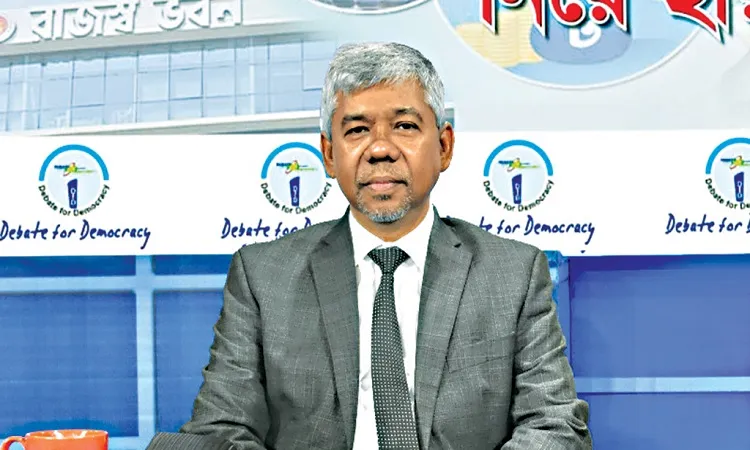
National Board of Revenue (NBR) Chairman Md Abdur Rahman Khan stated unequivocally that Bangladesh has already slipped into a form of debt trap and must confront this reality to restore economic stability.
Speaking at a seminar on the Bangladesh State of the Economy 2025 in Sher-e-Bangla Nagar on Monday (December 8th), the NBR chief stressed that the core challenge is the urgent need to significantly increase domestic revenue to reduce reliance on borrowing. He noted that all indicators confirm the nation has "gone into a long-term debt trajectory."
The NBR Chairman concerns that continuous decline in the tax-GDP ratio, which has dropped from above 10% a few years ago to just around 7% presently. Khan described this trend as "dangerous" for an economy with limited fiscal space.
The weakness in revenue mobilisation has forced heavier borrowing, deepening the debt trap concern. Factors contributing to falling tax intake include reduced development spending, stagnating imports, stress in the banking sector, and leakage across tax streams.
Khan reiterated that Bangladesh must act decisively and strengthen domestic revenue, eliminate distortions, and restore discipline in the tax system. Ongoing NBR efforts include stricter enforcement, expanded digitalisation, automated audit selection, and measures to discourage excessive cash transactions.
Professor Mustafizur Rahman, a Distinguished Fellow of the Centre for Policy Dialogue (CPD), echoed this alarm, warning that the country is moving towards a "dangerous and obligatory dependency" due to the persistently low revenue-GDP ratio.
He noted the ratio has fallen to 7.7% this year, significantly down from 10.9% in 2015. Professor Rahman cautioned that the second-largest expenditure in the revenue budget, after salaries and pensions, is now interest payments instead of priority sectors like agriculture and education, indicating a serious debt-servicing burden. He urged for urgent revenue mobilisation, improved governance, and confronting structural challenges.