- National
- Bangladesh
- Business
- International
- Sports
- Entertainment
- Politics
- Technology
- Life Style
- Religion
- Opinion
Sunday, 01 March 2026

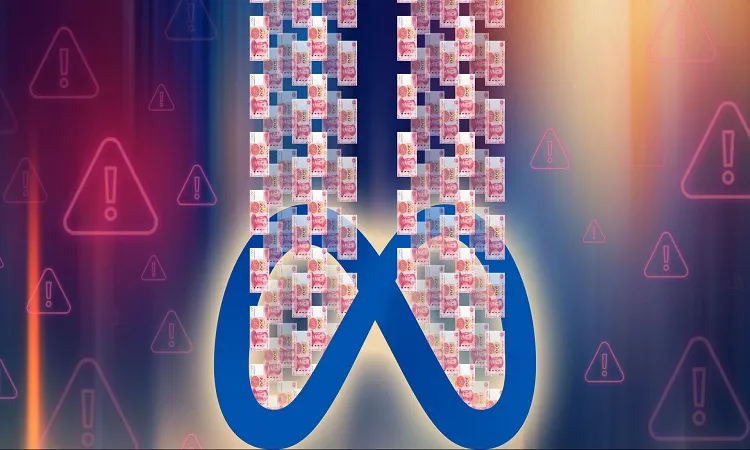
Internal Meta documents, spanning four years, reveal that the company knowingly tolerated a massive influx of fraudulent and banned advertising originating from its profitable Chinese market, which reached over $18 billion in annual sales in 2024.
The Scale of the Problem
Meta calculated that approximately 19% of its 2024 China advertising revenue—exceeding $3 billion—came from ads promoting scams, illegal gambling, pornography, and other banned content.
Internal documents characterize China as Meta's top "Scam Exporting Nation" and the source of roughly a quarter of all global ads for scams and banned products on its platforms.
Victims of this fraud were worldwide, including consumers purchasing bogus health supplements in Taiwan and investors losing savings in the US and Canada.
The Brief Crackdown and Reversal
In response to the growing harm, Meta created a specialized anti-fraud team focused on Chinese advertisers.
This team successfully slashed the problematic ad revenue by about half during the second half of 2024, dropping the percentage of banned ads from 19% to 9%.
However, a late 2024 internal document noted that, following an "Integrity Strategy pivot and follow-up from Zuck," the China-focused enforcement team was "asked to pause" its work and was subsequently disbanded.
Following this decision, Meta also lifted a freeze on granting new Chinese ad agencies access to its platforms and shelved other effective anti-scam measures.
By mid-2025, the percentage of banned ads originating from China climbed back up to about 16% of Meta's China revenue.
Corporate Response and Context
An outside consultant hired by Meta warned that "Meta's own behaviour and policies" were fostering systemic corruption in the Chinese ad market targeting foreign users.
Rob Leathern, a former senior director at Facebook, called the scale of predatory advertising "not defensible."
Meta spokesperson Andy Stone stated that the special team's work was always meant to be temporary and denied that CEO Mark Zuckerberg ordered its disbanding. Stone claimed Zuckerberg's order was to "redouble efforts to reduce them all across the globe."
Stone also noted that Meta's automated systems blocked or removed 46 million ads from Chinese partners over 18 months and that the company is "focused on rooting them out."
The revelations add to existing scrutiny, as Meta was previously reported to earn $7 billion annually from "high risk" scam ads globally, leading two U.S. senators to call for SEC and FTC investigations.
The internal documents underscore the tradeoffs Meta makes between user protection and revenue protection in China, a unique market where the government bans Meta platforms domestically but allows its companies to advertise abroad.
Comment