- National
- Bangladesh
- Business
- International
- Sports
- Entertainment
- Politics
- Technology
- Life Style
- Religion
- Opinion
Wednesday, 03 June 2026

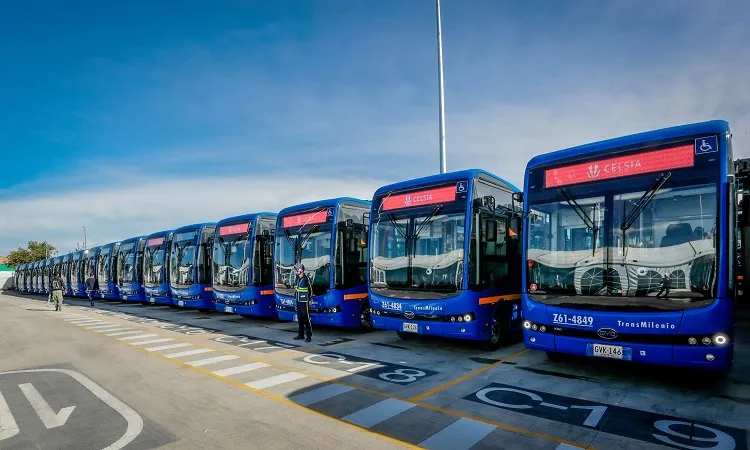
The Bangladesh government is initiating a major structural overhaul of Dhaka's disorganized public transport system by proposing a World Bank-backed Public Transport Fund (PTF) totaling Tk671 crore. The fund aims to finance the rollout of 400 electric buses in Dhaka, enforce strict service standards, and mitigate severe urban pollution caused by aging diesel fleets.
To impose discipline, reduce pollution, and improve safety in Dhaka's public transport, which is currently marked by disorder and poor service. The fund, established under the Dhaka Transport Coordination Authority (DTCA) and the Bangladesh Clean Air Project Phase-1, will be capitalized with Tk427 crore plus Tk244 crore in seed capital, totaling Tk671 crore.
Operators will receive fixed fees (gross cost contracts), while the government will handle fare collection, revenue, and absorb passenger demand risks. This is intended to stabilize services and eliminate reckless competition. The fund supports the initial deployment of 400 electric buses in Dhaka, aligned with the Bus Route Rationalisation Plan, with plans to expand to other major cities later. Tk85.40 crore has been allocated for a scrappage and compensation scheme to phase out old, polluting diesel buses.
Total Project Cost: The overall transport reform package is estimated at Tk2,481.97 crore, with Tk2,135 crore financed by the World Bank. The proposal has been submitted to the Planning Commission for approval.
Asset Management (AssetCo): A state-run company (AssetCo) will procure and own the electric buses, managing maintenance, battery replacement, and warranties to improve accountability.
Depot Development: Tk748.59 crore is earmarked for upgrading three electric bus depots on government land (sites selected from Kanchpur, Gabtoli, etc.).
Intelligent Transport Systems (ITS): Tk170.28 crore will be spent on ITS, including vehicle tracking, automated fare collection, real-time passenger information displays, an operations control center, and a mobile app for schedules, tickets, and incident reporting (including gender-based violence).
Pollution: Dhaka's air quality is severely poor 25% of pollution stemming from aging fossil-fuel vehicles.
The current route-license system fuels disorder, with private operators competing recklessly, worsening congestion, and leaving many areas underserved.
Transportation expert Md Hadiuzzaman noted that the success depends on the "positive acceptance and sincere cooperation" of influential private sector leaders, as previous initiatives failed due to the sector's political sensitivity.