- National
- Bangladesh
- Business
- International
- Sports
- Entertainment
- Politics
- Technology
- Life Style
- Religion
- Opinion
Tuesday, 19 May 2026

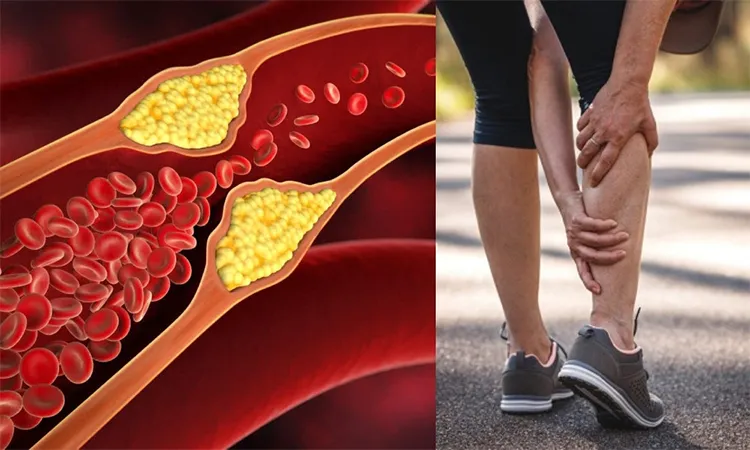
Due to a busy lifestyle, frequent fast food consumption, irregular eating habits, and ongoing stress, high cholesterol is now being seen even in younger people. The concerning part is that it often develops silently without clear external signs in the early stage. That is why doctors refer to it as a “silent killer.”
When cholesterol levels rise, fat builds up inside the blood vessels. This narrows the arteries, restricts blood flow, and increases pressure on the heart.
If left untreated, high cholesterol can lead to serious health problems such as heart attack, stroke, and other cardiovascular diseases.
Although cholesterol usually shows no clear early symptoms, some warning signs may appear:
Skin and eye changes: Yellowish deposits or small swollen patches may appear around the eyes or on the skin (known as xanthoma). In some cases, a grayish or white ring may form around the iris.
Leg pain and numbness: Pain while walking, tingling sensations, or cold and numb hands and feet may occur due to reduced blood circulation.
Fatigue and breathing difficulty: Unexplained tiredness, dizziness, shortness of breath, and difficulty doing light physical work can be warning signs.
Main causes include eating fatty and oily foods regularly, frequent fast food intake, smoking, alcohol consumption, obesity, diabetes, and long-term stress. In some cases, genetics or family history also play a role.
Doctors say cholesterol cannot be confirmed based on symptoms alone. A blood test called a lipid profile is necessary for proper diagnosis.
People with a family history of heart disease should be especially careful. To control cholesterol, it is recommended to walk or exercise for at least 30 minutes daily, eat more vegetables and fruits, reduce fried and processed foods, and avoid smoking completely.
Early awareness and lifestyle changes can significantly reduce the risk of serious heart disease.