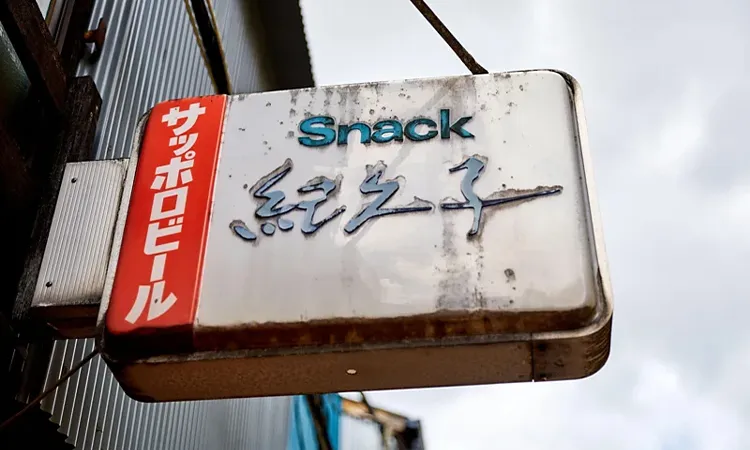
Hidden in plain sight across Japan are some 100,000 small, unassuming dives known as sunakku (snack bars). Long considered "locals-only" sanctuaries, these venues are now being discovered by travelers seeking an authentic connection to Japanese nightlife and the charismatic "mamas" who run them.
During a recent visit to the Shinbashi neighborhood in Tokyo, I visited Aeru, a cozy second-floor snack bar. The owner, Urara, greeted me with tarot cards and a binder of handwritten profiles. Over 14 years, she has successfully matched 90 couples through her unique brand of modern matchmaking. While her fortune-telling is a personal touch, Urara embodies the core of the snack bar: the "mama-san."
The Role of the 'Mama-san' Unlike the high-end hostess clubs of Shinjuku, where young women are paid to flirt and pour drinks, snack bars offer a "no-frills" home-like atmosphere. The mama-san—typically an older woman—presides over the room not just as a bartender, but as a confidant, counselor, and therapist.

"Unlike a standard bar, a snack bar is a warm, intimate place," says Mayuko Igarashi, director of Snack Yokocho Culture Inc. "The 'mama' welcomes guests with a sense of personal care, making even first-timers feel like they are in a friend's living room."
A Post-War Legacy Snack bars emerged after World War II. To bypass strict alcohol regulations, owners served simple food ("snacks") alongside drinks. These establishments became safe havens for businessmen to unwind and confide in female proprietors. Today, there are twice as many snack bars in Japan as there are convenience stores.

Many still use the botoru kiipu (bottle-keep) system, where regulars buy a bottle of spirits, label it, and keep it behind the bar for future visits—turning a casual drink into a long-term relationship.
Surviving the Digital Age The industry has faced challenges as younger generations drink less and aging mamas retire. However, a resurgence is underway. Since 2021, tours have begun introducing foreign travelers to these once-secluded spots. Modern "neo-snack bars" are also appearing, using social media to attract a younger, more diverse crowd, including LGBTQ+ guests.

For many, these bars offer a much-needed respite from the pressures of digital life. "Younger generations are drawn to them because they offer real human connection," Igarashi explains. As travelers look for deeper cultural experiences, these intimidating "dark doors" are finally swinging open to the world.