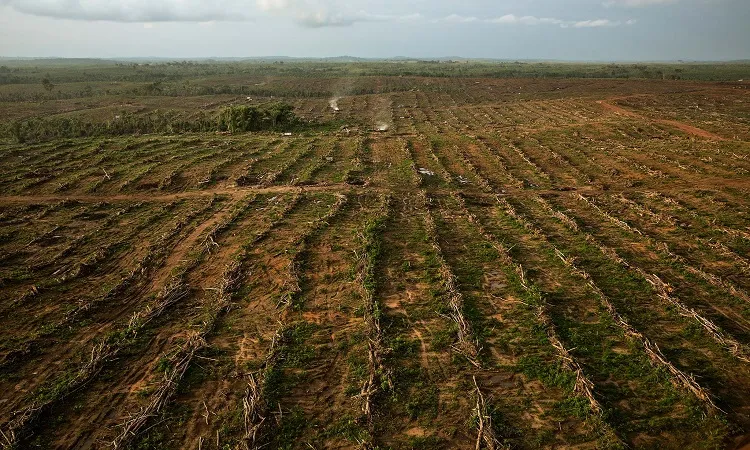
The recession of floodwaters across northern Bangladesh has triggered a massive agricultural revival on the sandy river islands, or chars, of the Teesta, Dharla, Saniyazan, and Brahmaputra rivers. The newly deposited, nutrient-rich silt has made these lands exceptionally fertile, leading to a surge in cultivation and renewed hope for local communities rebuilding their lives.
Fertile Transformation: The post-flood silt has turned the sandy chars into highly fertile land, allowing many crops to flourish, often without the need for chemical fertilizers.
Massive Cultivation Target: The Department of Agricultural Extension (DAE) reports nearly 786 char areas are being cultivated. The target for this season is 36,911 hectares, with an expected yield of 362,000 tonnes of various crops, according to Agriculturist Sirajul Islam, Additional Director of the Rangpur agricultural region.
Crops Planted: Farmers across the char zones (in Lalmonirhat, Rangpur, Kurigram, Gaibandha, and Nilphamari) are working intensely, planting a wide variety of crops, including, Potatoes, Aubergines, Chillies, Onions, Ginger, Garlic, Beans, Coriander, Carrots, Cabbages, Radishes, Gourds, Wheat, Sesame, Linseed, Mustard, and Maize.
Economic Relief: Farmers anticipate good yields and significant profits. Hossain Mia, a farmer in Ichli char, expects to earn around Tk 1.5 lakh (after covering costs), while others anticipate profits ranging from Tk 60,000 to Tk 70,000. Officials estimate the crops from the 786 char areas could generate a total revenue of Tk 200 crore this season.
Official Support: Field officers from the agricultural department are actively providing technical assistance and financial incentives to flood-affected char farmers. Despite the agricultural boom, officials and local leaders highlight major issues that prevent char farmers from securing fair prices, Lack of Storage and Processing: Abdullah Al Hadi, Chairman of Lakshmitari Union Parishad, identifies the absence of cold storage and processing facilities as the "biggest frustration." The region needs at least two to three cold storages, but Gangachara currently has only one.
Poor Market Access and Connectivity: Limited transport links and poor connectivity hinder farmers from easily moving their produce to nearby markets, forcing them to sell at lower prices.
Dr. Tuhin Wadud, Professor at Begum Rokeya University and a researcher on char lands, notes that while bumper harvests are common after floods, the lack of transport continues to limit profits. He suggests that dredging the Teesta and other major rivers could bring long-term benefits by allowing more char lands to emerge, thus offering greater economic opportunities.