Conservationists in Cambodia have achieved a major milestone by releasing two captive-bred Greater Adjutant Stork chicks into the wild for the first time.
This initiative is a critical part of an ongoing program aimed at reviving the species, which remains vulnerable to threats like poaching and habitat loss. A nine-month-old male and female stork were released and the release took place in the Siem Pang Wildlife Sanctuary, a protected area managed by the Rising Phoenix conservation group and Cambodia's Ministry of Environment. Both storks were fitted with GPS trackers to monitor their survival and integration into the wild.
Researchers, including Jack Willis of the Angkor Centre for Conservation of Biodiversity (ACCB), hope the storks will join a local wild colony and contribute to the population, leveraging the strong protection afforded to the sanctuary.
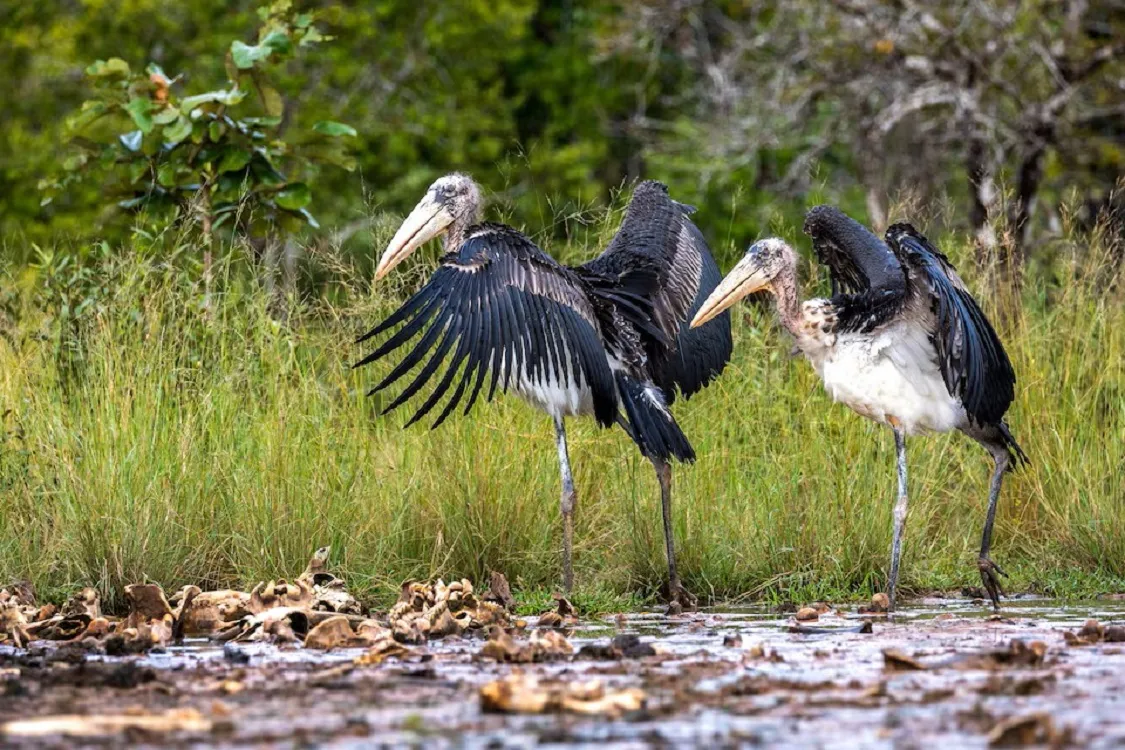
The Greater Adjutant Stork, recognizable by its large black wings and long neck, has seen its conservation status improve from Endangered to Near Threatened on the IUCN Red List due to decades of conservation efforts. However, their future remains "precarious."
Willis noted that a single "big event" could cause severe population loss in Cambodia, emphasizing that captive breeding is essential to avert the threat of extinction.
The ACCB conservation centre in Siem Reap currently houses three rescued pairs, but only one pair has successfully produced chicks.
Storks rescued from wildlife traffickers often lack the natural parenting skills needed to rear their young successfully in captivity.

Researchers do not expect the newly released birds to immediately join the wild population or migrate, as migratory behavior is typically learned from adult colony members.

Survival over the first three to four months in the wild will be deemed a success.This inaugural release is crucial for developing the proper protocol for the conservation of Greater Adjutants and potentially other similar species of storks, such as the Lesser Adjutant.