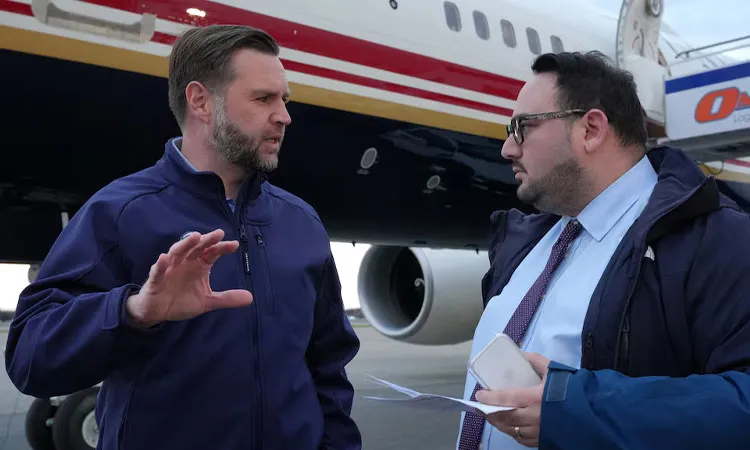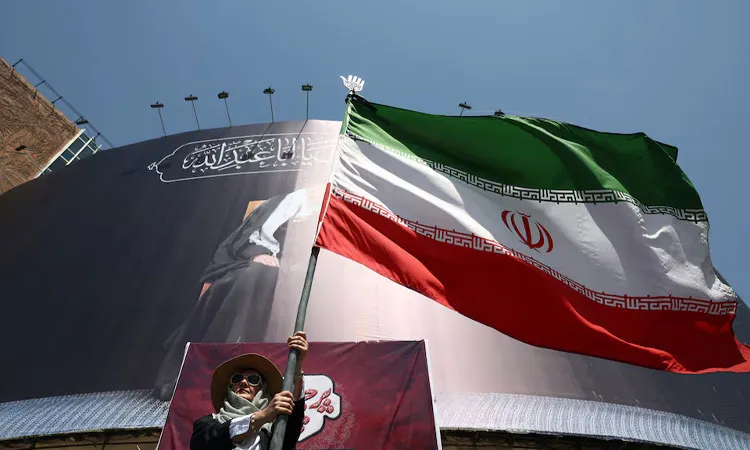
The United States and Iran are holding indirect technical talks in Qatar aimed at stabilizing the critical Strait of Hormuz and forging a permanent peace deal. U.S. Vice President JD Vance reported that the discussions are progressing well, assuring that Washington will not resume full-scale combat operations unless strictly necessary.
Brokered by Qatar and Pakistan, the Doha negotiations build upon a 14-point interim accord signed last month. This agreement paused a war triggered by U.S.-Israeli strikes on Iran in February. Despite recent retaliatory skirmishes over the pact's interpretation, both sides are attempting to resolve complex geopolitical issues.
The immediate focus of the talks is commercial shipping in the Strait of Hormuz, a waterway responsible for a fifth of global oil trade. Iran seeks international recognition of its authority over the strait and the unfreezing of $6 billion in state assets. The U.S. remains focused on guaranteeing the free, uninterrupted flow of global maritime traffic. According to Vance, the dialogue will eventually shift to Tehran’s nuclear capabilities.
President Donald Trump, navigating domestic economic pressures ahead of the November midterm elections, stated that Iran’s denuclearization is "moving along well." In Tehran, the leadership is simultaneously grappling with severe economic strain exacerbated by the recent conflict.
The broader war has deeply impacted the region, disrupting energy markets and escalating a parallel crisis in Lebanon between Israel and Hezbollah. While global oil prices have dipped back to pre-war levels, regional stability remains highly fragile.