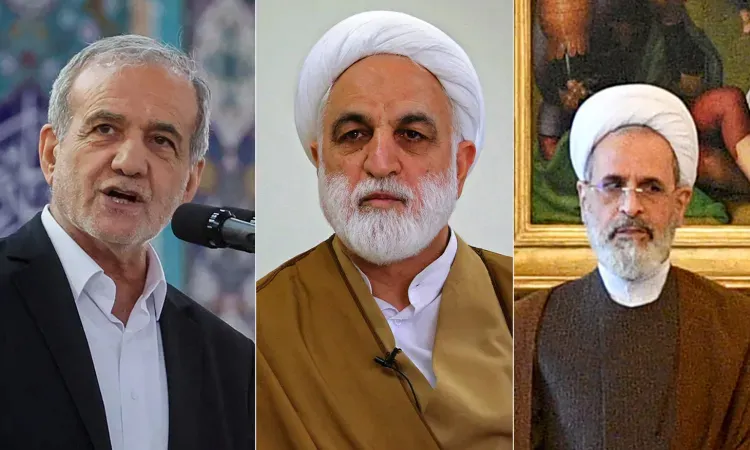
Iran has announced a three-member interim leadership council to run the country following the killing of Supreme Leader Ali Khamenei in joint Israeli-United States strikes.
The Iranian government has vowed to retaliate for Khamenei’s death. Since the attack, Tehran has launched strikes targeting Israeli and US-linked assets across several Gulf countries, sharply escalating regional tensions.
While US President Donald Trump has publicly called for a change in Iran’s government, Iran’s religious leadership moved quickly to activate constitutional procedures for succession.
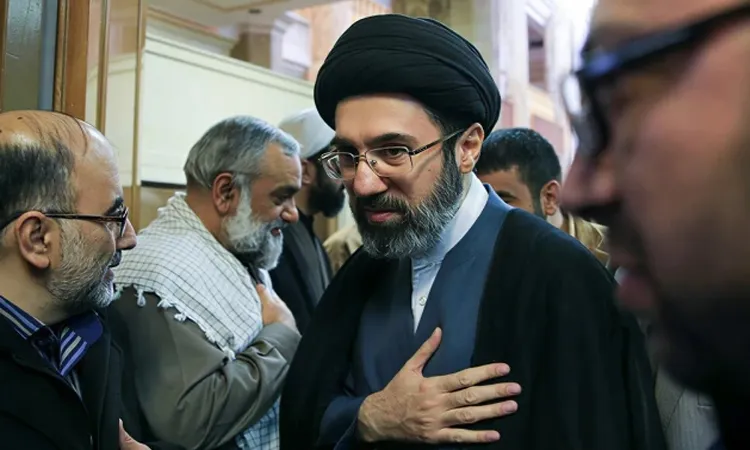
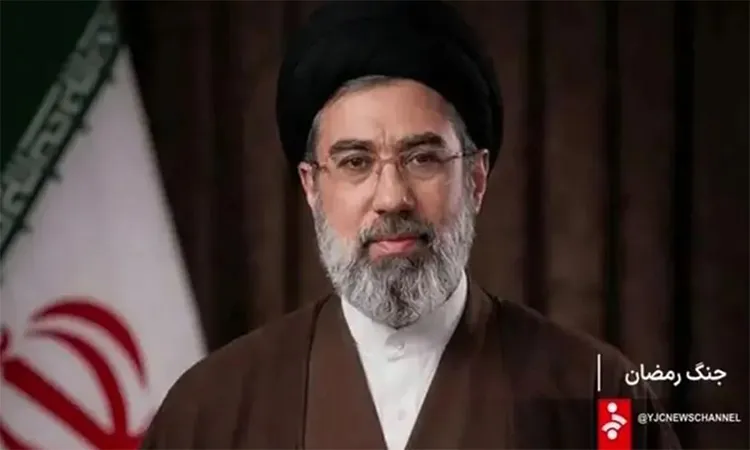
Under Article 111 of Iran’s Constitution, a temporary leadership council assumes the supreme leader’s duties until a successor is chosen. The interim council includes President Masoud Pezeshkian, Chief Justice Gholam-Hossein Mohseni-Ejei, and senior cleric Alireza Arafi, a member of the Guardian Council.
Who Are the Interim Leaders?
Ayatollah Alireza Arafi has been a member of the Guardian Council since 2019. The council reviews laws to ensure they comply with Islamic principles, vets election candidates, and oversees national elections. Arafi also serves as deputy head of the Assembly of Experts, which is responsible for selecting the supreme leader. He leads Friday prayers in Qom and oversees Iran’s nationwide religious seminary system.
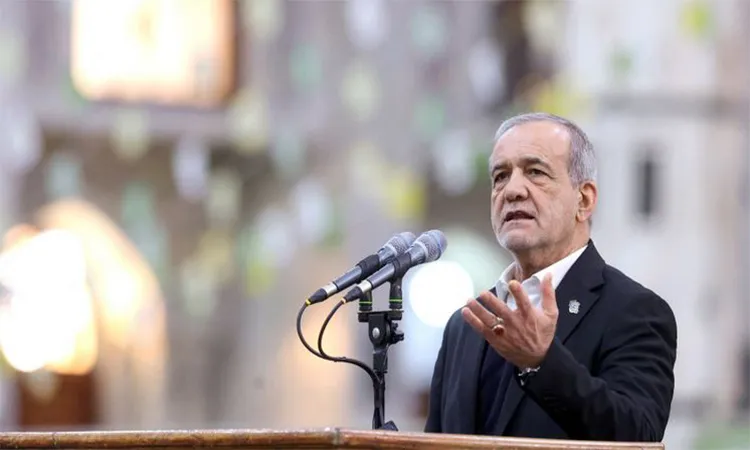
President Masoud Pezeshkian, 71, is a reform-minded politician and heart surgeon. A former army doctor during the Iran-Iraq War, he served as health minister under President Mohammad Khatami and later represented Tabriz in parliament. After losing earlier presidential bids, he won the 2024 election on a reform platform focused on economic stability, easing social restrictions, and measured engagement with the international community.
Following Khamenei’s killing, Pezeshkian said Iran considers it its “duty and right” to retaliate against those responsible.
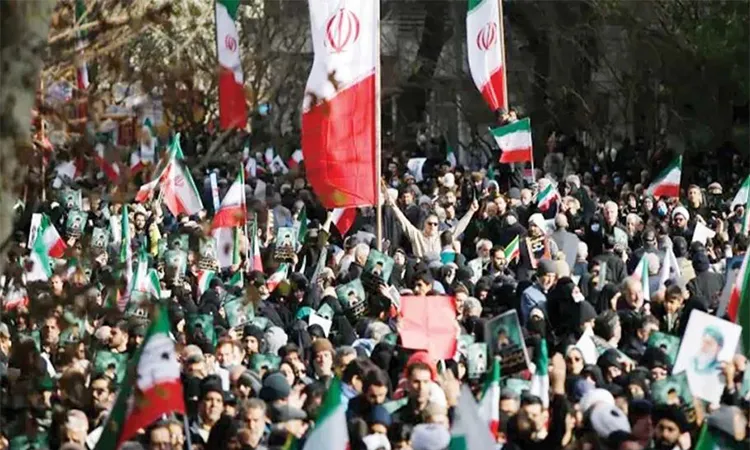
Chief Justice Gholam-Hossein Mohseni-Ejei has led Iran’s judiciary since July 2021. He previously served as intelligence minister and prosecutor-general and is widely seen as a hardline figure aligned with conservative factions. During protests earlier this year triggered by economic hardship, he warned that authorities would show “no leniency” toward unrest.
Mohseni-Ejei has accused the United States and Israel of backing internal unrest, claims he repeated after Trump publicly urged Iranians to rise against their government following the latest attacks.
The formation of the interim council marks a critical moment for Iran as it faces military confrontation abroad and uncertainty over its future leadership at home.