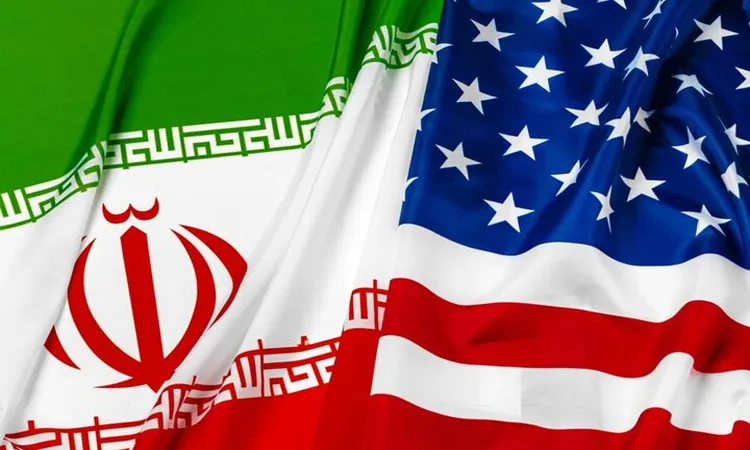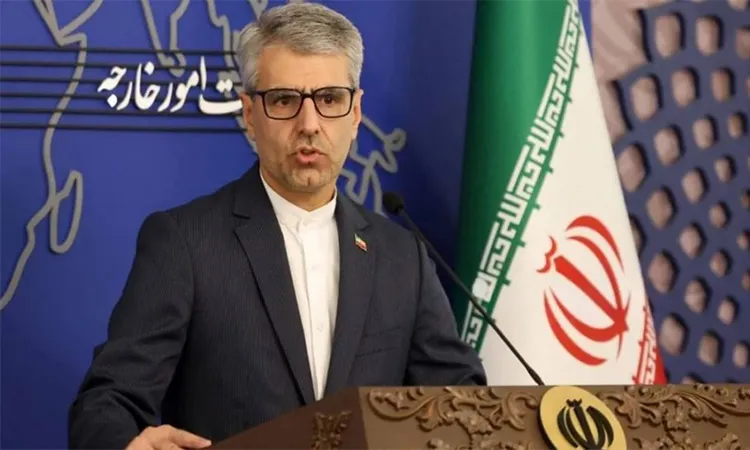
The Iranian Foreign Ministry has officially dismissed U.S. President Donald Trump’s claims of "fruitful talks" with Tehran, labeling them as baseless and a "psychological ploy."
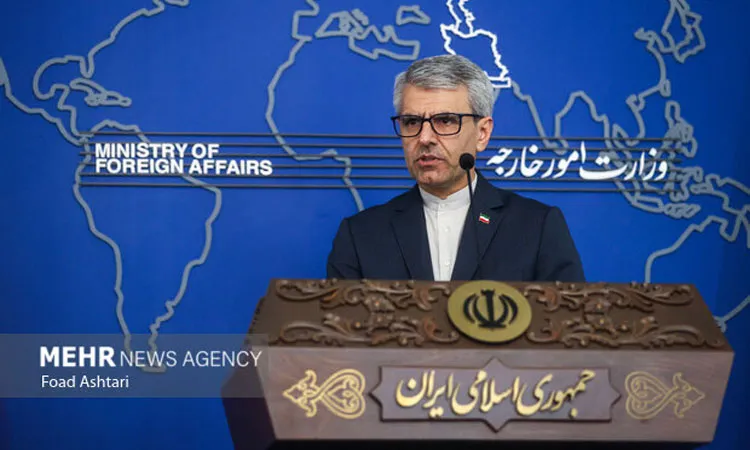
In an exclusive interview with India Today on Wednesday (March 25), Iranian Foreign Ministry spokesperson Esmail Baghaei stated in stern terms that no dialogue or agreement currently exists with Washington.
Recalling what he described as a disastrous history of U.S. diplomacy, Baghaei noted that Iran’s previous attempts at negotiation were met with aggression.
"Our experience with the U.S. is catastrophic," Baghaei said. "Over the last nine months, whenever we approached the negotiating table to resolve nuclear issues, we faced major attacks. This is a betrayal in the name of diplomacy."
The denial follows several days of claims by President Trump that his administration is engaged in "very good" talks and that Iran is "desperate" for a deal to end the current conflict. Trump suggested these talks involved significant offers regarding Iran's energy sector and the Strait of Hormuz.
While Tehran acknowledged that neutral third parties—including Pakistan, Oman, and Qatar—have offered to mediate, officials insist they have not responded. Iranian policymakers view Trump’s rhetoric as a tactic to manipulate global oil markets rather than a sincere diplomatic outreach.
Iranian Parliament Speaker Mohammad Bagher Ghalibaf and Foreign Ministry officials have maintained a firm stance no negotiations will occur while attacks on Iran’s energy and military infrastructure continue.
Tehran insists that any future "deal" is contingent upon
A total halt to U.S. and Israeli military operations. Formal guarantees for future national security. Compensation for damages incurred during the recent conflict.
Despite reports of back-channel messages through regional mediators, analysts suggest Tehran is unwilling to show public flexibility. Following the heavy casualties from the joint U.S.-Israeli operations launched in February and the current internal political transition, the Iranian leadership views a public agreement now as a "surrender."
For now, the gap between Washington’s optimism and Tehran’s defiance suggests the path to a ceasefire remains fraught with distrust.