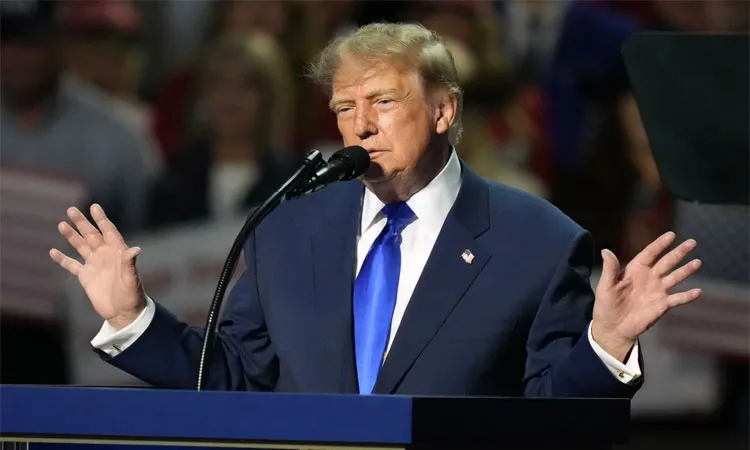
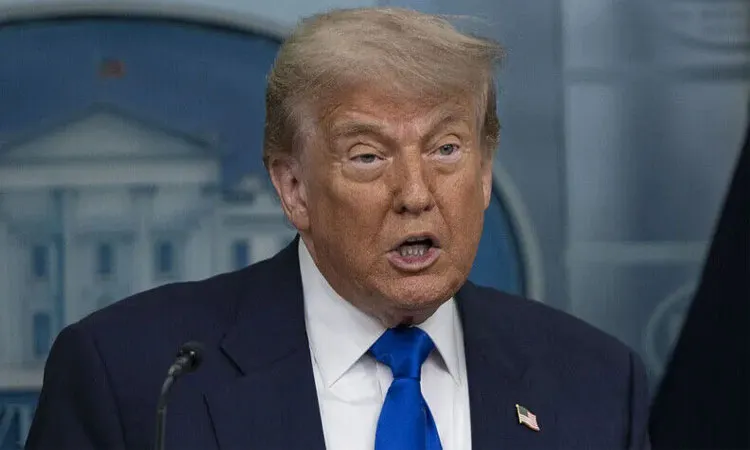
President Donald Trump met with top energy executives at the White House on Friday, urging them to invest $100 billion to rebuild Venezuela’s “rotting” energy infrastructure following the capture of Nicolás Maduro by U.S. forces.
The meeting underscores the administration's focus on oil as the centerpiece of its strategy for the South American nation. U.S. forces seized Maduro during an overnight raid in Caracas on Jan. 3.
"American companies will have the opportunity to rebuild Venezuela's rotting energy infrastructure and eventually increase oil production to levels never, ever seen before," Trump told executives from ExxonMobil, Chevron, and ConocoPhillips. Key Takeaways from the White House Summit: Production Goals: Trump aims to return Venezuela to—and eventually surpass—its 1970s peak of 3.5 million barrels per day. Price Impacts: The administration believes revitalized Venezuelan output will significantly lower U.S. energy prices. U.S. Control: Officials stated the U.S. intends to manage Venezuelan oil revenues indefinitely to ensure they are used to combat corruption and drug trafficking. Security Guarantees: Trump promised "total safety" for companies that invest, suggesting the U.S. Export-Import Bank could help mitigate financial risks. Industry Skepticism vs. Opportunity While the administration is pushing for a rapid $100 billion infusion, industry giants remain cautious. ExxonMobil CEO Darren Woods described the country as currently "uninvestable," citing a history of asset seizures. Both Exxon and ConocoPhillips saw their assets nationalized by the Venezuelan government nearly 20 years ago. Conversely, Chevron—the only U.S. major still operating in the country—expressed commitment to its existing joint ventures. Smaller independent firms and private equity players also showed interest, with some executives praising the administration's aggressive shift in policy.
Geopolitical Risks The U.S. continues to enforce an embargo, with a fifth Venezuelan oil tanker seized on Friday. While the administration frames the takeover as an economic and humanitarian opportunity, some Democratic lawmakers have labeled the strategy "extortion." Analysts warn that the new interim leadership must walk a fine line between maintaining domestic stability and satisfying U.S. demands.
Venezuela currently holds the world's largest oil reserves but contributes only 1% of the global supply due to decades of neglect and political turmoil.