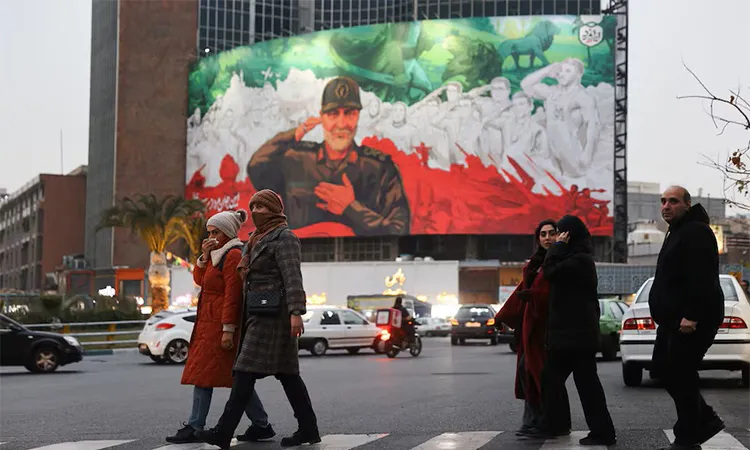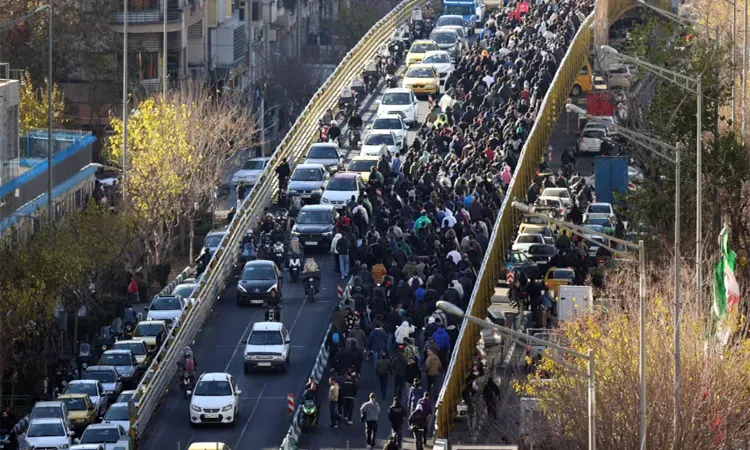
Demonstrations and strikes fueled by rampant inflation and the freefall of the Iranian rial have entered their third day, spreading from Tehran’s historic Grand Bazaar to at least eight other major cities.
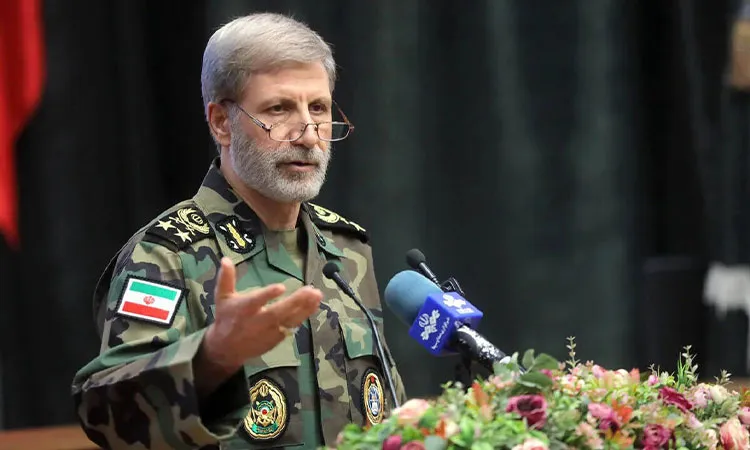
The unrest represents a significant challenge for President Masoud Pezeshkian’s administration as economic grievances evolve into broader political defiance.
The crisis peaked after the rial hit an all-time low against the US dollar, prompting shopkeepers to shutter businesses and university students to take to the streets.
Verified footage shows protests in Karaj, Hamedan, Qeshm, Malard, Isfahan, Kermanshah, Shiraz, and Yazd. Security forces have reportedly deployed tear gas in several locations to disperse crowds.
In a move to stabilize the economy, President Pezeshkian accepted the resignation of Central Bank Governor Mohammadreza Farzin, replacing him with former economy minister Abdolnasser Hemmati.
Protesters have moved beyond economic slogans, with students chanting against the Supreme Leader and some groups expressing support for the exiled son of the late Shah, Reza Pahlavi.
The unrest coincides with a high-level meeting between US President Donald Trump and Israeli PM Benjamin Netanyahu in Florida. Trump highlighted Iran's "bust" economy and warned of potential future air strikes should Iran resume prohibited nuclear activities.
President Pezeshkian has called for dialogue with "representatives" of the protesters, while maintaining a defiant stance against foreign military pressure, vowing "severe" responses to any external aggression.
Comment