In a major diplomatic breakthrough, Thailand and Cambodia agreed on Saturday to a total cessation of hostilities following nearly three weeks of intense border clashes. The conflict, which involved fighter jets, rockets, and heavy artillery, has been described as the worst fighting between the two Southeast Asian neighbors in years.
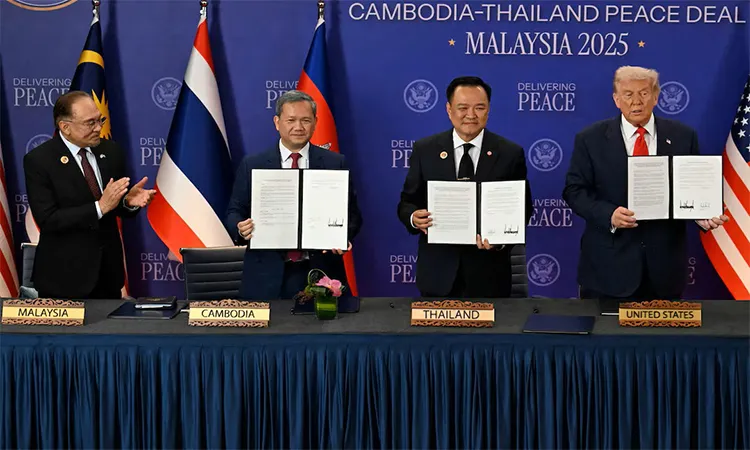
The agreement was signed at a border checkpoint by Thai Defence Minister Natthaphon Nakrphanit and Cambodian Defence Minister Tea Seiha. Key provisions include:
The ceasefire took effect at noon (0500 GMT) on Saturday. Both nations have agreed to maintain current deployments with a strict ban on reinforcements or further troop movements.
Thailand has committed to returning 18 Cambodian soldiers held since July, provided the ceasefire holds for at least 72 hours.
Both sides pledged to facilitate the return of displaced residents and vowed not to use force against civilians.
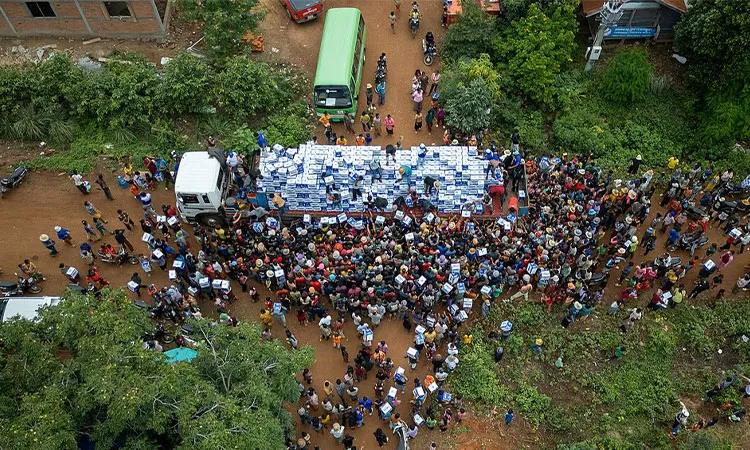
The 20-day escalation resulted in at least 101 deaths and the displacement of over half a million people across both sides of the 817 km (508 miles) border. This followed a breakdown in early December of a previous truce brokered by U.S. President Donald Trump and Malaysian Prime Minister Anwar Ibrahim.
To ensure the peace holds, the Association of Southeast Asian Nations (ASEAN) will deploy an observer team. Direct communication lines have also been established between the respective ministers of defense and chiefs of the armed forces.
While the truce halts active combat, it does not resolve the underlying century-old territorial disputes. The joint statement clarified that the pact will not impact ongoing border demarcation activities, which will continue through existing bilateral diplomatic channels.