- National
- Bangladesh
- Business
- International
- Sports
- Entertainment
- Politics
- Technology
- Life Style
- Religion
- Opinion
Saturday, 18 April 2026

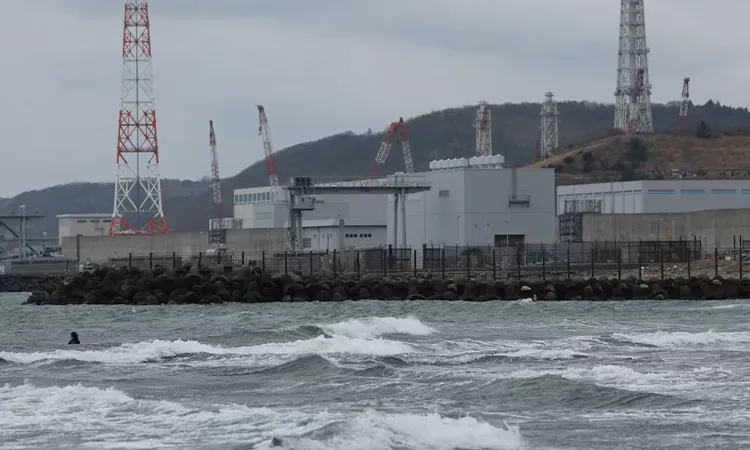
In a landmark decision that signals a major shift in Japan's energy policy, the Niigata prefecture assembly has officially voted to allow the restart of the Kashiwazaki-Kariwa nuclear power plant. This move marks the final regulatory and local hurdle for the world’s largest nuclear facility, which has been idle since the 2011 Fukushima Daiichi disaster.
The restart is viewed as a "watershed moment" for a nation that has spent nearly 15 years grappling with the trauma of the triple meltdown while simultaneously struggling with high energy costs and carbon emission goals.
On Monday, Niigata Governor Hideyo Hanazumi received a vote of confidence from the local assembly, effectively granting the legal green light for Tokyo Electric Power Co (TEPCO) to resume operations.
This is the first time TEPCO—the utility responsible for the failed Fukushima plant—will be permitted to operate a nuclear facility since 2011. While the company has pledged 100 billion yen ($641 million) in local investments over the next decade, public trust remains low.
While TEPCO officials have not confirmed a specific date, reports suggest the first of seven reactors could be reactivated as early as January 20.
Under Prime Minister Sanae Takaichi, Japan is aggressively pursuing nuclear restarts to reduce its heavy reliance on imported fossil fuels (which currently provide 60-70% of its power) and to meet the soaring electricity demands of AI data centers.
The decision was met with protests outside the assembly. Many residents, including evacuees from the original Fukushima exclusion zone, expressed deep-seated fears regarding safety protocols and TEPCO's operational integrity.

The restart of just one reactor at Kashiwazaki-Kariwa is estimated to increase the Tokyo area's electricity supply by 2%. Nationally, Japan aims to double nuclear power’s share of the energy mix to 20% by 2040 to stabilize costs and meet decarbonization targets.
Comment