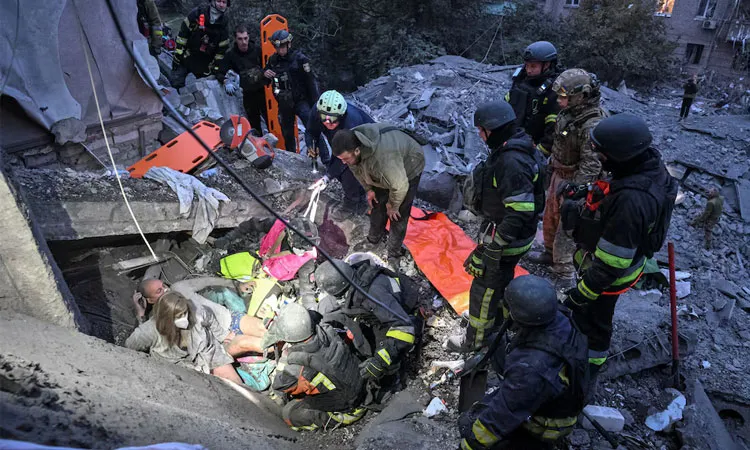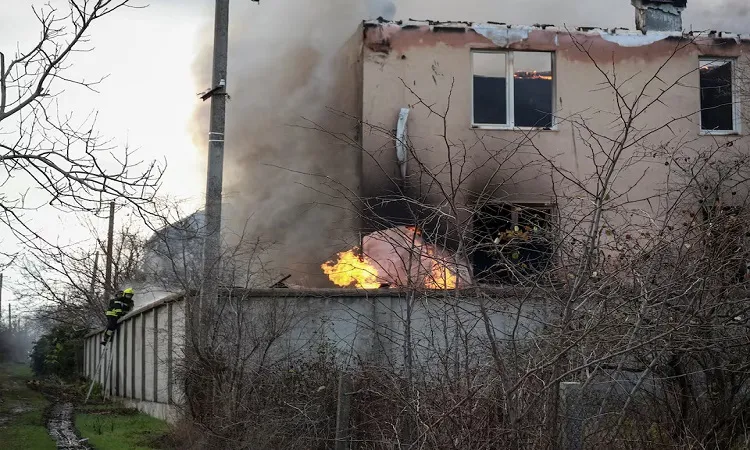
More than a million households in Ukraine are without electricity following a massive barrage of overnight Russian strikes that targeted energy and industrial infrastructure across five regions. The attacks, described by President Volodymyr Zelensky as involving over 450 drones and 30 missiles, mark an intensification of strikes as Ukraine heads into winter.
Internal Affairs Minister Ihor Klymenko confirmed that the strikes hit five regions Dnipropetrovsk, Kirovohrad, Mykolaiv, Odesa, and Chernihiv leaving over a million households without power. At least five people were reported injured.
The International Atomic Energy Agency (IAEA) reported that the Russian-controlled Zaporizhzhia nuclear power plant temporarily lost all offsite power due to the widespread military activity affecting the electrical grid, though it has since reconnected.
Russia's defense ministry confirmed using advanced weapons, including Kinzhal hypersonic missiles, which are difficult to track. Separately, a Ukrainian drone strike hit a residential building in Saratov, Russia, killing two people, according to regional governor Roman Busargin.
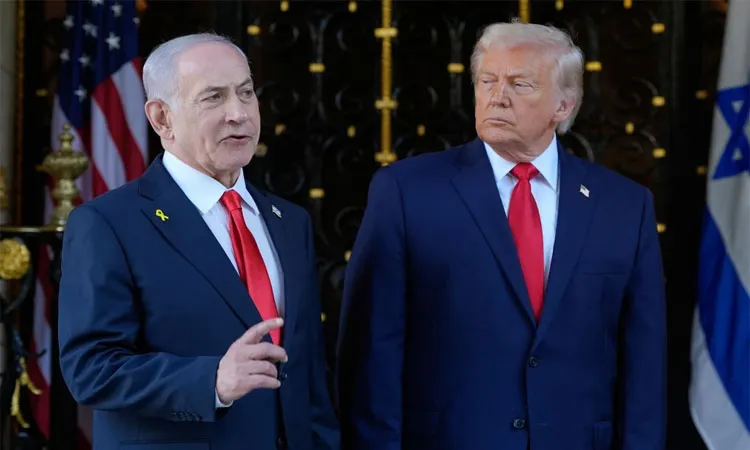
The energy crisis coincides with a major diplomatic push by the US administration to secure a peace deal by Christmas. US President Donald Trump's overseas envoy, Steve Witkoff, is traveling to Germany this weekend to meet with Ukrainian President Volodymyr Zelensky and European leaders to discuss the latest version of the proposed peace agreement.
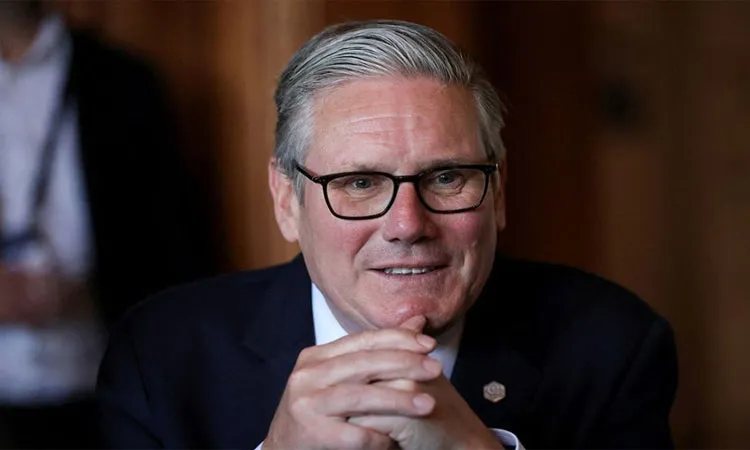
The meeting follows a flurry of diplomatic activity. Attendees expected to participate include UK Prime Minister Sir Keir Starmer, French President Emmanuel Macron, and German Chancellor Friedrich Merz. The meeting follows Ukraine submitting its revised version of a 20-point peace plan to the US.
The fate of the territory in eastern Ukraine remains the most intractable issue. Kyiv refuses to cede illegally occupied land, while Moscow intends to take the Donbas region in full. The White House's latest proposal suggests Ukraine's army pull out of the Donbas region, turning the land between Russian-controlled areas and Ukrainian lines into a demilitarized "special economic zone." Zelensky reacted skeptically to this proposal, questioning what mechanisms would "restrain [Russia] from advancing" into the vacated areas or "infiltrating disguised as civilians."
EU nations agreed on Friday to indefinitely freeze approximately €210 billion worth of Russian assets held in Europe, paving the way for the funds to potentially be loaned back to Ukraine to cover its projected need for an extra €135.7 billion over two years for military and rebuilding efforts. Russia condemned the move as theft. The latest version of the peace plan reportedly envisions Ukraine rapidly joining the European Union, potentially by January 2027, an element backed by Brussels.
Signs of diplomatic strain emerged as President Trump, in a recent interview, labeled European leaders "weak" and renewed calls for Ukraine to hold elections, which have been suspended since martial law began in February 2022. Zelensky said elections could be held within 90 days if security could be guaranteed by the US and Europe.