


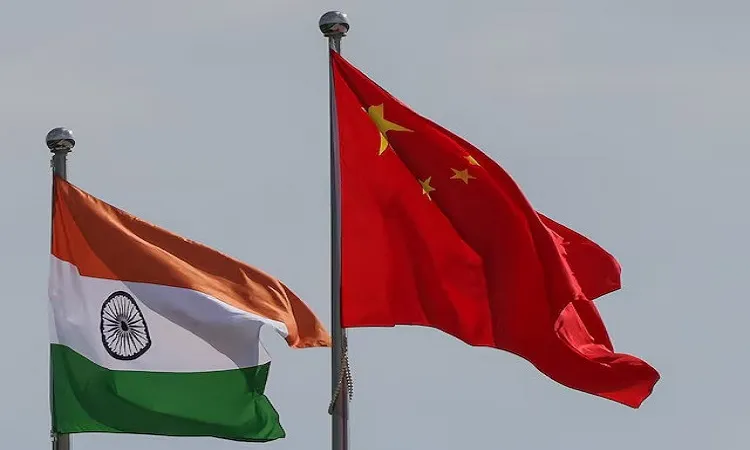
India has significantly reduced bureaucratic hurdles and "red tape" to expedite business visa approvals for Chinese professionals. According to two officials, this major policy shift aims to boost economic ties and resolve chronic visa delays that have reportedly cost Indian electronics output worth billions of dollars due to technician shortages.
New Delhi has dropped one layer of administrative vetting that was added following the mid-2020 Himalayan border clash between the nuclear-armed neighbors.
Business visa approval times have been shortened to less than a month (within four weeks), compared to the near-total blockage implemented after 2020, which widened vetting beyond the home and foreign ministries.
The stricter visa scrutiny led to estimated production losses of $15 billion over four years for Indian electronics makers, who rely on Chinese technicians for key machinery, according to the Observer Research Foundation. The solar industry and major Chinese companies like Xiaomi were also impacted.
The move is part of Prime Minister Narendra Modi's cautious effort to rekindle ties with Beijing. This follows Modi's visit to China earlier this year, where he met President Xi Jinping. Both countries subsequently resumed direct flights, suspended since 2020.
India's warming ties with China also follow the surprise levy of high tariffs (50%) on Indian goods by U.S. President Donald Trump. This prompted India to "reshape its diplomatic calculus," strengthening ties with China and Russia while continuing negotiations with the US.
The Indian Cellular and Electronics Association (ICEA) welcomed the decision, stating it "reflects a collaborative approach" and is crucial as India scales up its production capabilities. Officials, speaking on condition of anonymity, confirmed that the issues around securing business visas have been "completely resolved" and that the government is "cautiously easing some rules around restriction on China."
Chinese foreign ministry spokesperson Guo Jiakun acknowledged the "positive action" from India and expressed willingness to maintain communication to continuously enhance the level of facilitation for exchanges.
The policy easing was prompted by recommendations from a high-level committee headed by former cabinet secretary Rajiv Gauba, which is also working to ease investment curbs on China that have hurt foreign investor sentiment.

