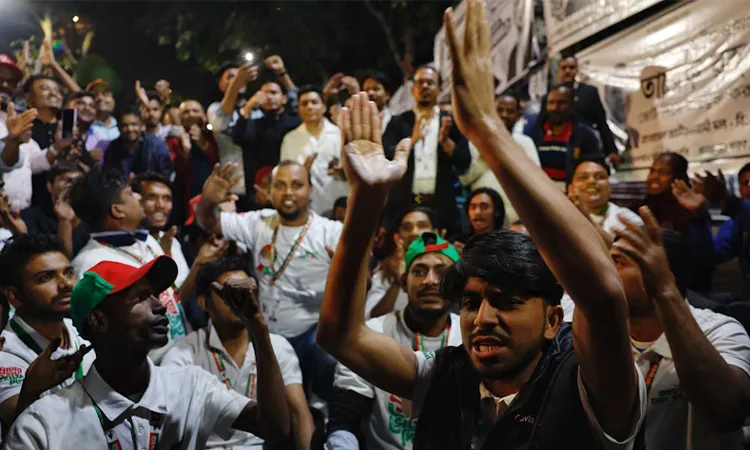
The Bangladesh Nationalist Party (BNP) has secured a commanding majority in Thursday’s parliamentary elections, marking a historic shift in the nation’s political landscape.
Local television projections indicate the party and its allies have won at least 212 seats in the 300-member Jatiya Sangsad, surpassing the two-thirds majority threshold.
This pivotal vote was the first since the 2024 Gen Z-led uprising that ended the 15-year rule of Sheikh Hasina. Tens of millions of Bangladeshis participated in a process widely seen as a test for the country's democratic restoration.
A Mandate for Change
Following the confirmation of a majority during the overnight count, the BNP urged supporters to remain calm and forgo victory rallies. Instead, the party called for nationwide special prayers on Friday.
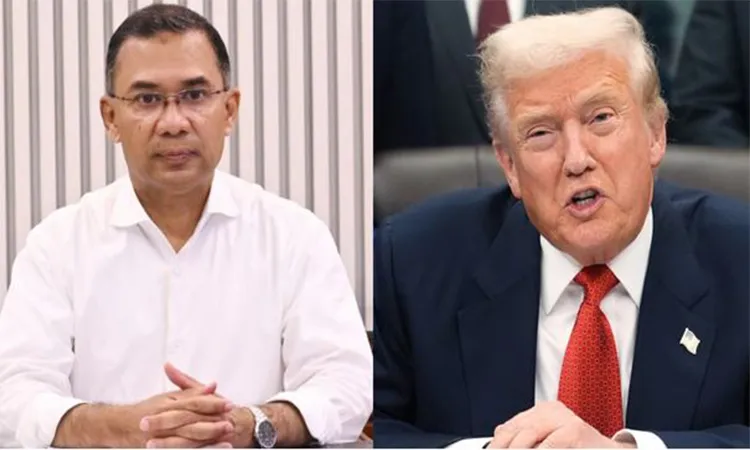
Tarique Rahman, the BNP Chairman set to become the next Prime Minister after 17 years in exile, has pledged to restore democratic institutions. A 10-year term limit for the Prime Minister. Direct financial aid for low-income families. Aggressive anti-corruption measures and economic revitalization.
While the landslide victory grants the BNP the legislative power to pass reforms efficiently, analysts warn that lasting stability depends on rebuilding trust in the rule of law and avoiding political retaliation.
The new administration also inherits a fragile economy. "Stabilization will be gradual," one expert noted, citing "structural challenges such as inflation, foreign exchange pressures, and banking sector vulnerabilities."
International leaders were quick to respond. Indian Prime Minister Narendra Modi congratulated Tarique Rahman on social media, expressing a desire to strengthen bilateral ties. Pakistan’s Prime Minister Shehbaz Sharif also extended his felicitations to the people of Bangladesh.

However, domestic friction remains. Jamaat-e-Islami, the other major contender, expressed dissatisfaction with the result process. The party alleged that its candidates lost "narrowly and suspiciously" and criticized the Election Commission for a lack of transparency regarding voter turnout.
Despite these claims, Jamaat leader Shafiqur Rahman initially signaled a peaceful stance, vowing to avoid "opposition for the sake of opposition."