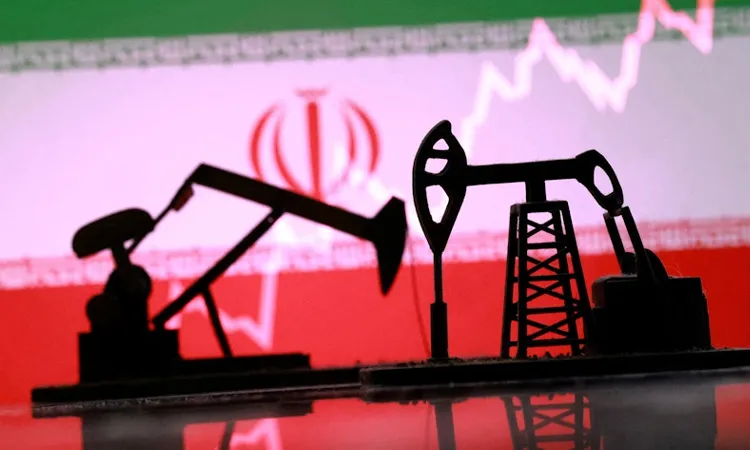
Global oil prices rose sharply on Monday amid escalating tensions in the Middle East after Iran threatened to target critical energy infrastructure in response to potential attacks on its power sector.
Benchmark Brent crude climbed to $113.76 per barrel, while U.S. West Texas Intermediate (WTI) rose over 3% to $101.32, reflecting heightened market volatility and supply concerns.
The tensions intensified after former U.S. President Donald Trump warned that Iran’s power facilities could be “obliterated” if it failed to reopen the strategically vital Strait of Hormuz within 48 hours. In response, Iran’s Revolutionary Guards threatened retaliation against Israel’s power plants and infrastructure supplying U.S. bases in the region.
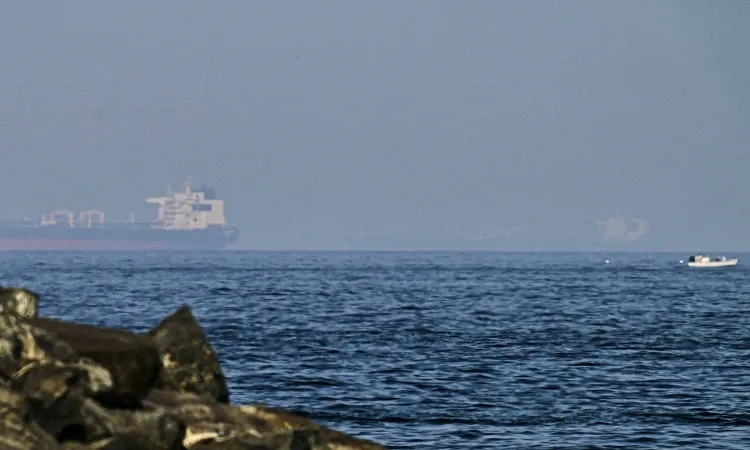
Analysts warn that the crisis could severely disrupt global oil supply. Estimates suggest a potential loss of 7 to 10 million barrels per day if the conflict escalates further. The Strait of Hormuz, through which about 20% of global oil and liquefied natural gas passes, has already seen shipping disruptions.
The situation has also impacted regional production. Iraq declared force majeure on oilfields operated by foreign companies, while output at Basra Oil Company dropped significantly to 900,000 barrels per day from 3.3 million.
Energy experts say the crisis could surpass the scale of past oil shocks. Fatih Birol, Executive Director of the International Energy Agency, described the situation as “very severe,” warning of long-term consequences for global energy markets.
Meanwhile, Russia opposed any blockade of the Strait of Hormuz, urging a broader global perspective on the conflict. In Asia, some refiners, including those in India, are reportedly considering resuming imports of Iranian oil to stabilise supply.
Market analysts caution that while short-term price movements are driven by geopolitical rhetoric, the longer-term outlook will depend on actual disruptions to oil flows in the Gulf region.