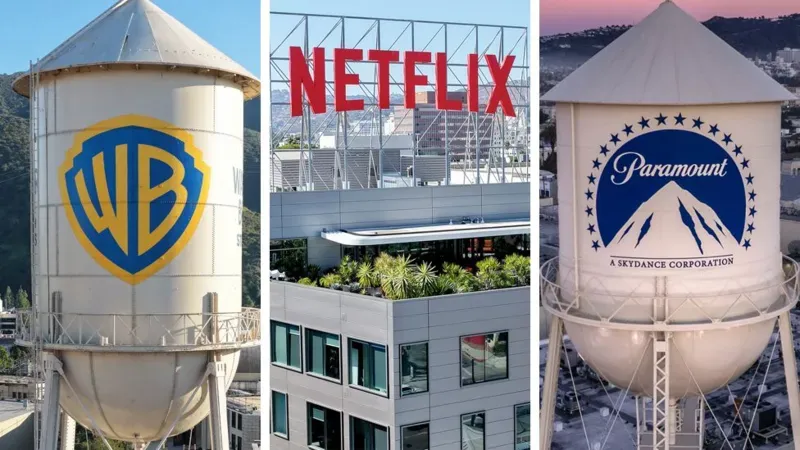
Warner Bros. Discovery (WBD) investors are divided over a huge $108.4 billion takeover offer from Paramount Skydance, leading to a critical situation that might jeopardize WBD’s current plan to sell its studio and HBO assets to Netflix.
Shareholders have until January 21 to decide if they will accept Paramount’s all-cash offer of $30 per share. The WBD board has advised investors to turn down the deal, labeling it an "inferior" option compared to the $82.7 billion merger with Netflix. Although Paramount’s price appears higher, WBD leaders claim the deal is a risky "leveraged buyout" that would burden the new company with $87 billion in debt.
The conflict has split some of WBD's key institutional investors: The Skeptics: Harris Oakmark, WBD’s fifth-largest shareholder, backs the board. "The value still isn’t clearly superior... a tie goes to the incumbent," stated partner Alex Fitch, pointing out the high costs of abandoning the Netflix deal.
The Supporters: Matthew Halbower from Pentwater Capital Management accused the board of failing in its fiduciary duty, claiming that Paramount’s offer is a better deal with a simpler route through regulatory approvals.
The Pragmatists: Mario Gabelli of Gabelli Funds mentioned he is "likely" to sell to Paramount, describing their all-cash bid as more straightforward than Netflix’s cash-and-stock proposal.
The Financial Consequences of Walking Away WBD cautions that moving from Netflix to Paramount would result in a $4.7 billion financial loss, which includes: a $2.8 billion breakup fee owed to Netflix, $1.5 billion in penalties for debt exchange, and $350 million in extra financing and banking costs.
Warner Bros. continues to be a "marquee" asset because of its iconic library, featuring Harry Potter, Game of Thrones, and the DC Universe. Recent hits like the Canadian hockey romance Heated Rivalry—for which HBO Max recently obtained U.S. and Australian rights—have underscored the lasting value of its streaming service.
The ultimate result depends on large passive fund managers such as Vanguard, BlackRock, and State Street, who collectively hold 22% of WBD. Interestingly, all three are also leading investors in Netflix and Paramount, positioning them at the heart of Hollywood's most significant power conflict in years.