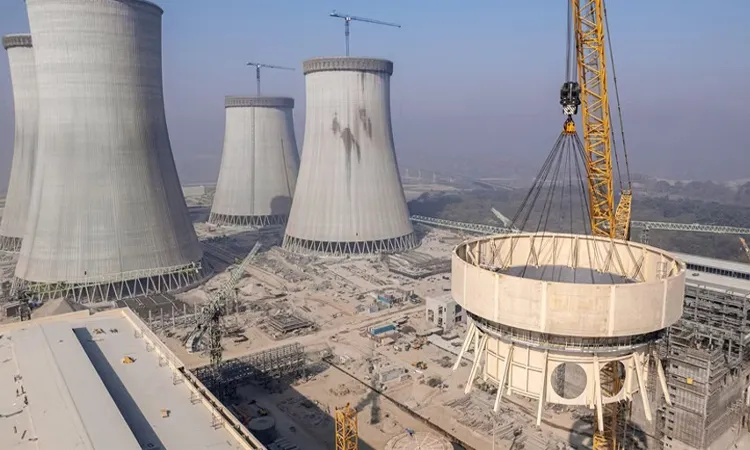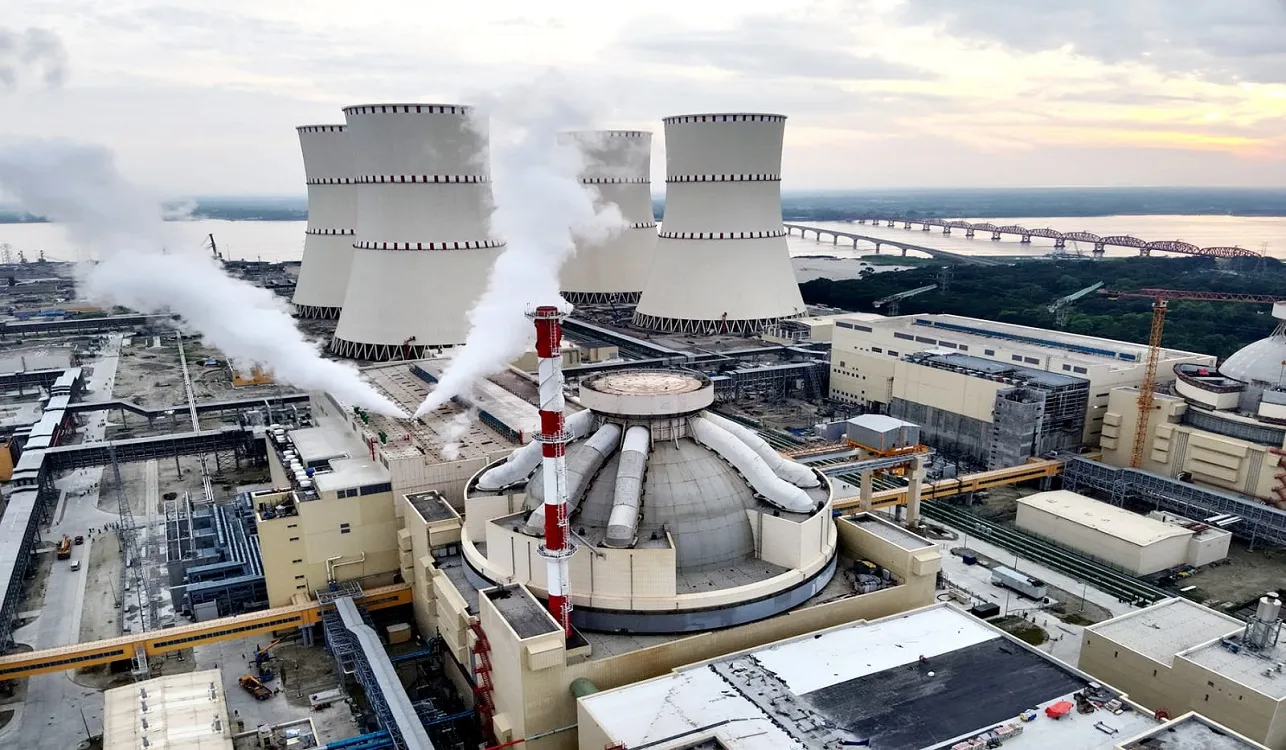
The nation's inaugural nuclear power facility, Rooppur, is set to be safe, dependable, economical, and environmentally sustainable, according to Dr. Zayedul Hasan, Managing Director of Nuclear Power Plant Company Limited (NPCBL). Once operational, the plant will provide continuous and affordable electricity for an extended period, which cannot be achieved through any other energy source, he stated.
Energy specialists indicate that the current per capita electricity generation in the nation stands at approximately 433 kilowatt-hours. To transition from a developing to a developed nation, this figure must rise to 800 kilowatt-hours by 2030 and 1,500 kilowatt-hours by 2041. This is crucial as per capita electricity consumption is a key indicator of a country's development. Given that electricity influences all facets of life, ensuring a steady and cost-effective supply of electricity is essential for sustaining the development trajectory.
Dr. Zayedul Hasan, Managing Director of NPCBL, remarked, “Nuclear energy is becoming increasingly significant in the global energy landscape due to its safety, reliability, cost-effectiveness, and eco-friendly characteristics. The operational and maintenance expenses of a nuclear power facility are lower than those of any fossil fuel-based plant. A nuclear plant has a lifespan of 60 years, which can be extended to 80 or even up to 100 years in certain instances. In comparison, a fossil fuel plant typically lasts a maximum of 25 years. Therefore, while the initial construction costs may be higher, nuclear energy proves to be the most economically viable option in the long term. Tirtha Das, the Development Manager at the Atomic Information Center in Dhaka, stated that while solar power is renewable and eco-friendly, it should not be viewed as the sole solution. The theoretical maximum efficiency of solar power is merely 33.16 percent, and in practice, it tends to be even lower. If solar panels were to be installed over an area comparable to that of the Rooppur project, they would only generate 8 megawatts of electricity, in contrast to Rooppur's capacity of 2,400 megawatts. Consequently, these two energy sources are not comparable regarding land utilization.
He also mentioned that the efficiency of solar panels deteriorates rapidly due to factors such as dust, smoke, hail, storms, and ultraviolet rays from the sun. The country lacks an adequate system for disposing of panels once they are no longer functional, leading to the potential release of toxic substances that can cause cancer into the environment. Additionally, the unit cost of electricity is expected to rise further to offset the irreversible damage inflicted on the environment by coal-based power plants.
Tirtha Das remarked, "While the initial investment for constructing a nuclear power plant is substantial, nuclear energy emerges as the most profitable and sustainable option when evaluated over a century."