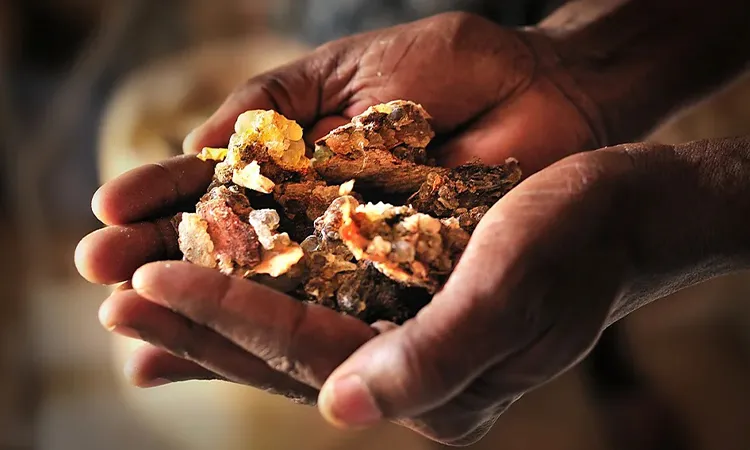
The ancient, aromatic resin known as frankincense is facing an existential crisis. Long associated with biblical offerings and royal rituals, the substance is now a cornerstone of the $5.6 trillion wellness industry. However, a combination of over-harvesting, climate change, and exploitative supply chains is decimating the Boswellia trees that produce it, particularly in the Horn of Africa.
As the global market is projected to double to $700 million by 2032, experts warn that without drastic intervention, production could drop by half within the next two decades.

Ecological Collapse: A 2019 study revealed that populations of B. papyrifera (a primary source in Ethiopia and Sudan) are collapsing. Over 75% of studied populations lack young trees due to cattle grazing, frequent fires, and "reckless tapping."
The Tapping Crisis: To meet rising demand, harvesters are making excessive incisions in tree bark. While traditional tapping is done sparingly, modern trees are often pushed beyond their limits, requiring over 10 years to recover from harvesting damage.

Economic Inequality: In Somaliland, harvesters are often trapped in "spot contracts." While frankincense can sell for $60-$100 per kg in Western markets, the local harvesters typically receive only $2-$5 per kg—a mere 3% of the final value.

Technological Solutions: New initiatives like the Dayaxa Frankincense Export Company (DFEC) are utilizing mobile apps and GPS-stamped photos to create "verifiable, data-driven traceability."4 This pilot program has already reached 8,000 harvesters and registered over 3,000 trees to monitor health and ethical sourcing.
A Call for Moral Leadership: Conservationists are urging high-profile users, such as the Catholic Church, to use their "soft power" to demand certified sustainable frankincense, which could trigger a ripple effect across the global market.
Comment