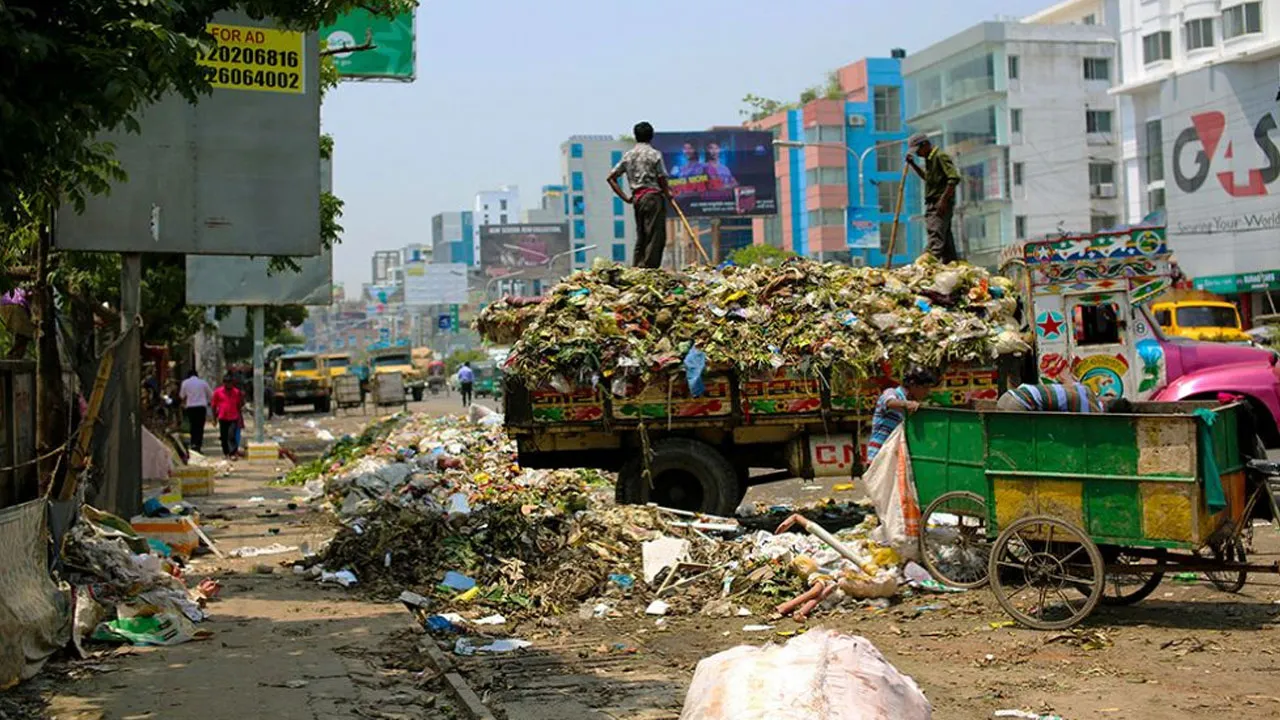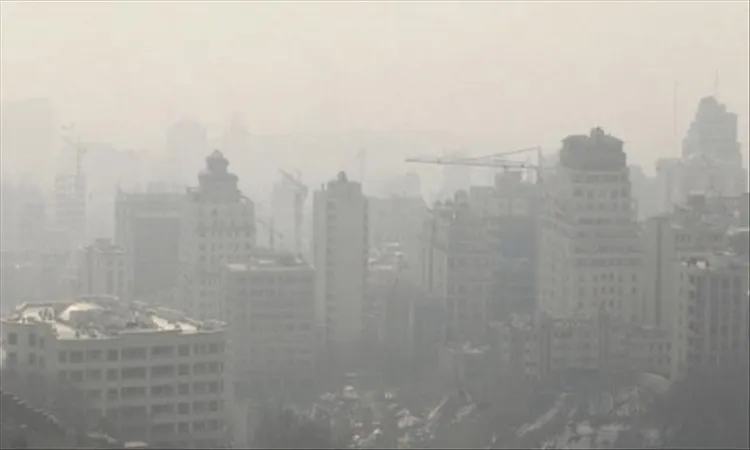
Dhaka, the capital of Bangladesh, registered an Air Quality Index (AQI) score of 167 at 9 am on Friday morning, ranking it as the 10th most polluted city worldwide. This score places the city's air quality in the 'unhealthy' category, signifying a health risk for all residents.
AQI Score: 167 (Classification: Unhealthy), Global Rank: 10th, Health Risk: Under the AQI scale, 'unhealthy' (151–200) means that some members of the general public may begin to experience health effects, and members of sensitive groups may experience more serious effects.
Dhaka followed cities like India's Delhi (385, Hazardous/Very Unhealthy), Vietnam's Hanoi (255, Very Unhealthy), and India's Kolkata (246, Very Unhealthy), which took the top spots.
Air quality in Dhaka typically deteriorates into the 'unhealthy' range during the winter months and sees improvement during the monsoon season.
The AQI in Bangladesh measures five main pollutants: particulate matter (PM10 and PM2.5), NO2, CO, SO2, and ozone.
The World Health Organization (WHO) estimates that air pollution is responsible for approximately seven million premature deaths globally each year, linked mainly to stroke, heart disease, lung disease, and respiratory infections.