A devastating airstrike in Kabul has left hundreds dead, turning Eid into a day of grief for many families still searching for their loved ones.
The strike, reportedly carried out by Pakistan, targeted what it described as militant infrastructure. However, according to the United Nations and Afghan authorities, a drug rehabilitation centre named “Omid” (Hope) was hit on Monday night.
Casualty figures remain disputed. The UN has confirmed at least 143 deaths, while the Taliban administration claims more than 400 people were killed and at least 265 injured. Officials warn the toll may rise further.
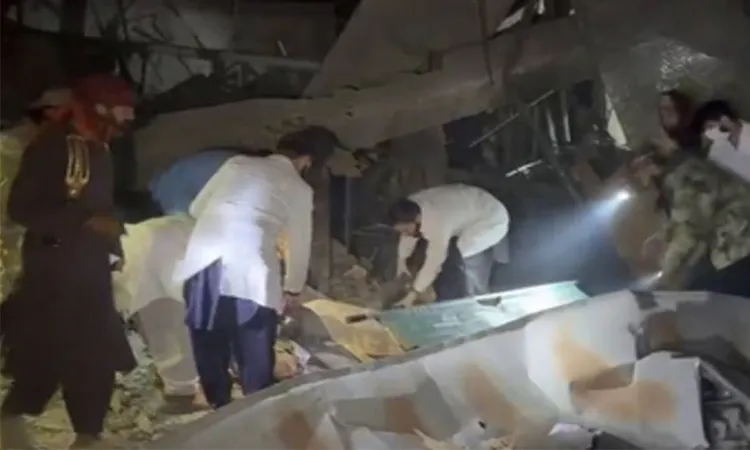
Many victims were patients undergoing treatment for drug addiction. The strike occurred shortly after evening Tarawih prayers during Ramadan, when patients had returned to their dormitories. Witnesses described a powerful explosion followed by fire that spread rapidly, trapping people inside.

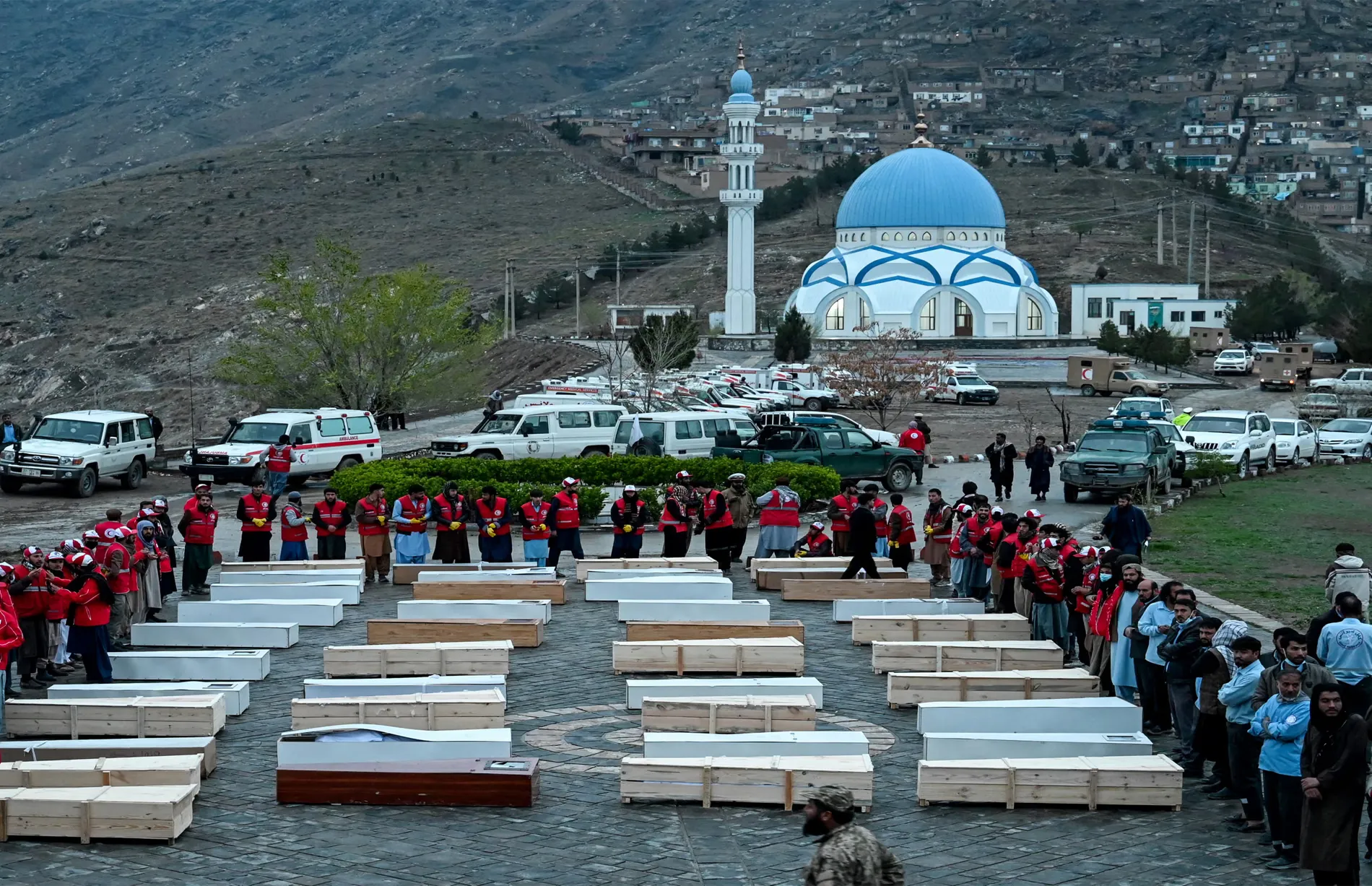
Survivors recounted horrific scenes. Some suffered shrapnel injuries, while others jumped from buildings to escape the flames. Emergency responders faced severe challenges, with reports of bodies burned beyond recognition. In many cases, remains were buried in mass graves without identification.
Families have been left in anguish. One man, Sohrab Faqiri, spent Eid searching for his brother’s grave after identifying him in a burial video. At the cemetery, he found unmarked graves, making it impossible to locate his brother’s resting place.
Aid workers and humanitarian organisations, including the International Federation of Red Cross and Red Crescent Societies, described the destruction as overwhelming. Rescue teams recovered body parts from the debris, and the smell of burning lingered long after the attack.
Medical facilities in Kabul treated dozens of wounded, many with severe injuries caused by shrapnel and collapsing structures. Some patients were close to discharge before the strike, having received rehabilitation and vocational training.
Pakistan has defended the strike, claiming it targeted militants operating from Afghan territory. In response, the UN has called for de-escalation and a renewed ceasefire, warning of rising civilian casualties.
The incident marks one of the deadliest strikes in Afghanistan since the Taliban returned to power in 2021, raising serious concerns over civilian safety and regional tensions.