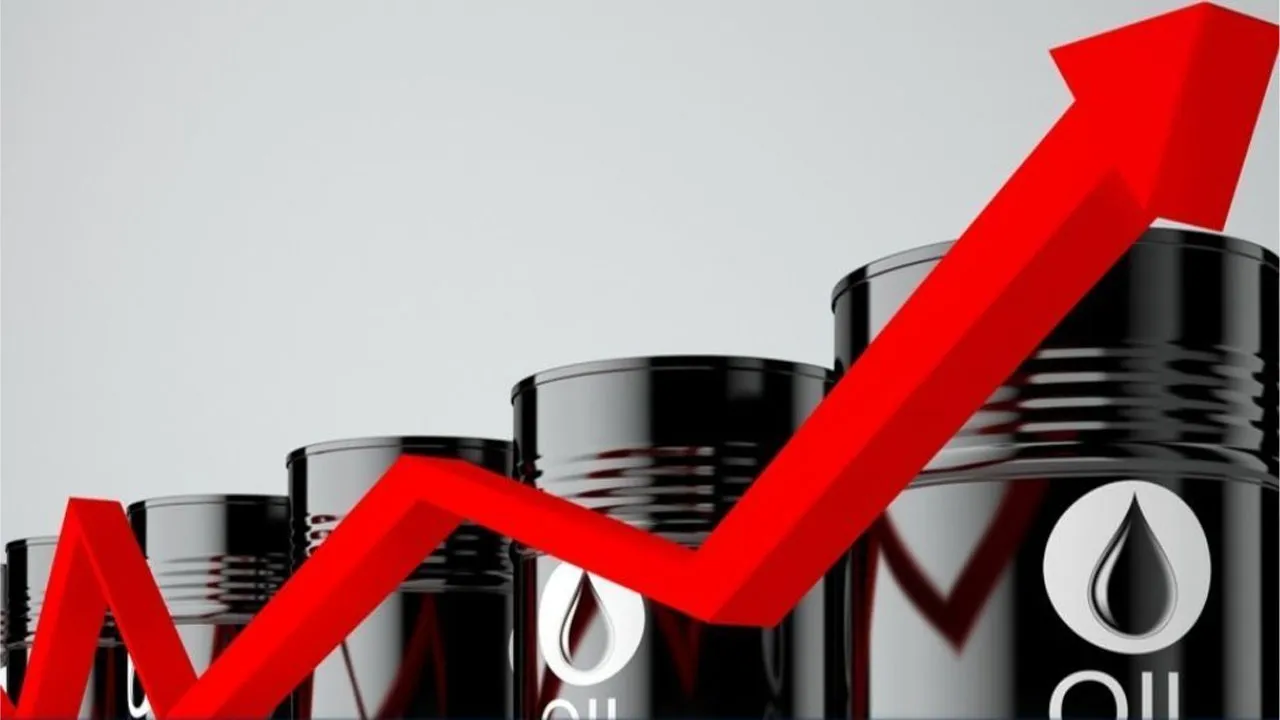
Global oil prices surged by over $3 a barrel on Monday following fresh geopolitical escalations in the Middle East. Reports of new Israeli airstrikes and explosions across Iran have intensified global supply shortage fears.
According to a Reuters report, Brent crude jumped 3.39% ($3.20) to $96.24 a barrel on Monday (June 8). Meanwhile, US West Texas Intermediate (WTI) crude climbed 3.17% ($2.87) to settle at $93.41.
The sharp spike reverses Friday’s brief market decline, which was fueled by temporary hopes of diplomatic easing between Washington and Tehran. Overall, global oil prices have rallied more than 50% since March. Supply Risks and Regional Conflict
Early Monday, explosions shook the Iranian capital of Tehran, as well as Tabriz and Isfahan, dimming hopes for a swift resolution to the ongoing conflict. The escalation directly threatens the Strait of Hormuz—a vital maritime chokepoint handling roughly 20% of the world's total oil transit.
Despite Iranian missile strikes on various Israeli targets on Sunday, US President Donald Trump maintained that a broader peace deal remains possible, noting he has urged Israeli Prime Minister Benjamin Netanyahu to exercise restraint.
Tehran has conditioned any potential agreement with the US on a sustained ceasefire in Lebanon. Israel began military operations in Lebanon this March following clashes with Iran-backed Hezbollah, though both sides recently agreed to a Washington-brokered truce on June 3. OPEC+ Production Hike Yields Minor Impact
To counter the deepening supply crunch, OPEC+ agreed on Sunday to its fourth consecutive production increase. However, energy analysts warn the move will do little to stabilize volatile prices.
"The actual impact of this production hike under current market conditions is close to zero," said George Leon, head of geopolitical analysis at Rystad Energy, citing ongoing infrastructure bottlenecks at the Strait of Hormuz and widespread production capacity constraints among member states.