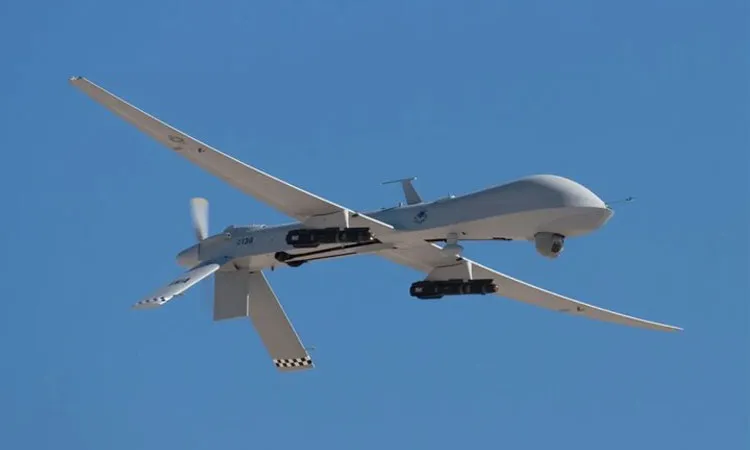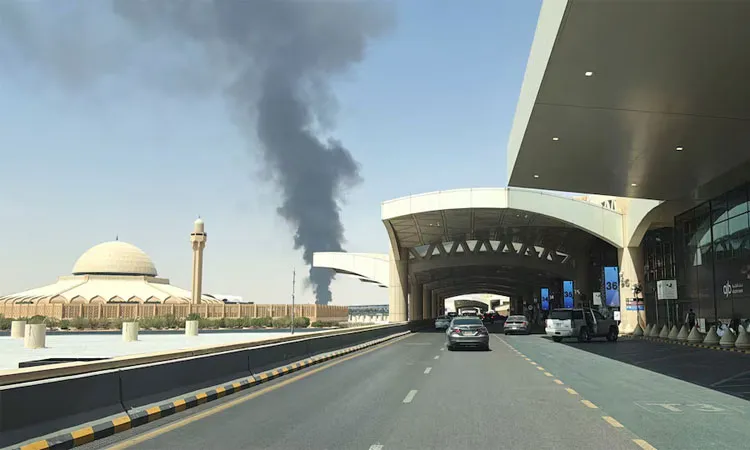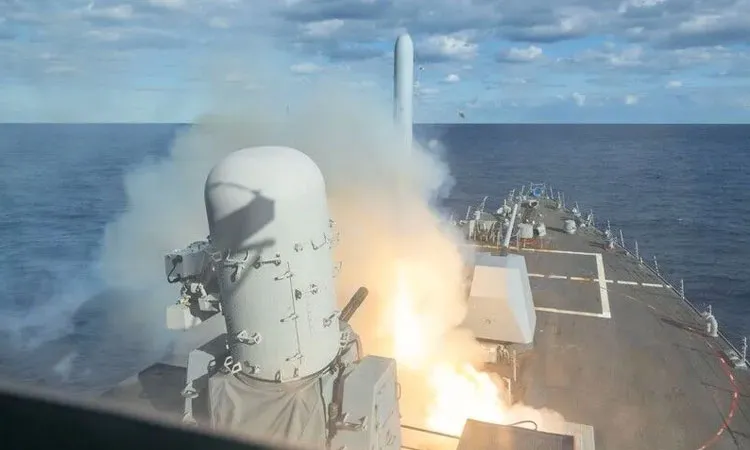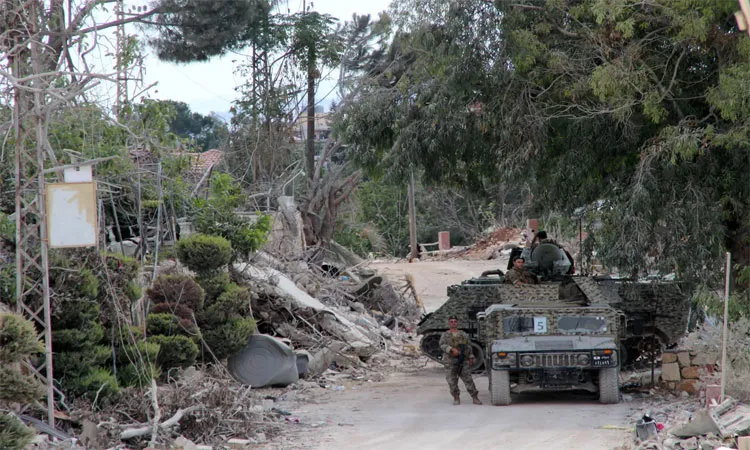
Following a 13-day US bombing campaign an uneasy calm has settled over the Middle East as both Washington and Tehran paused military strikes for a second consecutive day. The halt has opened a critical window for renewed diplomatic mediation brokered by Pakistan and Qatar.
US President Donald Trump abruptly suspended the airstrikes late Friday. While US Ambassador to the UN Mike Waltz stated the pause aims to give diplomacy "some room" US media reports indicate the decision was heavily influenced by military advisors. Top officials reportedly warned of depleted Patriot air defense missiles and the diminishing returns of a continued air campaign.

In response, Iran halted its retaliatory attacks on neighboring countries hosting US bases. A senior Iranian official confirmed Tehran’s strict "attack for attack" doctrine that Iranian operations will cease as long as Washington holds its fire. However, deep skepticism remains in Tehran, with officials viewing the US pause as a tactical maneuver rather than a genuine pivot to peace.
The two-week escalation triggered by disputes over shipping control in the strategic Strait of Hormuz has exacted a heavy toll. Iran’s Health Ministry reports 57 deaths and 629 injuries from the recent wave of US attacks. The conflict has also jolted global markets, pushing Brent crude oil prices above $100 a barrel after Iran’s Houthi allies initiated a blockade on Saudi oil in the Red Sea.
Mediators Islamabad and Doha have now proposed a joint de-escalation formula with urging both nations to revert to their pre-July 9 positions as a baseline for peace talks. While Iran is reviewing the proposal both sides remain fundamentally deadlocked over the administration of the Strait of Hormuz also leaving the region in a tense and fragile limbo.