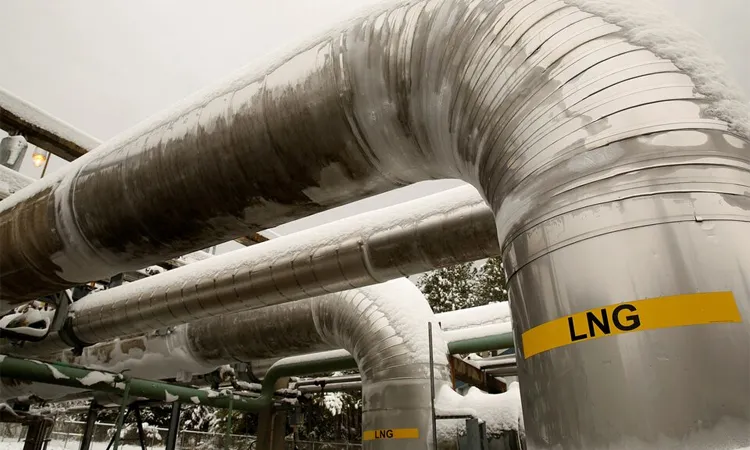
Bangladesh is moving to secure more than $2 billion in fresh external financing to stabilise its fuel and liquefied natural gas (LNG) supply, as global energy markets remain volatile due to the ongoing Iran-related conflict.
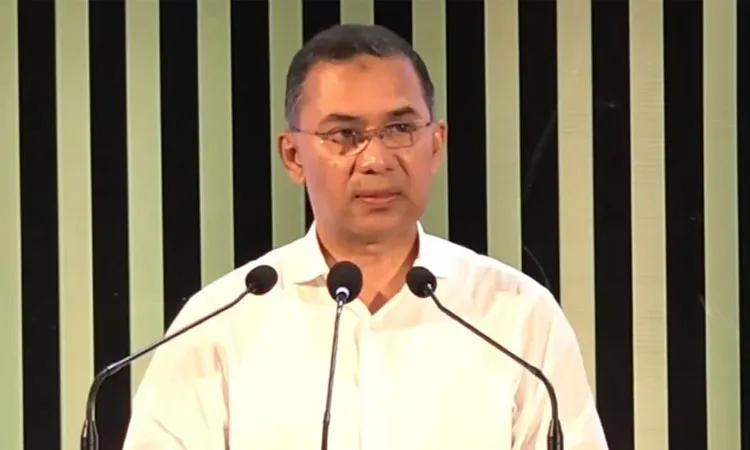
The government, led by Prime Minister Tarique Rahman, is in active discussions with major international lenders, including the Asian Development Bank (ADB), World Bank, International Islamic Trade Finance Corporation (ITFC), and Asian Infrastructure Investment Bank (AIIB), to ensure uninterrupted energy imports.
According to Finance and Planning Adviser Rashed Al Mahmud Titumir, Bangladesh expects around $1.3 billion from the International Monetary Fund (IMF) under an existing programme. In addition, the country is seeking $250 million to $500 million in extra funding, alongside প্রায় $500 million in budgetary support from the ADB.
The urgency of securing funds has intensified due to rising global oil and LNG prices and concerns over supply disruptions linked to Middle East tensions. Bangladesh, which depends on imports for প্রায় 95% of its energy needs, is particularly vulnerable to external shocks.
To reduce supply risks, the government is exploring new sourcing options, including the United States, Southeast Asia, Nigeria, and Middle Eastern producers. This diversification strategy aims to reduce overdependence on any single supplier.
Despite the rising cost of energy imports, the government has decided not to increase domestic fuel prices. Instead, it plans to absorb the pressure through external financing to prevent economic slowdown and maintain stability.
Officials also indicated that efforts are underway to accelerate the release of IMF funds within the current fiscal year, rather than waiting for the scheduled disbursement timeline.
Bangladesh currently adjusts fuel prices monthly based on a global pricing formula, but authorities are prioritising economic stability and consumer protection amid the ongoing global energy crisis.