The ongoing war in Iran has driven oil prices to multi-year highs and now threatens the global liquefied natural gas (LNG) market.
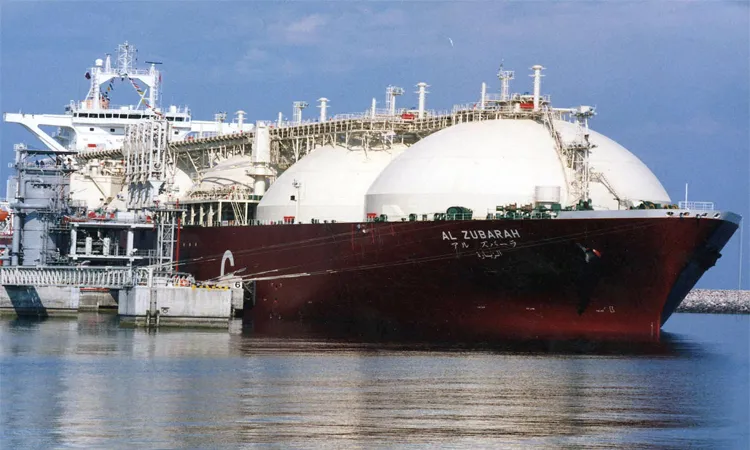
Qatar Energy reported that its Ras Laffan LNG hub, the world’s largest, sustained “extensive damage” after Iranian missile strikes twice within 12 hours. The facility, responsible for nearly 20% of global LNG exports, was already affected by the Strait of Hormuz blockade and halted production on March 2 following an earlier attack.
According to consultancy Wood Mackenzie, the latest attacks could disrupt global LNG supply for over two months, altering market dynamics worldwide. The strikes on Ras Laffan are seen as retaliation for Israeli attacks on Iran’s South Pars gas field, which supplies domestic electricity and pipelines to Turkey.
Countries in Asia and Europe are scrambling as LNG prices surge, raising electricity, heating, and fertilizer costs. Dutch natural gas futures, Europe’s benchmark, have doubled since the war began, while Asian prices rose 60–70%. The EU is considering price caps to manage soaring costs. Belgian PM Bart De Wever warned that structural energy shortages could pose severe risks to the European economy.
Asian nations are facing immediate impacts:
India has started rationing natural gas for manufacturers, limiting fertilizer plants to 70% of demand. Gas-based crematoriums in Pune temporarily closed.
Pakistan implemented school closures, a four-day government workweek, and remote work to manage shortages.
Bangladesh is highly vulnerable, with gas-fired plants generating half of its electricity, facing production cuts in industries like textiles.
Rising demand from Asia has increased competition for LNG cargoes globally, pushing European prices higher. Analysts also warn that Turkey may seek alternate LNG supplies if South Pars disruptions persist, adding further pressure on global markets.
The United States, the world’s largest LNG exporter, remains largely insulated but is part of the competitive global supply chain. Analysts stress that the Middle East conflict is sharply heightening energy insecurity across Asia and Europe.