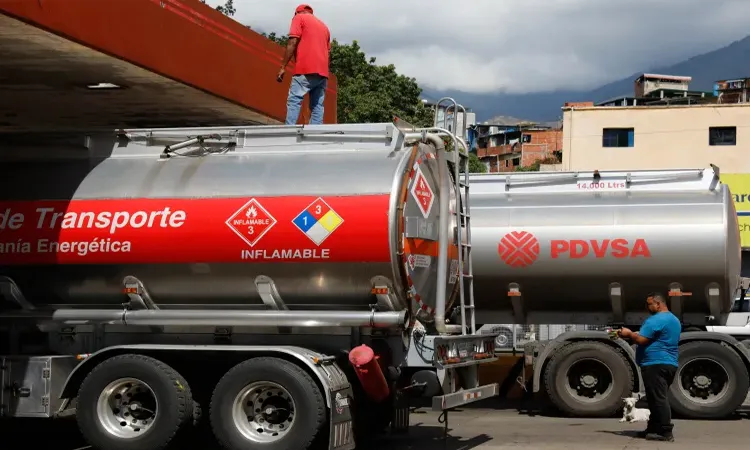
The U.S. Treasury Department issued a general license on Wednesday allowing U.S. companies to do business with Venezuela’s state-owned oil company, Petróleos de Venezuela S.A. (PDVSA).
While sanctions on PDVSA remain in place since 2019, the waiver is aimed at reactivating Venezuela’s oil production, encouraging foreign investment, and increasing global crude supply.
The license comes after U.S. forces captured Venezuelan President Nicolás Maduro in January, with the U.S. controlling the country’s oil proceeds through a special fund. It allows PDVSA partners, including Chevron, Shell, Repsol, Eni, BP, and global trading firms like Vitol and Trafigura, to operate oilfields, export crude, and receive payments through U.S.-controlled accounts.
The waiver excludes transactions involving Venezuelan bonds, equity in U.S. PDVSA subsidiaries, and dealings with sanctioned companies from Russia, China, Iran, North Korea, or Cuba. Payments via cryptocurrency or non-commercially reasonable transactions are also prohibited.
Venezuela’s oil production has risen to 1.05 million barrels per day (bpd), up from 878,000 bpd in January, as exports approach pre-blockade levels of around 900,000 bpd. Analysts warn that further production increases require infrastructure repairs, new supply agreements, and investments in dilapidated facilities.
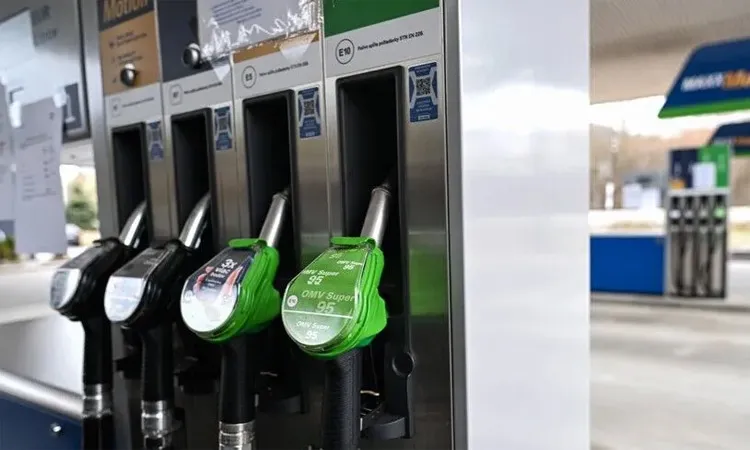
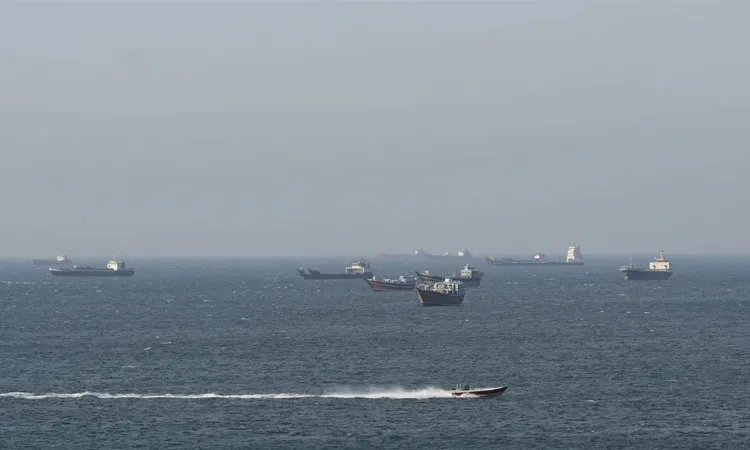
The license is part of the Trump administration’s strategy to stabilize global oil markets amid rising prices due to the ongoing U.S.-Iran conflict. The White House also announced a 60-day waiver of the Jones Act to ease domestic shipping restrictions, ensuring critical imports like oil, gas, and coal can flow more freely.
While the move may boost Venezuela’s economy and attract investors, critics say it could strengthen Maduro-aligned leadership amid ongoing economic hardship, hyperinflation, and human rights concerns.