Restoring law and order and rebuilding investor confidence are the biggest challenges for Bangladesh’s business sector, as the Bangladesh Nationalist Party-led government seeks to revive the economy, business leaders and economists say.
They stressed that political stability and clear economic policies are essential to boost investment and speed up recovery.
Business leaders said the sector suffered a major downturn during the 18-month tenure of the interim government following the 2024 mass uprising. Although some stability returned after the 13th parliamentary election on 12 February, economic activity has yet to recover significantly.
Business confidence and extortion concerns
President of the Dhaka Chamber of Commerce and Industry, Taskeen Ahmed, said stopping extortion must be the government’s top priority.
“To ensure a stable business environment, extortion must stop first. Corruption and bureaucratic complexity in government offices also need to be addressed,” he said.
He added that businesses still face extortion demands, even after the fall of the previous government. Factory owners often have to pay illegal fees for trucks entering and leaving their premises, increasing operational costs.
Business leaders warned that without institutional reforms, foreign and large domestic investors will remain cautious about long-term investments.
President of the Bangladesh Textile Mills Association, Showkat Aziz Russell, said entrepreneurs currently lack confidence in making long-term investments. He urged the government to reduce bureaucratic delays and improve administrative efficiency.
Garment sector under pressure
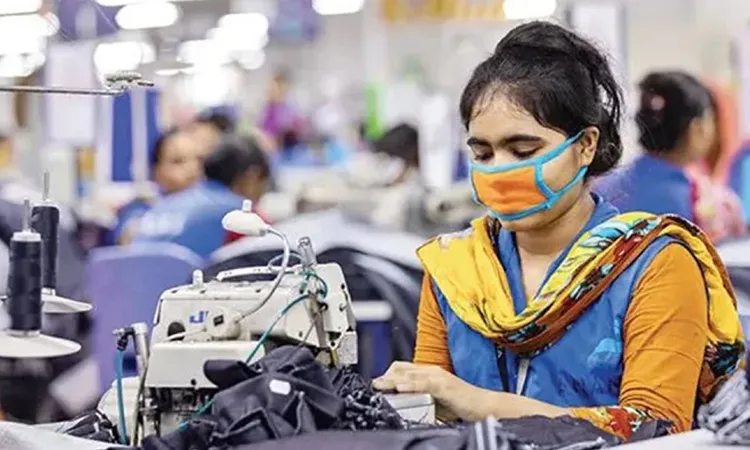
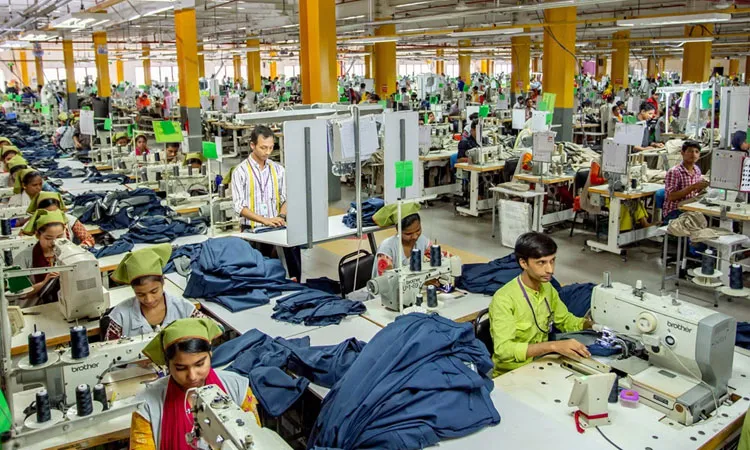
The ready-made garment sector, the country’s main export industry, is also facing difficulties. More than 400 factories reportedly closed during the interim government’s tenure, and many are struggling to pay wages and festival bonuses ahead of Eid.
In a letter to Bangladesh Bank, acting president of the Bangladesh Garment Manufacturers and Exporters Association, Inamul Haq Khan, cited global economic slowdown, geopolitical tensions and tariff disputes as reasons for declining exports.
Export earnings fell by 2.43 percent in the first six months of the current fiscal year, while back-to-back letters of credit dropped by 12.9 percent in November 2025. Lower garment prices, delayed shipments and postponed orders have reduced production.
Factories also face rising costs, including wages, utilities, transport and bank interest, further shrinking production capacity.
Structural economic challenges
A report by the International Institute for Strategic Studies said Bangladesh’s economic stability depends heavily on political stability. It noted that the government faces pressure to control inflation, increase foreign exchange reserves, attract foreign investment and improve trade connectivity. The report also highlighted structural weaknesses in state-owned enterprises and the banking sector.
The Centre for Policy Dialogue identified key challenges, including weak macroeconomic stability, fragile private investment and limited fiscal space.
Economists recommended prudent fiscal policies, realistic budget planning and stronger economic management to support recovery.
Business leaders said that without reforms in governance and institutions, restoring growth and investor confidence will remain difficult.