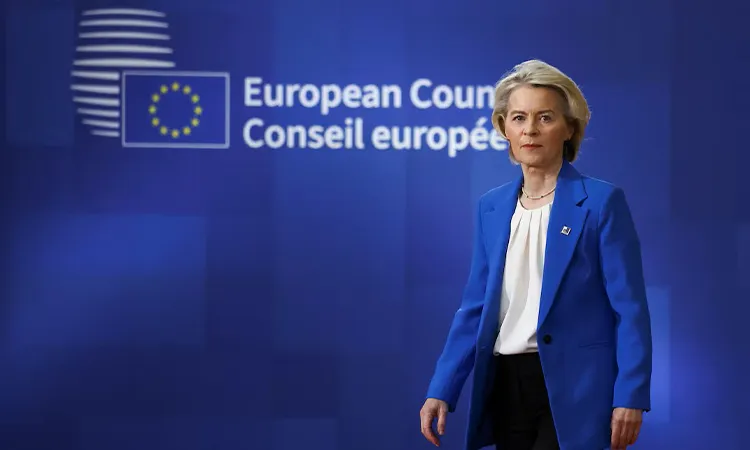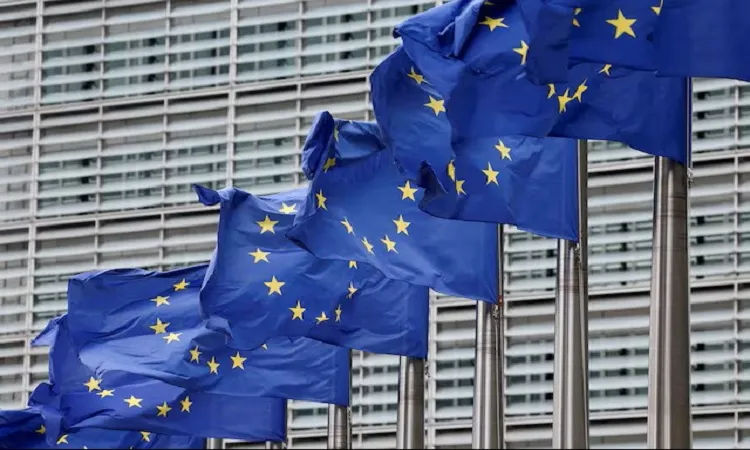
The European Union has adopted its latest round of sanctions, the 19th package, directly targeting key individuals and entities involved in facilitating the export of Russian crude oil and supporting Moscow's "shadow fleet" of vessels. The goal is to undermine the oil revenues funding Russia’s war efforts in Ukraine.
Murtaza Lakhani: CEO of trading company Mercantile & Maritime. The EU listing accuses the Canadian-Pakistani trader of enabling the shipment and export of Russian oil, notably from the state-owned oil company Rosneft. Lakhani has a long history of working with Rosneft CEO Igor Sechin, including investing in Rosneft's Arctic project, Vostok Oil.
Etibar Eyyub: Targeted along with Anar Madatli and Talat Safarov due to their ties to the trading firm Coral Energy, now renamed 2Rivers Group. Coral Energy was a major Russian oil trader. Although 2Rivers Group claims it largely stopped Russian oil trading in 2023, the EU proceeded with sanctions.
Valery Kildiyarov: A director of sanctioned Lukoil trading subsidiary Litasco Middle East DMCC.
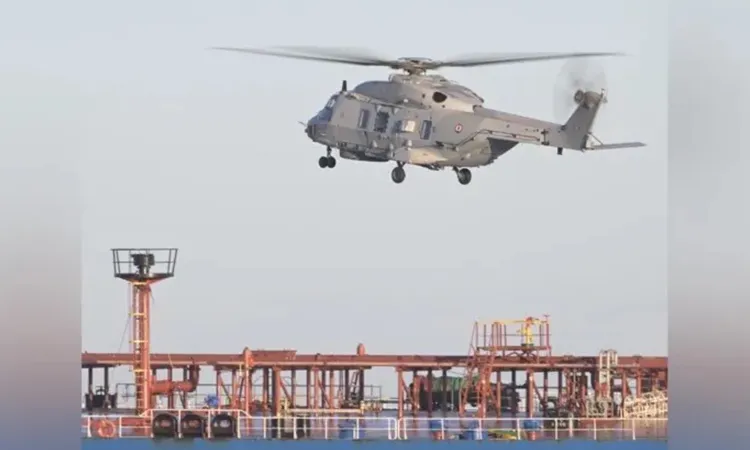
Nine individuals and entities supporting the shadow fleet were targeted in total, including businessmen linked to Rosneft and Lukoil, as well as shipping companies that own and manage the tankers.
The measures prohibit EU citizens from doing business with the listed individuals and companies, thereby reducing their access to crucial Western shipping and insurance providers. The EU is expected to list more than 40 additional ships in Russia's shadow fleet this week, which would bring the estimated total of sanctioned vessels to about 600.
The overarching aim is to combat Russia's use of a "shadow fleet" to circumvent previous Western maritime sanctions, allowing Moscow to continue selling millions of barrels of crude oil to customers, primarily in India and China, albeit at discounted prices.
Russia's Permanent Mission to the EU criticized the new sanctions, stating they would be ineffective and only harm European citizens. They argued that the repetition of failed measures shows the original strategy is fundamentally flawed and will amplify "growing socio-economic problems" within the bloc.