- National
- Bangladesh
- Business
- International
- Sports
- Entertainment
- Politics
- Technology
- Life Style
- Religion
- Opinion
- FIFA World Cup 2026
Thursday, 27 August 2026


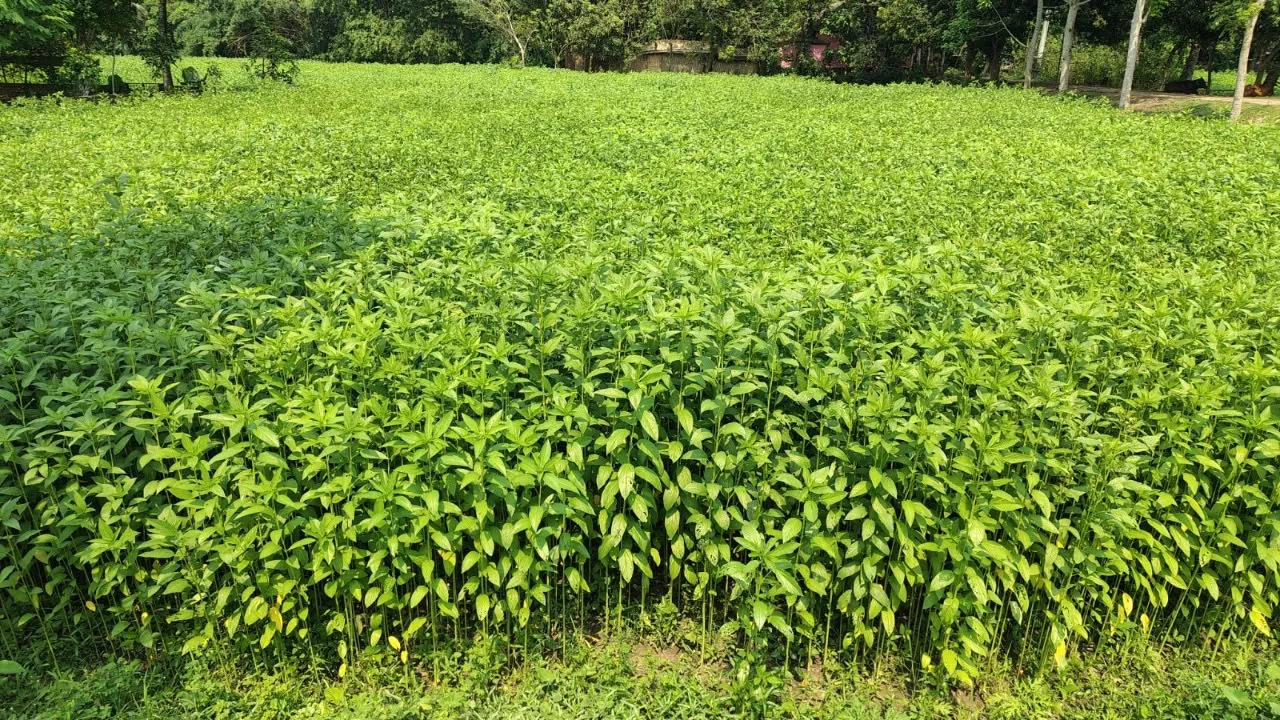
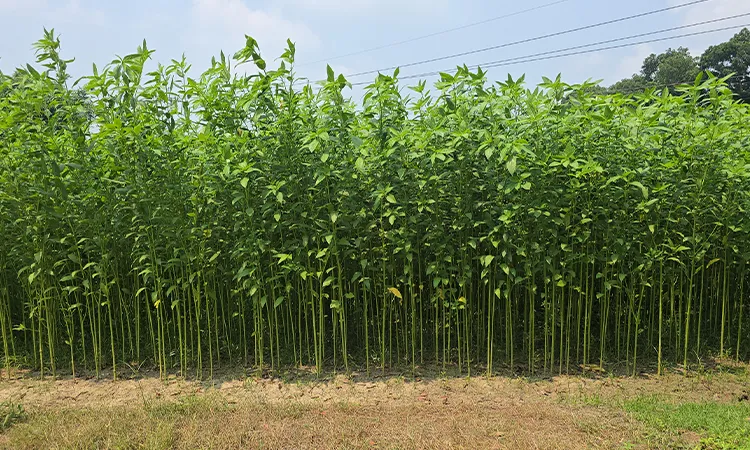
Faridpur’s jute recently recognized as Bangladesh's 60th Geographical Indication (GI) product is poised to reclaim its historic glory. However agricultural experts warn that realizing this "golden era" requires urgent inter-agency coordination in seed distribution and better production support for farmers.
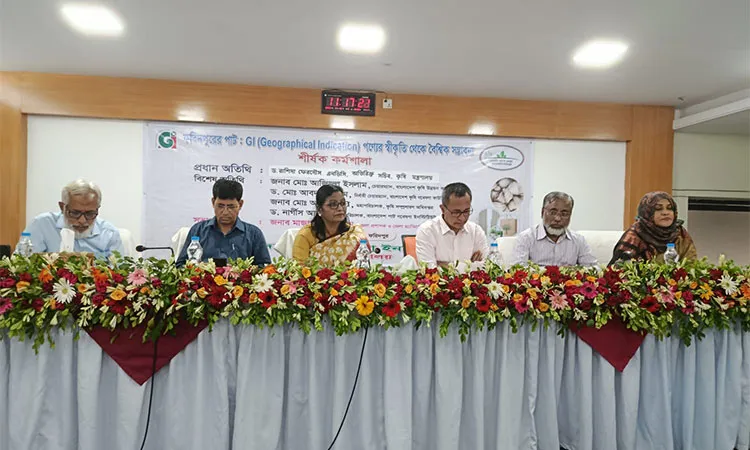
These insights were shared at a day-long workshop on the global potential of Faridpur’s jute organized by the Bangladesh Jute Research Institute (BJRI) at the BRAC Learning Center in Faridpur on Friday.

Highlighting the district's branding slogan, "Sonali Ashe Bhorpur, Bhalobashi Faridpur" (Full of Golden Fiber, Love Faridpur) speakers emphasized that GI recognition will boost international branding, expand export markets and ensure fair prices for local farmers.
Despite the optimism, researchers raised alarms over severe seed shortages particularly for the high-yielding BJRI Tosha Jute-9, locally known as "Sabuj Sona" (Green Gold). Dr. Md. Golam Mostafa, one of the variety's inventors, noted that Sabuj Sona is highly drought-tolerant and yields up to 3.5 tons per hectare in 120 days—an unprecedented output.

However, a lack of administrative coordination threatens its survival. While the Department of Agricultural Extension (DAE) and BJRI heavily promote Sabuj Sona the Bangladesh Agricultural Development Corporation (BADC) continues to supply the imported Indian GRO-524 variety.
BJRI Director General Dr. Nargis Akhter openly criticized this mismatch stating that BADC took only 67 kg of Sabuj Sona seeds this year instead of the targeted 350 kg. "BADC must consult with concerned departments. If they only prioritize business and fail to distribute superior local varieties, the farmers will suffer" she cautioned.
Shahaduzzaman, Deputy Director of the DAE in Faridpur, explained the root of the seed shortage: Sabuj Sona seeds must be produced during the winter Rabi season, a time farmers prefer cultivating other profitable crops. He urged the government to provide targeted incentives for jute seed production to prevent the prized variety from disappearing.
Quality control was another major talking point. Jute entrepreneur Mashfika Zaman stressed that global branding requires premium fiber quality which is heavily dependent on having adequate flowing water to ret (soak) the harvested jute.
Addressing the event as the chief guest, Dr. Rashida Ferdous, Additional Secretary of the Ministry of Agriculture urged Faridpur's farmers to take the lead in domestic jute seed production to honor their new GI status. She echoed the need for unified efforts among government agencies to support growers.
Chaired by Faridpur Deputy Commissioner Mazharul Islam, the workshop concluded with a call for eco-friendly innovations—such as jute-based paper straws and mandatory institutional use of jute bags—to secure the future of the nation's golden fiber.