The Barapukuria coal mine in Dinajpur long celebrated as the country's only profitable coal mine is currently teetering on the edge of a multifaceted crisis. Misaligned policies, pricing disparities, and a massive stockpile surplus are threatening to turn this national asset into a loss-making enterprise.
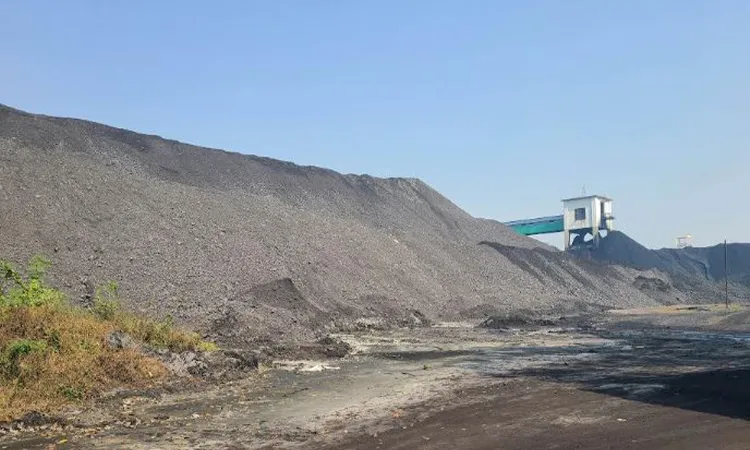
A visit to the site reveals a perilous situation: the coal yard is holding nearly 600,000 tons of coal, nearly triple its 220,000-ton capacity. While coal is typically stacked 5 to 7 feet high, piles have now reached 50 feet. This overcrowding has triggered spontaneous combustion fires and risks a structural collapse of the boundary walls and nearby roads.
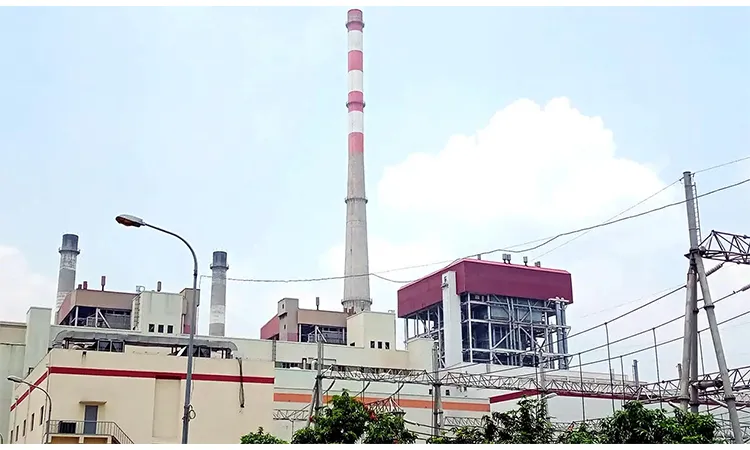
The surplus is largely due to the Barapukuria Thermal Power Plant operating at minimal capacity. With two of its three units currently shut down for repairs, the plant cannot consume the mine's output.
Despite the high demand for coal in the domestic industrial sector, current policies restrict Barapukuria to selling exclusively to the Power Development Board (PDB). This has created a bizarre economic paradox Production Cost $176 per ton. PDB Purchase Price $136 per ton. International Market Price Over $200 per ton.
By being forced to sell below cost, the mine is absorbing a $40 loss per ton. Meanwhile, the country continues to spend valuable foreign currency to import lower-quality coal for other industries.
Transparency concerns have also emerged regarding the mine’s Board of Directors, which includes officials from the power department. Stakeholders argue that since the buyer is also the price-setter, the mine is being denied a fair market rate.
"If the buyer sets the price, how can the seller remain solvent?" one official questioned, suggesting the mine is being "weakened" to mask the power plant's operational failures.
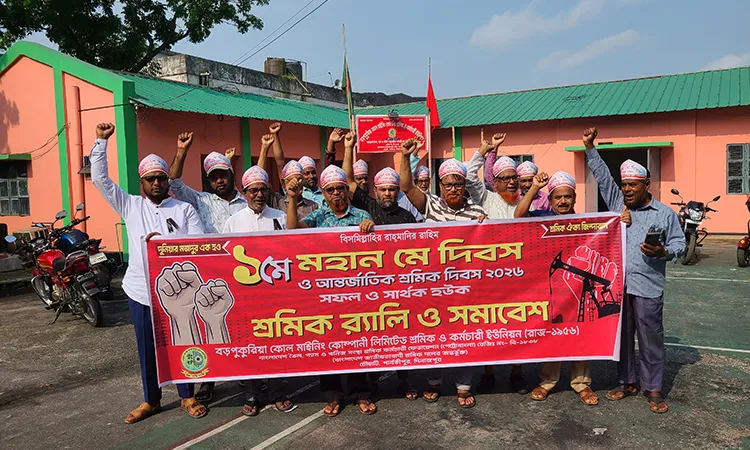
Since commercial production began in 2005, Barapukuria has contributed approximately 5,500 crore taka to the state treasury in VAT and royalties. If the mine is allowed to fail, the livelihoods of 20,000 to 25,000 families in the northern region will be at risk.
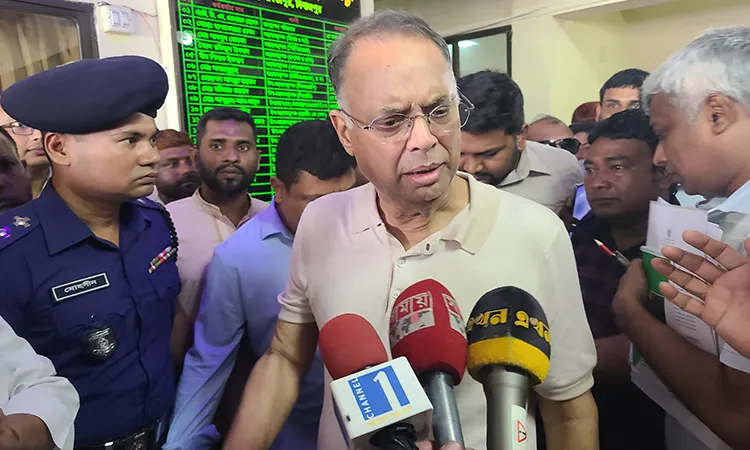
Managing Director Engineer Md. Shah Alam stated the crisis stems from the power plant’s inability to accept coal and called for urgent government intervention. Conversely, Chief Engineer Abu Bakkar Siddique of the thermal plant attributed the low intake to mechanical faults in two power units.
Market Liberalization Allowing coal sales to the domestic industrial market. Price Adjustment Aligning PDB purchase rates with production costs or international benchmarks.
Governance Reform Removing buyers from the mine's board to eliminate conflicts of interest.