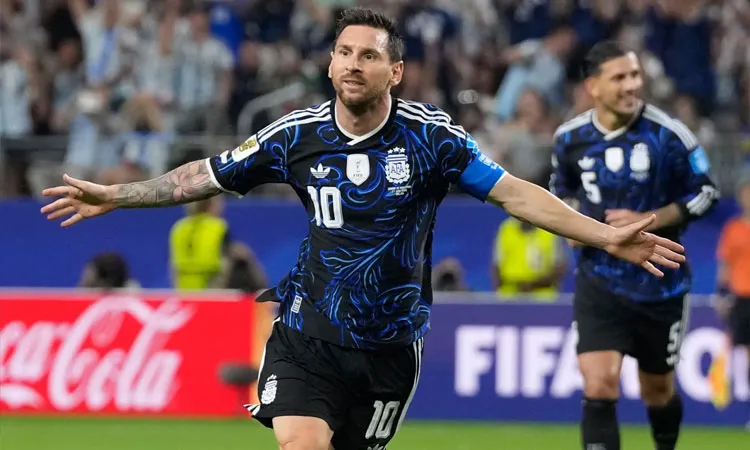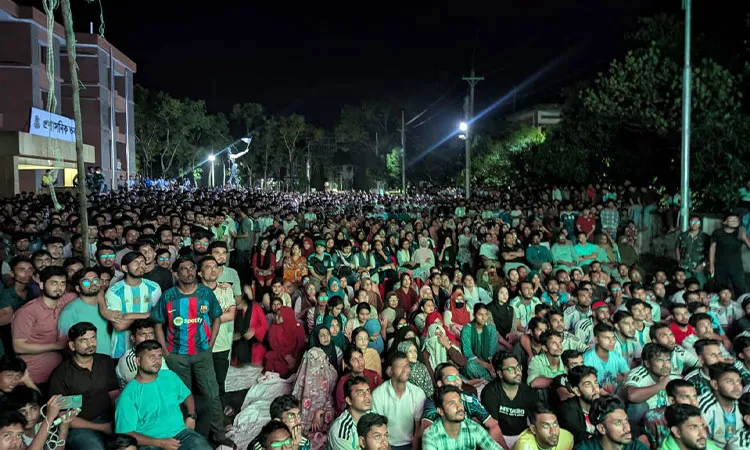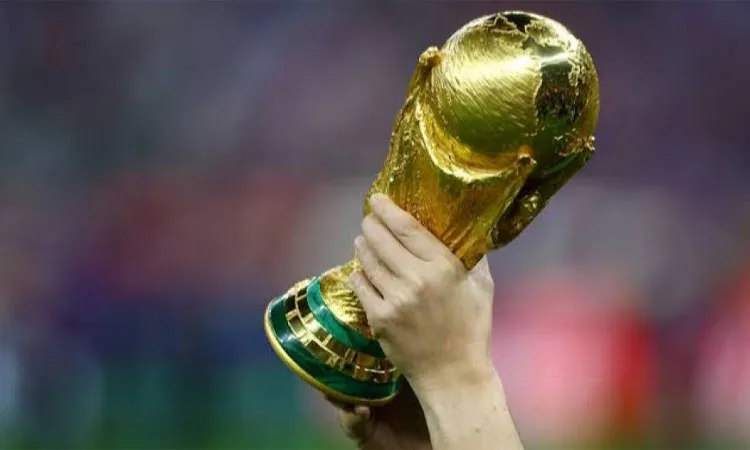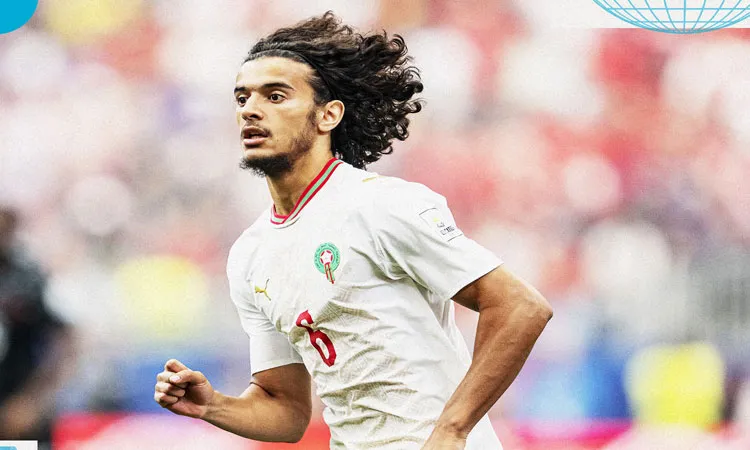
When Ayyoub Bouaddi steps onto the pitch in Boston for Thursday’s World Cup quarter-final, he will proudly wear a Morocco shirt. Just over three months ago, the Lille midfielder was captaining France’s Under-21 side. Bouaddi’s swift transition highlights a massive global football trend: France’s immense talent pool is fueling national teams worldwide.
Morocco is a primary beneficiary of this surplus. Their highly diverse squad features 19 foreign-born players, including six born in France. Thanks to world-class training facilities and a deep diaspora, Morocco successfully attracts top dual-heritage talent like Bouaddi and Neil El Aynaoui. French officials acknowledge the loss of such players but respect their choices, citing the overwhelming volume of talent developed in France's hyper-competitive academies.

However, this diversity remains a political flashpoint. The French national team has recently faced severe racist attacks, including a derogatory chant by Argentine players and offensive remarks from a Paraguayan senator aimed at captain Kylian Mbappé. The French Football Federation, alongside human rights groups, has strongly condemned these statements, maintaining that the team proudly represents the French population.
As France prepares to face Morocco, the quarter-final clash underscores a powerful reality: France's multiculturalism is its greatest footballing asset, creating a surplus of talent that now strengthens competitors across the globe.