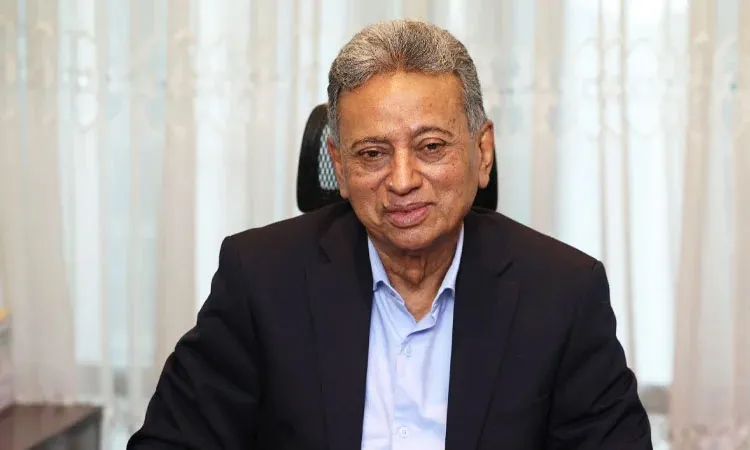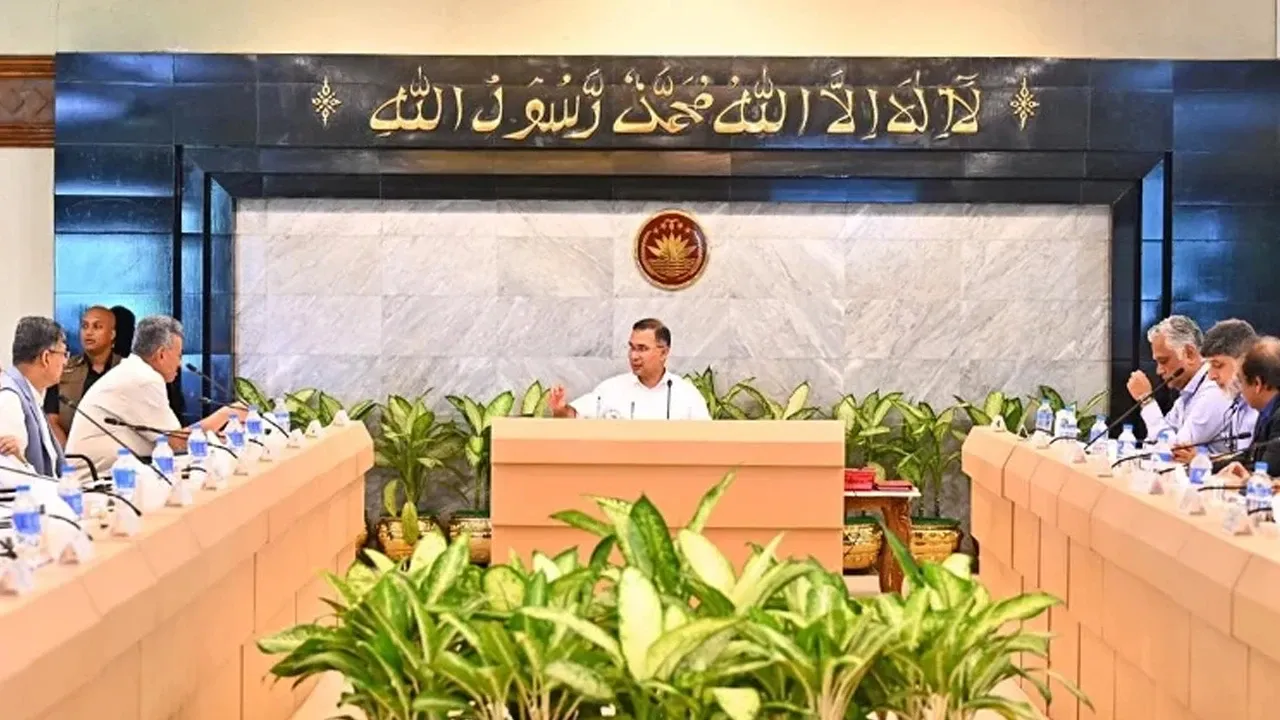
Finance and Planning Minister Amir Khosru Mahmud Chowdhury will present a record Tk 9,38,000 crore national budget for fiscal year 2026-27 in the National Parliament today. This marks the first budget of the BNP-led government following its victory in the February 12 elections.
Formulated under the theme “Economic Democratization and Deregulation: Bangladesh’s Journey Towards a Trillion-Dollar Economy,” the fiscal plan shifts priorities away from traditional heavy infrastructure, focusing instead on human resource development and economic stability.
Key Targets & Revenue Structural Breakdown
The primary economic goals focus heavily on stabilizing living costs while sustaining stable domestic production.
GDP Growth Target: 6.5% (Total projected GDP size at Tk 68,30,000 crore)
Inflation Target: 7.5%
Total Revenue Target: Tk 6,95,000 crore
Overall Budget Deficit: Tk 2,43,000 to Tk 2,51,000 crore (3.6% of GDP)
To bridge the fiscal deficit, the government plans to secure Tk 1.16 trillion in foreign aid and loans alongside domestic borrowing. This includes pulling Tk 1.12 to Tk 1.20 trillion directly from the commercial banking sector. Social Security & Health Overhaul: Tk 1.45 Lakh Crore Allocation
The budget significantly expands the social safety net by raising the total allocation to Tk 1,45,000 crore, a substantial increase from last fiscal year's Tk 1,16,731 crore. Eight brand-new welfare programs are making their debut this year:
Family Cards: 41 lakh citizens will receive family cards following a successful pilot phase.
Farmer Cards: 42.5 lakh farmers will receive a card granting an annual cash stipend of Tk 2,500.
July Coup Welfare: Monthly honorariums will be introduced for the families of martyrs and those injured during the July uprising.
E-Health Scheme: A new e-health card program will rollout to serve 2.5 million citizens.
Worker Safety Nets: Unemployed workers will receive a temporary safety allowance of Tk 5,000 per month for up to three months (capping at 15,000 initial beneficiaries).
Religious Institutions Support: A specialized honorarium scheme will support 2,55,666 employees working across mosques and other places of worship.
Additional Schemes: Unified policy enforcement for 15 lakh Vulnerable Group Feeding (VGF) beneficiaries, a canal excavation initiative, and a development-linked tree plantation drive.
Public Servants: A partial rollout of a brand-new salary structure for government employees will be formally initiated.
Tax Reforms & Relief on Consumer Goods
To bolster individual purchasing power, the government is introducing a progressive tax structure targeting a gradual rise of the tax-free income threshold to Tk 4.5 lakh by FY2030-31.
While existing corporate tax rates remain unchanged to provide market predictability, compliance processes are being simplified through automated online tax filing. Critical Domestic Industry Exemptions
Essential Goods: Source tax on 60 everyday commodities—including rice, paddy, wheat, potatoes, fish, onions, sugar, and edible oils—is dropped heavily from previous rates (ranging up to 5%) down to a uniform 0.5%.
Green Mass Transit: To incentivize eco-friendly transit networks, the 5% source tax on the import of electric buses, trucks, and charging infrastructure has been entirely withdrawn.
Tech & Electronics: Import advance taxes on raw materials for domestic mobile phone manufacturing are slashed. Long-term tax concession support is extended to consumer electronics and eco-friendly battery manufacturing plants.
Youth & SMEs: Income from digital content creation is fully exempted from tax. Additionally, tax exemptions are introduced for small-and-medium enterprises (SMEs) with annual turnovers up to Tk 50 lakh, extending to Tk 70 lakh for setups run by women and entrepreneurs with disabilities.