The government is preparing to launch an integrated digital networking system called ‘Family Tree’ to bring greater transparency and efficiency to social security programmes for marginalized communities.
Under the proposed system, all social protection programmes run by different ministries will be connected to a single digital platform. This aims to stop duplicate benefits for the same person or family and ensure support reaches genuine beneficiaries.
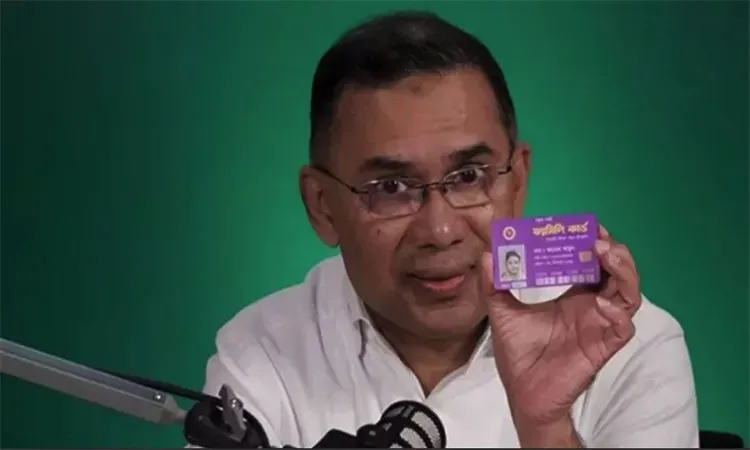
The proposed platform, named ‘Family Tree’, will create a national family database. Beneficiaries will eventually receive social protection services through a single card linked with a QR code.
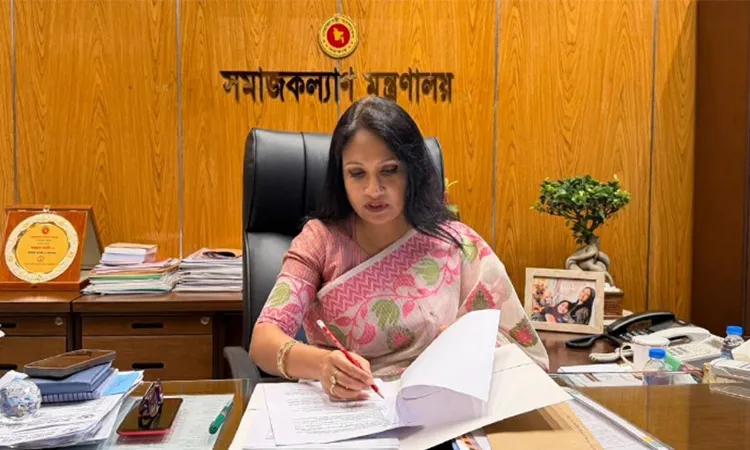
In an interview with state-run news agency BSS at the Secretariat, State Minister for Social Welfare Farzana Sharmin shared details of the plan and discussed progress of the government’s ‘Family Card’ programme.
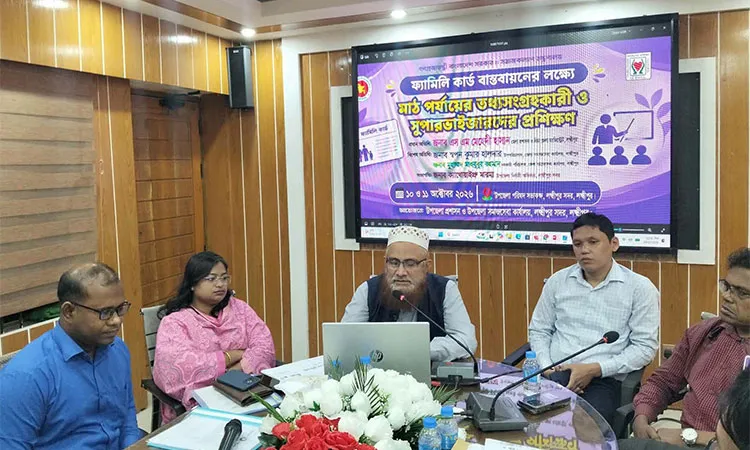
She said the government is implementing the programme in phases. According to the minister, piloting of the Family Card project is expected to be completed by next June.
“Piloting helps identify field-level problems and fix them permanently before nationwide expansion,” she said.
The minister said beneficiaries have responded positively to the programme. She added that people in neighbouring wards and upazilas are also demanding inclusion in the scheme.
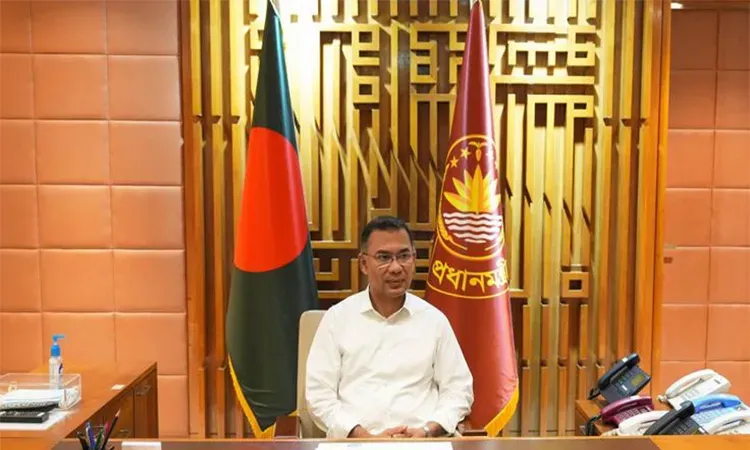
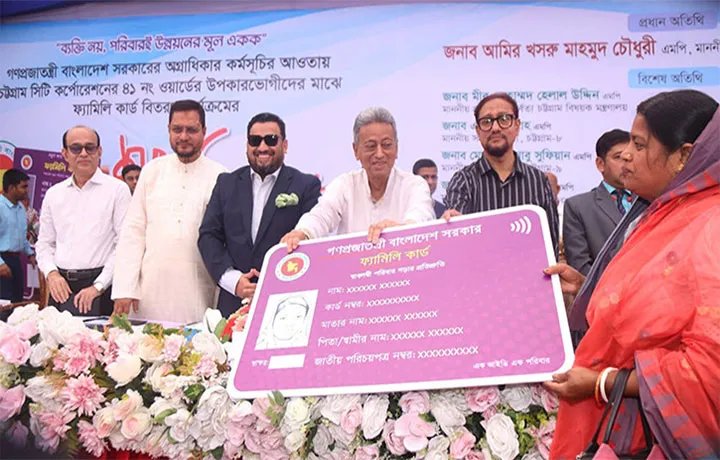
According to the ministry, the Prime Minister inaugurated the second phase of the programme in Chandpur on May 16, where the card was introduced in 20 additional wards.
Farzana Sharmin said the third phase will begin next June in 18 more upazilas. Beneficiaries will be selected at the field level before cards are distributed.
The government also plans to introduce a broader “social card” system similar to models used in Europe and the United States, she said.
Under the proposed ‘Family Tree’ system, all state benefits received by a family will be linked under one digital identity connected to the national ID database. This would prevent a person from receiving multiple allowances simultaneously, while allowing other eligible family members to continue receiving separate benefits such as disability support.
The monthly allowance under the Family Card programme is Tk 2,500. However, individuals already receiving old-age or widow allowances of Tk 500 or Tk 1,000 would need to surrender those benefits if they choose to enroll in the new programme.
The minister said the government also plans to integrate other welfare schemes, including farmer and health cards, under a national policy framework.
“If someone in a family already receives a widow or elderly allowance, they may have to surrender the lower-value benefit to avoid duplication. But disability or farmer support received by other family members will remain active,” she said.
Farzana Sharmin said the government wants to connect all ministries under one digital network so beneficiary information can be accessed instantly through QR code scanning and linked directly to the national ID database.
She said this would help stop irregularities, including cases where allowance money is transferred to accounts other than those of actual beneficiaries.
On beneficiary selection, the minister said the government is using the Proxy Means Test (PMT) method to identify eligible families scientifically.
The PMT system evaluates indicators such as housing conditions and household assets, including televisions or refrigerators. Families scoring below 814 are considered “ultra-poor” and eligible for the programme.
The minister said the initiative is also aimed at increasing the financial independence of marginalized women by transferring support directly to rural and disadvantaged women.
She also warned against corruption and irregularities in the programme.
“Any allegation of taking money in exchange for cards is being investigated immediately. Legal action is being taken where necessary,” she said, adding that one accused individual in the northern region had recently been handed over to police.
“No middlemen will be tolerated between the government and beneficiaries. We are maintaining a zero-tolerance policy,” the minister added.